
By Waweru Wairimu
More than 700 live marine animals trafficked from Kenya have been seized in Argentina in what conservation groups and authorities describe as a major international wildlife trafficking operation targeting the global exotic aquarium trade, according to news agencies.
The animals were intercepted at Ezeiza International Airport near Buenos Aires during a joint operation involving Argentina’s Environmental Control Brigade, customs officials, agricultural health authorities, wildlife rescue organisation Fundación Temaikèn and the International Fund for Animal Welfare (IFAW).
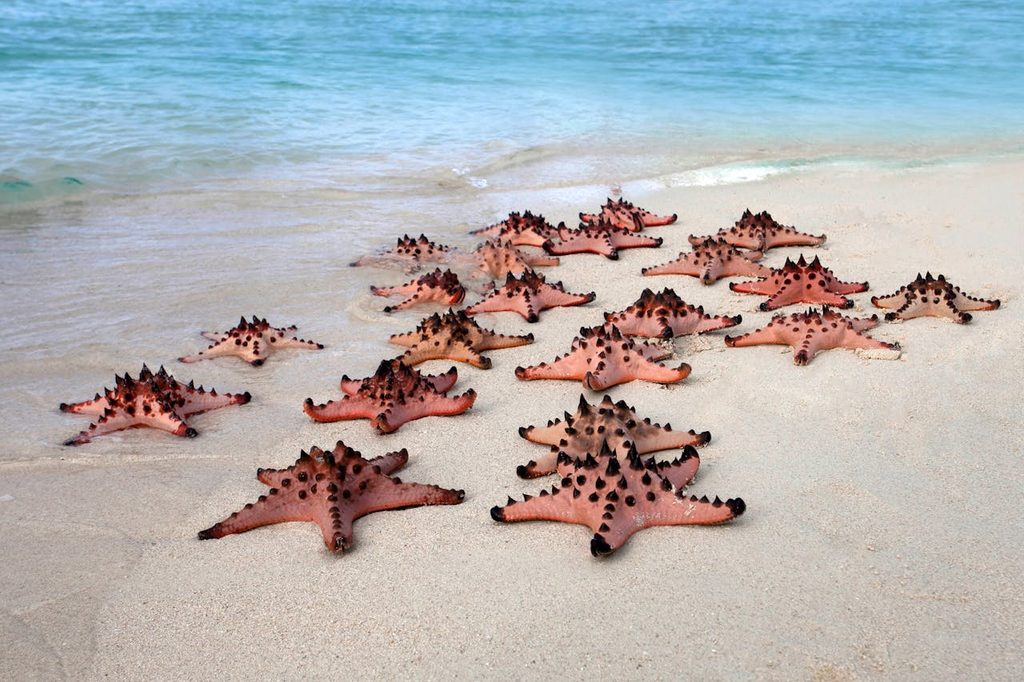
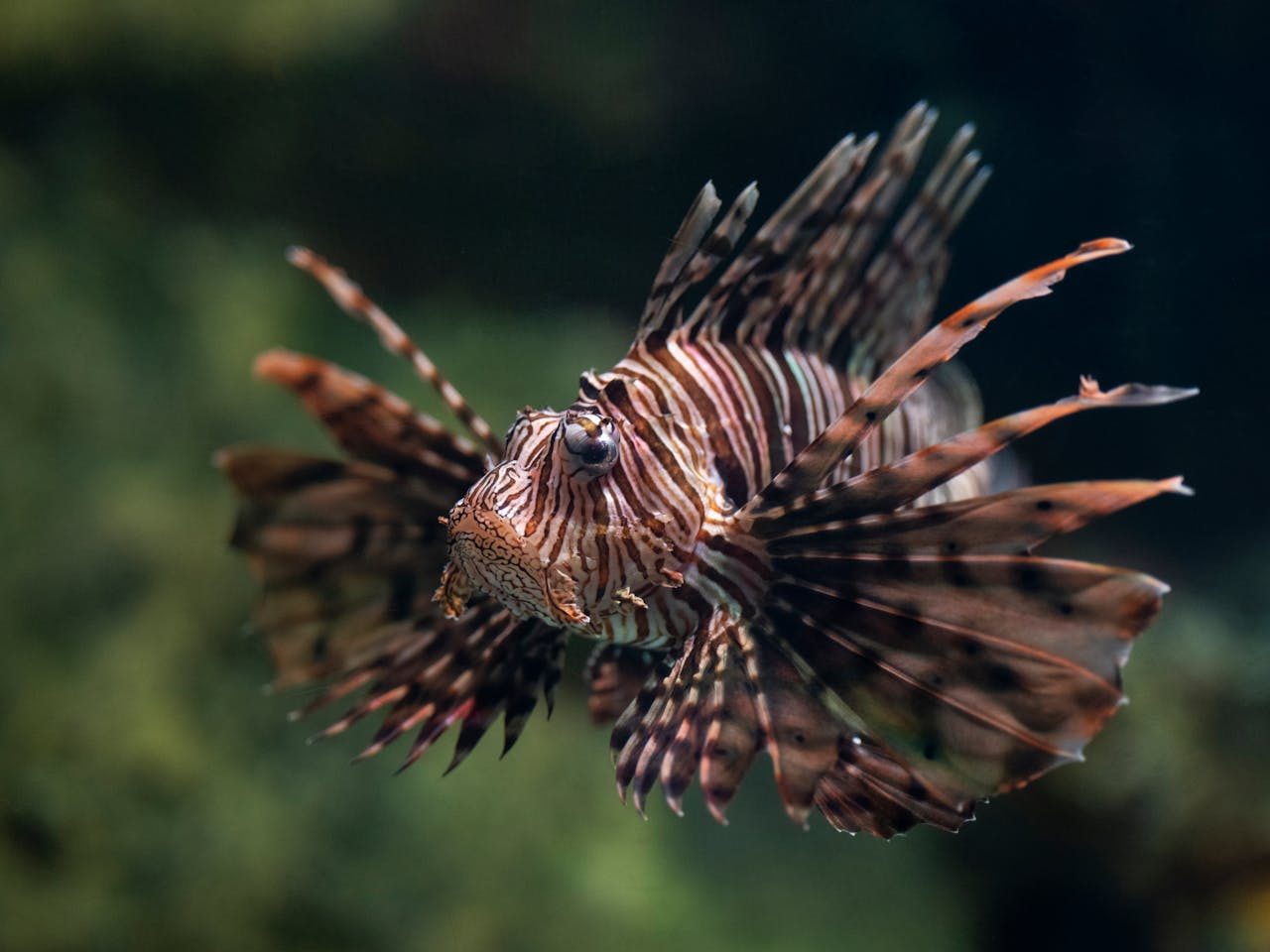
According to the reports, the shipment originated from Kenya and contained 709 live marine animals representing 102 species commonly traded for ornamental aquariums and exotic collections. The animals included surgeonfish, butterflyfish, lionfish, puffer fish, octopuses, crabs and starfish.
AP and The Washington Post reported that many of the animals arrived dead after spending nearly 120 hours in transit, while surviving specimens were found severely weakened and stressed.
Cristian Gillet, wildlife director at Fundación Temaikèn, said the rescued animals were in critical condition upon arrival: “Many of these animals were extracted from reef ecosystems and arrived at the limit of survival,” Gillet told the AP.
The Washington Post reported that veterinarians and marine specialists worked for more than 28 hours to stabilize the surviving animals, setting up emergency tanks equipped with filtration, heating and water-conditioning systems suitable for tropical marine species.
Wildlife trafficking experts warned that the growing global demand for exotic aquarium species is fuelling organised criminal networks and threatening fragile reef ecosystems.
Christian Plowman of IFAW described the operation as highly coordinated. “This is an industrialized crime. It requires coordination along every link of the chain,” Plowman told AP.
Plowman said the seizure was the third wildlife trafficking interception at the same Argentine entry point within a year, suggesting the existence of an established trafficking corridor.
The incident adds to growing international concern over wildlife trafficking involving live animals. A 2024 report by the United Nations Office on Drugs and Crime warned that illegal wildlife trade continues to expand globally, threatening biodiversity and fuelling organised crime networks.
Conservation groups say marine species trafficked for ornamental trade often suffer high mortality rates during capture and transport, while wild populations face mounting pressure from overexploitation and habitat degradation.