
By Cece Siago
Opposition is mounting against Kenya’s proposed nuclear power plant, which authorities are considering siting near the Lake Victoria basin, with environmental groups, residents, and policy think tanks warning of severe ecological, economic, and safety risks.
The project, spearheaded by the Nuclear Power and Energy Agency (NuPEA), is part of Kenya’s long-term plan to diversify Kenya’s energy mix by producing 2,000 megawatts of energy and cost roughly KES 500 billion to build.
However, the possible relocation of the plant from earlier coastal sites to Siaya County near Lake Victoria has triggered renewed resistance.
The project was initially earmarked for Kilifi County, on Kenya’s coast, but after residents rejected the plan, the government shifted to the new site in Siaya County.
A coalition of civil society organisations, led by Power Shift Africa (PSA), has strongly criticised the proposal, arguing that it places one of Africa’s most important freshwater ecosystems at risk.
“Lake Victoria is not a cooling tank,” Power Shift Africa said in a statement, warning that nuclear reactors require vast quantities of water for cooling and could return heated water back into the lake, disrupting aquatic ecosystems that support millions of livelihoods across Kenya, Uganda, and Tanzania.
It further warned that the project could deepen environmental vulnerability in a region already facing climate stress, overfishing, and pollution pressures.
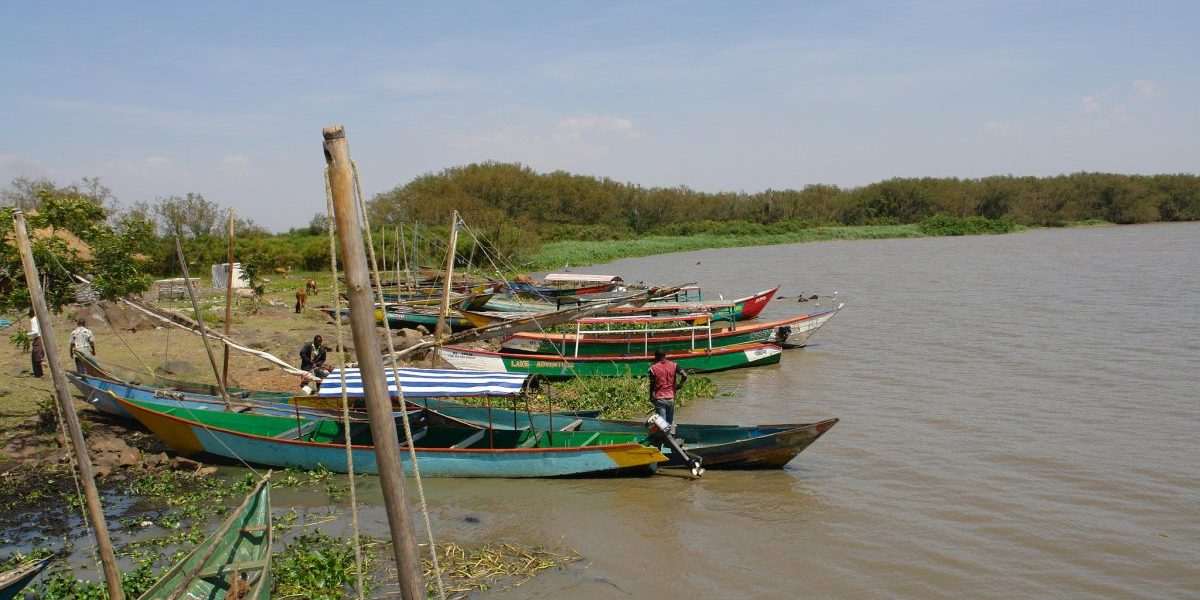
Local communities in Bondo, Siaya and surrounding areas have also voiced concern, saying they were not adequately consulted. Residents participating in recent public forums and protests have argued that the plant could threaten fishing activities, agriculture, and access to clean water.
Environmental advocates say the siting process reflects deeper governance concerns. PSA and other organisations argue that the nuclear plant decisions are being driven more by political considerations than technical or environmental suitability, raising questions about transparency in Kenya’s energy planning.
Experts opposing the project have also pointed to Kenya’s current energy profile, noting that the country already generates a significant share of its electricity from renewable sources such as geothermal, wind, and hydro. They argue that investment should instead prioritise expanding these systems and improving grid reliability.
According to PSA Director, Mohamed Adow a nuclear facility can take more than a decade to become operational. “For comparison, the 55MW solar plant in Garissa took only one year to finalize. If we really need to get this electricity to people at record speeds, then we have to look no further than renewables.”
NuPEA has defended the plant saying the project is still in the planning phase and that environmental and safety assessments will guide final site selection.
“We hear and respect the voices of the residents of Siaya. Public participation is not a mere procedural formality. It is a constitutional right and the project wouldn’t proceed without the broad informed consent of the community,” the agency said in a statement.
The statement came two days after protests from residents living near the proposed nuclear power project who voiced concerns about potential nuclear contamination and ecological risks to Africa’s largest fresh-water lake.
Critics insist that no level of mitigation can eliminate the risks associated with siting a nuclear facility on a fragile freshwater system like Lake Victoria.
Adow warned nuclear contamination in Lake Victoria would be devastating. He pointed to a 2024 report by The Council on Strategic Risks, which, he said, found that “biodiversity collapse in the Lake Victoria Basin could trigger conflict, economic instability, migration and insecurity across East Africa.”