

By David Akana
By midday, the fish still hadn’t arrived. Since 8 a.m., Alice Kazungu had been sitting at the Mida Creek landing site on Kenya’s Indian Ocean coast, waiting for fishers to return from the water. Hours later, she was still waiting.
Around her, another woman scanned the creek for signs of approaching canoes. Some fishers had already returned empty-handed. Others had not returned at all. For Kazungu, a fishmonger and vice chair of the newly formed Mida Beach Management Unit (BMU), the long wait has become part of daily life.
BMUs are the building blocks of fisheries co-management in Kenya, bringing together stakeholders in the sector, including fishers, fish sellers and traders: “There was a time when there was so much fish around here,” she says, pointing to the creek around her. “Now they, the fishers, bring back only two or three kilograms.”
For Kazungu, the dwindling catch has become a question of survival. Married and raising children, she depends almost entirely on selling fish for income. When there is no fish, she occasionally sells palm wine tapped from coconut trees. But that is not enough to replace a livelihood built around the ocean.
“When I go home, the children ask for food,” she says. “That is what worries me.”
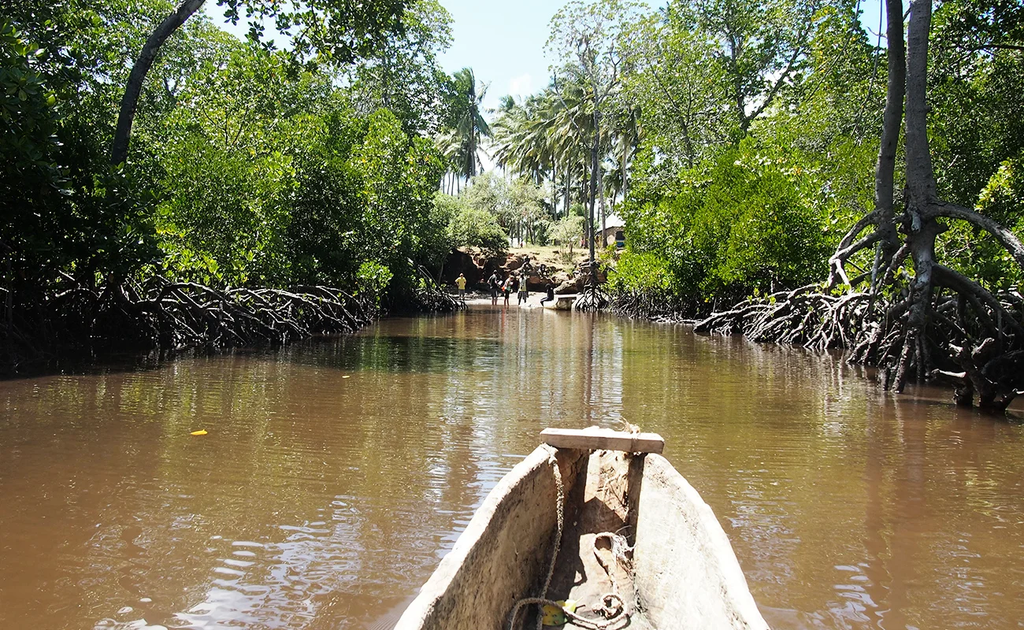
Her story echoes across Mida Creek, a sprawling network of mangroves, mudflats and tidal channels that forms part of the wider Watamu Marine National Reserve ecosystem.
For generations, the creek has provided fish, crabs, and other marine resources that sustain coastal communities. Today, however, fishers and fishmongers say they are confronting a combination of pressures, ranging from declining fish stocks, environmental degradation and changing ocean conditions to growing competition for coastal space from tourism and private investment.
A few meters away from the fishmongers sits Philip Baya, chairperson of the Dongokundu local fisher group. He has spent more than 30 years fishing these waters.
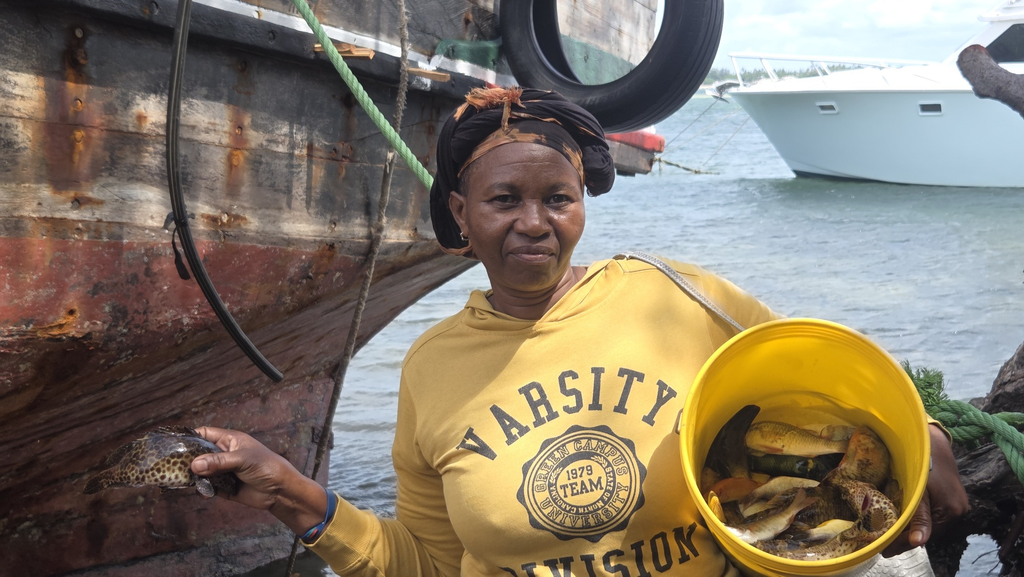
When he was young, he says, fish could be caught close to shore. Women waiting on the beach could watch fishers hauling in their catch just a little offshore. Today, boats must travel much farther into the creek or out toward the open sea.
“There were a lot of fish here. Now there are no more fish here,” Baya says.
Like many fishers, he attributes the decline partly to destructive fishing practices. Monofilament nets, illegal gear, poisoning and other methods have damaged seagrass beds and nursery habitats where fish once thrived, he says. Mangroves, too, have suffered as people dig for bait worms among their roots or clear vegetation.
“Mangroves are breeding areas for fish. When they disappear, the fish disappear too,” Baya says.
Fishers also point to changes they say they are observing in the creek itself. Several Mida community members described warmer waters and stronger tidal currents than they remember from previous decades. Some once common species have become scarce or disappeared altogether from local catches.
While local observations do not on their own establish a direct climate trend, scientists have documented warming sea surface temperatures across parts of the western Indian Ocean, one of the fastest-warming tropical ocean regions globally.
Around three decades ago, an El Niño hit the region affecting mangroves considerably. Now, another is building in the tropical Pacific and is expected to impact several coastlines, including the Western Indian Ocean.
For fishers like Shauri Pola, the changes are visible enough. Born in the area, Pola has spent most of his life on the water. He began fishing as a child and now supports five children of his own through fishing. Looking ahead, he fears the future may be even harder than the present.
“Right now, you can still see some fish. But if nothing changes, in five or ten years, you may not see even one,” he says.
The worries of Mida Creek’s fishing communities extend beyond the water. Along the shoreline, tourism businesses and private investments have expanded as Watamu has grown into one of Kenya’s most popular coastal destinations. Resorts, restaurants and recreational boating operations now share space with traditional fishing activities.
Many residents welcome tourism as an important source of jobs and income. Yet some fishers fear they are gradually losing access to areas they have relied on for generations.
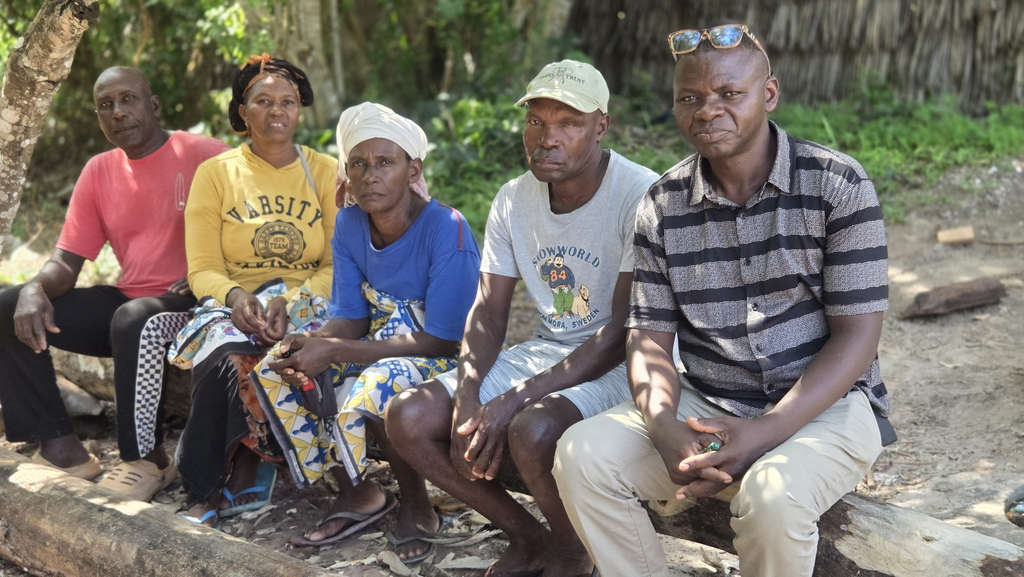
Baya says communities are increasingly concerned about proposals that could affect landing sites used to launch, repair, and store fishing vessels. Without secure access points, fishers worry they could be pushed aside by developments that prioritize tourism over traditional livelihoods.
Similar concerns are voiced by Said Bayathoya, a boat operator and fisher who has worked on the creek for more than two decades. He says development should not happen without community involvement: “This is our future. We are fishermen. This is the only way we have.”
Bayathoya also points to another source of tension: pollution. He says some tourist boats leave litter behind in the creek, adding to environmental pressures already facing the ecosystem.
Despite the challenges, Mida Creek’s fishers are not standing still. Across the creek, community groups have organized mangrove restoration campaigns, beach cleanups and awareness programs aimed at protecting the ecosystem on which their livelihoods depend.
Kazungu is among those helping plant mangroves. She says the trees provide breeding grounds for fish, reduce erosion and help stabilize the shoreline.
At the broader community level, the Mida Creek Conservation Community, an umbrella body bringing together dozens of local conservation groups, coordinates mangrove restoration and monitoring efforts. Chairperson Astley Mwanyale Kafulo says protecting mangroves is essential because they serve as nurseries for fish, crabs and other marine life.
Fishers are also advocating for temporary no-fishing zones, sometimes referred to locally as fish enclosures. The idea is simply setting aside sections of the creek where fishing is prohibited, allowing fish populations to recover and reproduce before enclosed areas are reopened.
Baya believes such protected areas could eventually benefit both fishers and tourism operators: “If we protect an area, the fish can multiply.” Other stakeholders say that government support could help reduce pressure on the creek by enabling fishers to access offshore fishing grounds instead of concentrating effort in nearshore habitats.
Republished from Mongabay: https://news.mongabay.com/2026/06/in-kenyas-mida-creek-fishers-confront-a-changing-ocean-with-hope/