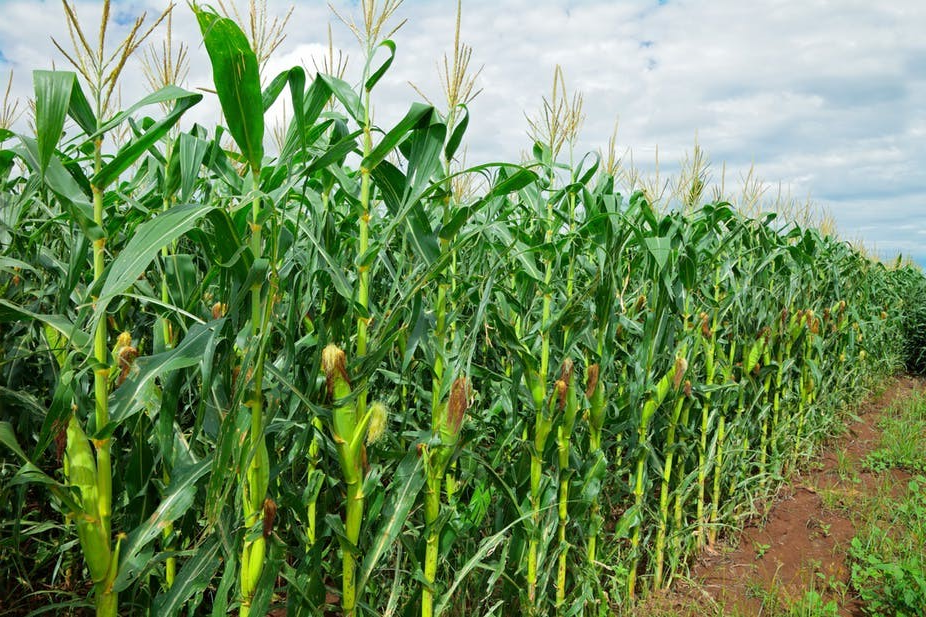

Africa needs to produce more food for its growing population, but it must do so without exhausting water supplies, clearing more forests or worsening climate change, a new report warns.
The Food Systems Countdown Report 2026 by the Food and Agricultural Organisation (FAO) says Africa is further behind global food and farming goals than any other region, and to catch up by 2030, countries would need to make unusually rapid progress in 23 areas, including access to nutritious food, clean water and more sustainable farming. At the current pace, many of those goals are unlikely to be met, the report says.
The findings place African governments in a difficult position as millions of people need more affordable and nutritious food, yet some of the quickest ways to increase production can cause lasting environmental damage.
For instance, clearing forests for farmland destroys wildlife habitats and releases gases that contribute to global warming; irrigation can drain already limited water sources, while the poor use of fertiliser and pesticides can damage soil and water.
The report says progress should therefore be measured not only by how much food farmers produce, but also by whether farming protects the land, water and natural systems needed for future harvests.
In April 2026 during the 34th FAO Regional Conference for Africa (ARC34) in Nouakchott, Mauritania, a continental assessment by FAO, the African Union Commission, the UN Economic Commission for Africa and the World Food Programme showed that Africa remains severely off-track to meet Zero Hunger goals due to conflict, climate shocks, and financing gaps
Climate shocks are adding to the pressure. The World Food Programme has warned that a strong El Niño could push another 49 million people worldwide into severe food insecurity, with Southern Africa expected to be among the hardest-hit regions.
The report also stresses that growing more food does not automatically end hunger, saying food may be available in markets but still be too expensive for poor families. Transport problems, conflict and extreme weather can also prevent food from reaching the people who need it.
Other studies have found the same gap between production and nutrition. The Africa Food Systems Report 2025 said agricultural production on the continent had grown by an average of 4.3 per cent a year since 2000, the fastest rate in the world. Despite that growth, undernutrition continued to rise.
The figures show that governments must focus not only on producing more food, but also on making healthy food affordable and accessible.
The report says that African countries must increase food production, make nutritious food more affordable, and at the same time protect the natural resources on which farming depends, adding that the choices made now will determine whether future generations inherit a food system that can withstand a changing climate.