

Pastoral communities across northern Kenya are set to benefit economically following the allocation of KES655.15 million from the sale of carbon credits.
The money, allocated through the Northern Rangelands Trust’s 2026 Carbon Community Fund, is intended to help participating conservancies address locally identified needs while protecting the vast rangelands on which people, livestock and wildlife depend.
The money comes from the Northern Kenya Rangelands Carbon Project, which seeks to increase the amount of carbon stored in soil through planned livestock grazing. When independently verified, the additional carbon is converted into credits and sold to companies seeking to compensate for part of their greenhouse-gas emissions.
The allocation, disclosed in NRT’s January-June 2026 report, gives the communities a potentially significant source of funding for priorities such as education, healthcare, water infrastructure, livelihoods and conservation.
NRT also allocated KES204.4 million for conservancy support and rangeland management during the reporting period.
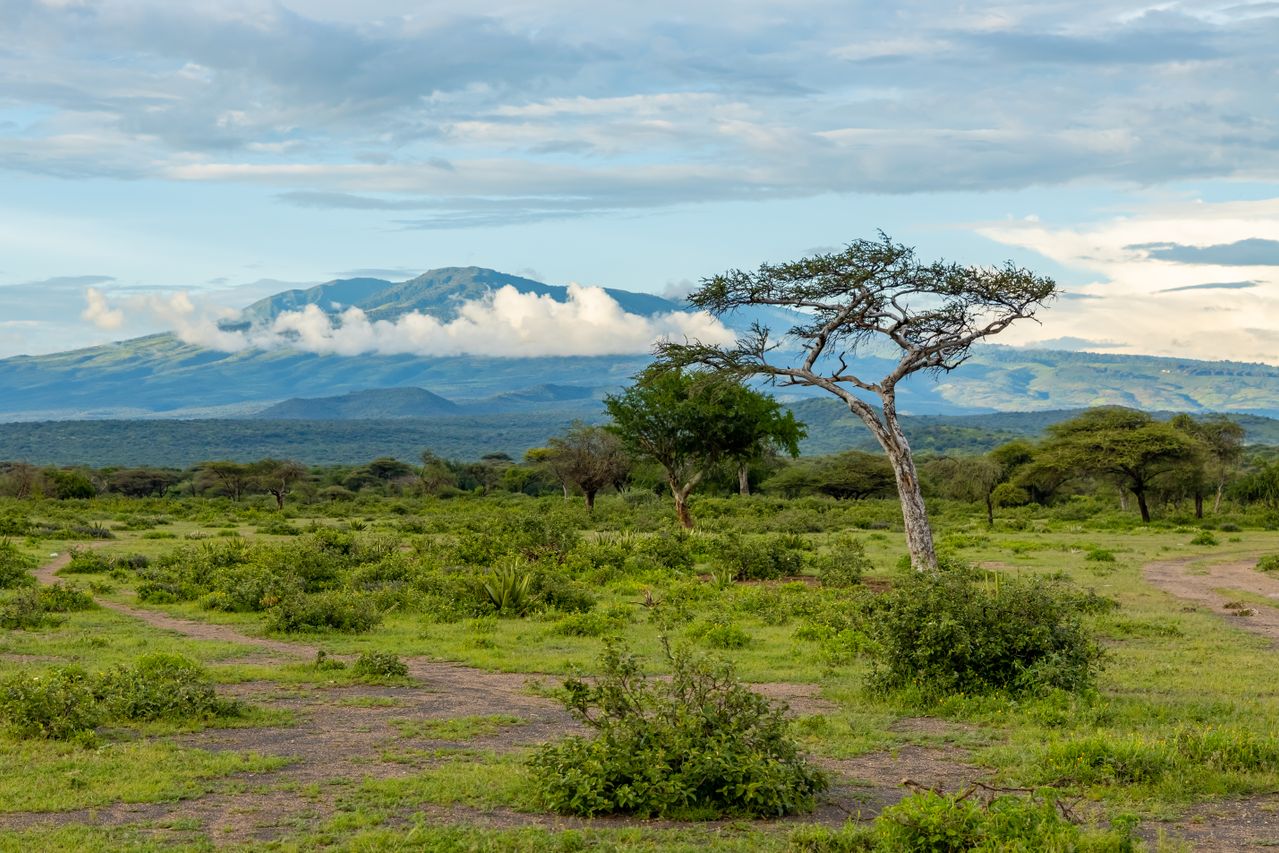
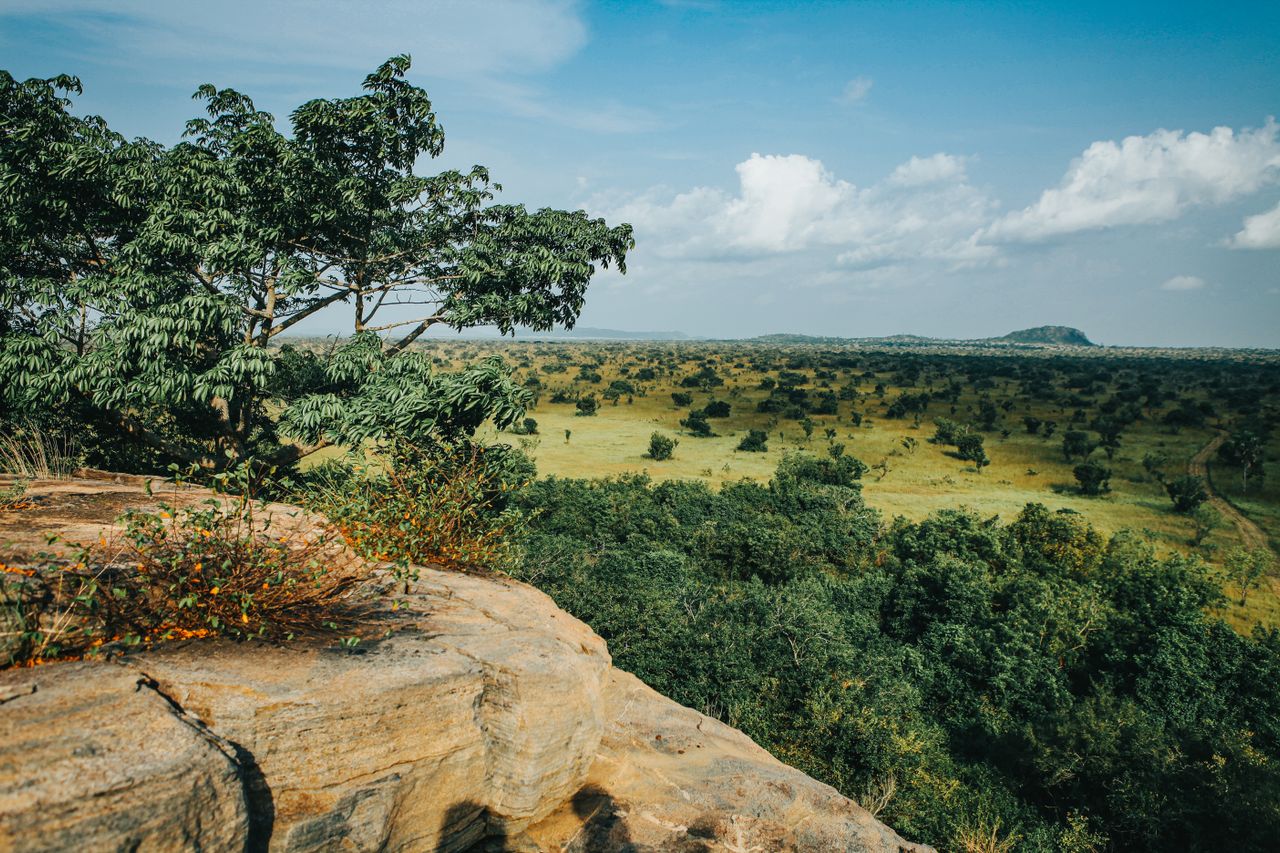
The project covers about two million hectares across 22 community conservancies. These landscapes support pastoral families and their livestock while providing habitat and migration routes for elephants, Grevy’s zebra, reticulated giraffes and other wildlife.
Its central idea is that improved grazing can help degraded rangelands recover and store additional carbon underground. Plants absorb carbon dioxide from the atmosphere as they grow. Some of that carbon enters the soil through roots and decomposing plant material, and healthy grasslands can therefore act as carbon stores.
If independent verification shows that a project has stored an additional tonne of carbon dioxide, or avoided an equivalent amount of emissions, it may generate one carbon credit, which a company can purchase to compensate for part of its emissions.
Supporters say this can give rangelands a new economic value while financing grazing management, wildlife conservation and essential services. Critics warn that credits have little climate value unless the claimed carbon gains are measurable, additional and likely to last.
The project returned to active carbon market status on June 18, 2026 after international carbon standard Verra reinstated it following a quality-control review.
Verra began the review after a January 2025 court ruling concerning the legal establishment of Biliqo Bulesa Conservancy, which lies within part of the project area. The ruling raised questions about community processes and project rights on unregistered community land.
According to Verra, the Chari Dedha Community subsequently affirmed its participation through a process conducted in accordance with Kenya’s Community Land Act.
In the case, Survival International questioned the project’s carbon calculations, grazing arrangements, boundaries, community consent and ability to retain soil carbon during increasingly severe droughts in a critical 2023 report.
NRT rejected the findings, describing them as inaccurate and poorly researched. It said communities had been consulted in local languages through a free, prior and informed consent process and maintained that the project had widespread support. NRT’s latest report says more than 300 villages and community zones participated in a consent process connected to proposed governance changes.
Consent is especially important in pastoral areas, where communities must move livestock in response to changing rainfall, pasture and water availability, and grazing plans designed to increase soil carbon could affect that mobility if they are not shaped by local knowledge and community decisions.
Kenya has also tightened the rules governing the sector. Amendments to the Climate Change Act and the Climate Change (Carbon Markets) Regulations, 2024, introduced requirements on project approval, verification, land rights, consent, environmental integrity and benefit sharing.
For land-based projects on public or community land, the regulations require an annual social contribution of at least 40 per cent of the previous year’s aggregate earnings, after the cost of doing business, for community benefit.
These rules mean carbon trading is is also about who owns the land, who approved the project, what buyers paid, which costs were deducted and who decides how community revenue is used. Greater transparency will therefore be essential and communities need accessible information showing the project’s gross carbon revenue, the price received for credits, operating costs and how their share was calculated.
Northern Kenya is consequently testing whether an international carbon market can accurately value carbon held in African rangelands while strengthening pastoral livelihoods and respecting community control over land.