

The United Nations Environment Programme (UNEP) has warned that the world is likely to cross 1.5°C global warming threshold within the next few years, exposing people, economies and ecosystems to increasingly severe climate risks.
However, UNEP says it is still possible to limit the extent of the temperature overshoot and eventually bring global warming back below 1.5°C if countries speed up cuts in greenhouse gas emissions.
The warning is contained in UNEP’s new Limiting Overshoot report, which identifies an “overshoot, peak and decline” approach as the best remaining option for limiting how high global temperatures rise and how long they remain above the 1.5°C target under the Paris Agreement.
The most optimistic scenario would see global temperatures peak at 1.8°C above pre-industrial levels, while other scenarios project warming of more than 2°C.
UNEP says every additional fraction of a degree above 1.5°C would increase climate risks, while prolonged periods of higher temperatures would raise the likelihood of triggering irreversible changes in the climate system.
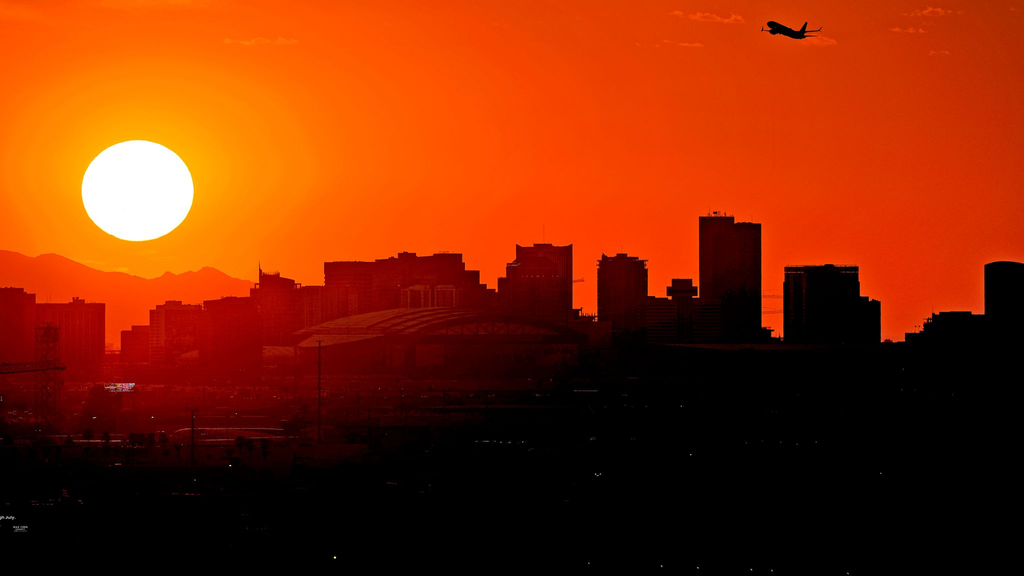
“This summer’s scorching heat, raging wildfires and deadly floods are a warning of what lies ahead. We must make the overshoot above 1.5 degrees as small and short as possible. That demands an overshoot of ambition,” UN Secretary-General António Guterres said.
According to the report, exceeding 1.5°C would intensify extreme weather events, ecosystem loss and threats to food and water security.
Human health, cities, infrastructure and economies would also face increasing damage, while low-lying coastal cities and Small Island Developing States would be particularly vulnerable.
The report warns that the risk of crossing irreversible climate tipping points rises as temperatures increase and remain elevated for longer.
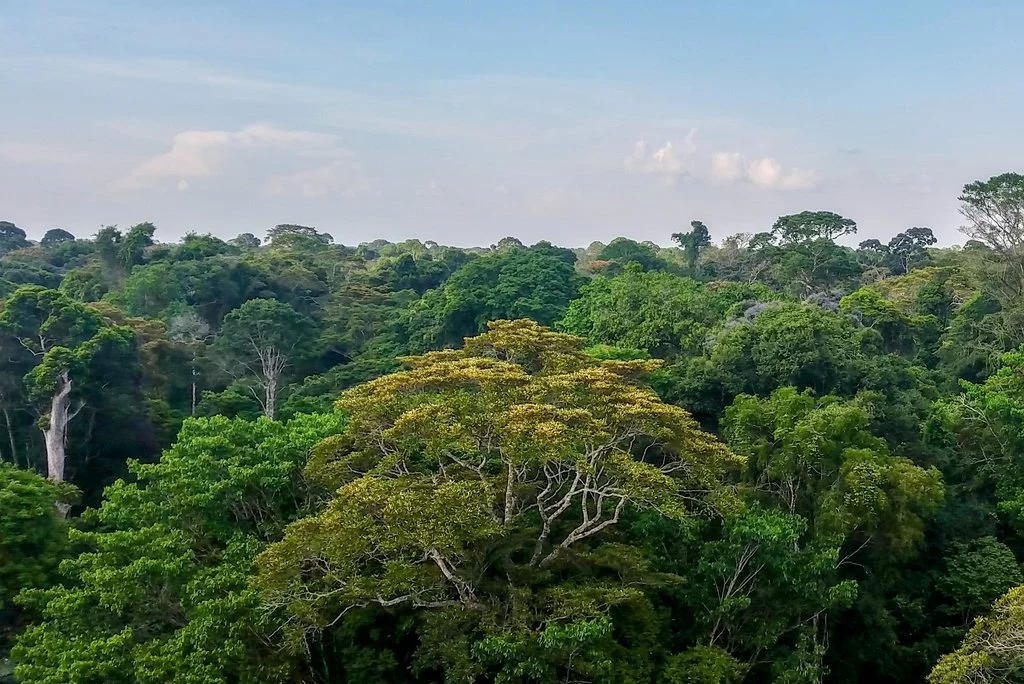
Potential tipping points include the destabilisation of major ice sheets, degradation of the Amazon rainforest and disruption of the Atlantic Meridional Overturning Circulation, a major system of ocean currents that helps regulate the global climate.
Some impacts could occur suddenly, while others would accumulate over time.
“There are no good outcomes if we remain above 1.5°C,” said Inger Andersen, Executive Director of UNEP.
“Across the globe, extreme heatwaves are already proving that climate impacts will strike faster, hit harder, and last longer, and this will cost more lives and cause deeper disruption.”
Andersen called for faster action to cut greenhouse gas emissions, strengthen climate resilience and ensure that any period of warming above 1.5°C is as small and short as possible.
UNEP says the proposed “overshoot, peak and decline” approach would require immediate and sustained reductions in greenhouse gas emissions, including methane, as countries work towards net-zero emissions.
In the longer term, temperatures could decline through net-negative emissions, supported by carefully governed carbon dioxide removal.
Carbon dioxide removal involves removing carbon dioxide from the atmosphere and storing it through approaches such as afforestation and other methods.
But UNEP stresses that carbon dioxide removal must complement and not replace deep cuts in greenhouse gas emissions.
The report says carbon dioxide removal can only credibly contribute to bringing temperatures back below 1.5°C if peak warming remains well below 2°C and residual emissions are reduced.
Strong governance frameworks will also be required to ensure carbon removal is deployed responsibly and does not undermine environmental integrity or worsen inequalities.
For African countries, the warning comes as communities continue to face the impacts of a changing climate, including droughts, floods, extreme rainfall, food insecurity and rising temperatures.
UNEP says adaptation and mitigation must advance together, with countries prioritising measures that can both reduce emissions and strengthen resilience.
Nature-based cooling, for example, can help reduce temperatures in cities while providing wider environmental benefits. However, the report warns that adaptation has limits, particularly if temperatures rise significantly above 1.5°C.
UNEP says strong political will, international cooperation, effective policies, inclusive governance and climate finance will be critical to keeping the overshoot as low and brief as possible.
It also argues that countries with greater historical responsibility for climate change should act faster and with greater ambition.
The report further warns that returning global temperatures below 1.5°C would not reverse all climate damage.
Some losses would be irreversible, while communities could be forced to relocate or change their livelihoods as environmental conditions permanently change.
This could create new challenges around climate justice, political legitimacy and governance.
“Every fraction of a degree matters, and every year spent in overshoot increases climate risks and the potential for irreversible losses,” said Murat Kurum, President-Designate of COP31.
He called for faster electrification, reductions in methane emissions, stronger climate resilience in cities and greater protection of marine and coastal ecosystems.
UNEP says the “overshoot, peak and decline” approach remains possible, but warns that immediate action is needed to keep it within reach.