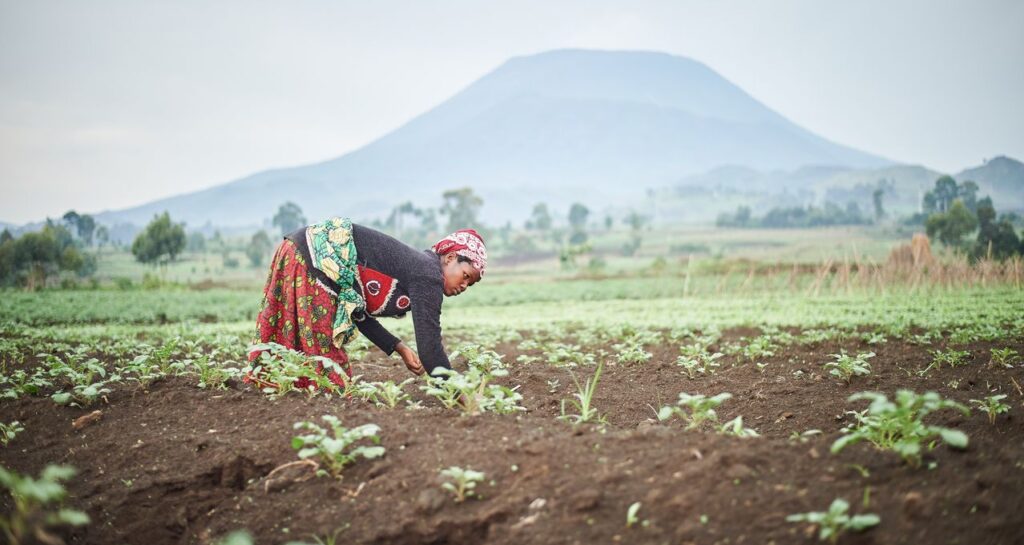

Sub-Saharan Africa’s soils are in very poor condition, according to a new global assessment from the Food and Agriculture Organization of the United Nations (FAO), a finding that puts the region’s agricultural production, rural livelihoods and food security at serious risk.
The findings appear in the “Status of the World’s Soil Resources 2026” report, released by FAO through the Global Soil Partnership (GSP) and its scientific body, the Intergovernmental Technical Panel on Soils (ITPS).
The report updates the first global soil assessment published in 2015, drawing on scientific literature from 2015 to 2025 and input from more than 300 soil experts worldwide to track how countries are managing, or failing to manage one of agriculture’s most basic resources.
The report’s regional scorecard for Sub-Saharan Africa rates the state of soil erosion, loss of soil organic carbon and nutrient mismanagement across the region as very poor, with erosion and nutrient loss both flagged as deteriorating.
Loss of soil biodiversity is rated poor and worsening as well. Only soil pollution and soil sealing, the paving-over of land by urban expansion, show comparatively better ratings, with pollution improving from a low base.
The report attributes the accelerating strain on soils worldwide to population growth, urbanization, geopolitical instability, price shocks and market volatility, compounded by climate change. Together, it says, these forces are driving up demand for food, feed, fibre and fuel, pushing land-use change, unsustainable farming and industrial expansion that erode soil health.
“Healthy soils underpin roughly 95 percent of global food production, in addition to filtering and storing water, regulating climate and sustaining biodiversity,” the report notes. “When soils degrade, the damage radiates outward undermining water cycling, nutrient cycling, climate regulation and even the physical and cultural foundations of human communities, setting back progress on multiple UN Sustainable Development Goals, including those on hunger, health, water, cities and climate.”
The report says that the world is “not moving fast enough”, with about half of all regions assessed reporting a decline in the adoption of sustainable soil management practices, while only about 10 percent show real progress.
FAO researchers say the problem is more about failure to scale up practices such as cover cropping, reduced tillage, organic amendments, residue retention, terracing, and improved fertilizer and nutrient management.
To reverse the trend, FAO and the ITPS are calling for governments and partners to take five broad categories of action: strengthening soil governance and legal frameworks; investing in education and capacity building; improving soil assessment and monitoring; creating financial and policy incentives that reward farmers and land managers for protecting soil health; and deepening partnerships among governments, scientists, farmers, Indigenous Peoples, the private sector and civil society.
“We have to remove the barriers that prevent the assessment and adoption of sustainable soil management,” said Rosa Poch, who chaired the ITPS from 2018 to 2025.
Her successor, Brajesh Singh, ITPS Chair for 2025–2028, struck a similar note of urgency. “Healthy soils are one of our greatest natural allies,” he said. “We already know how to protect them. Now is the time to put that knowledge into action.”