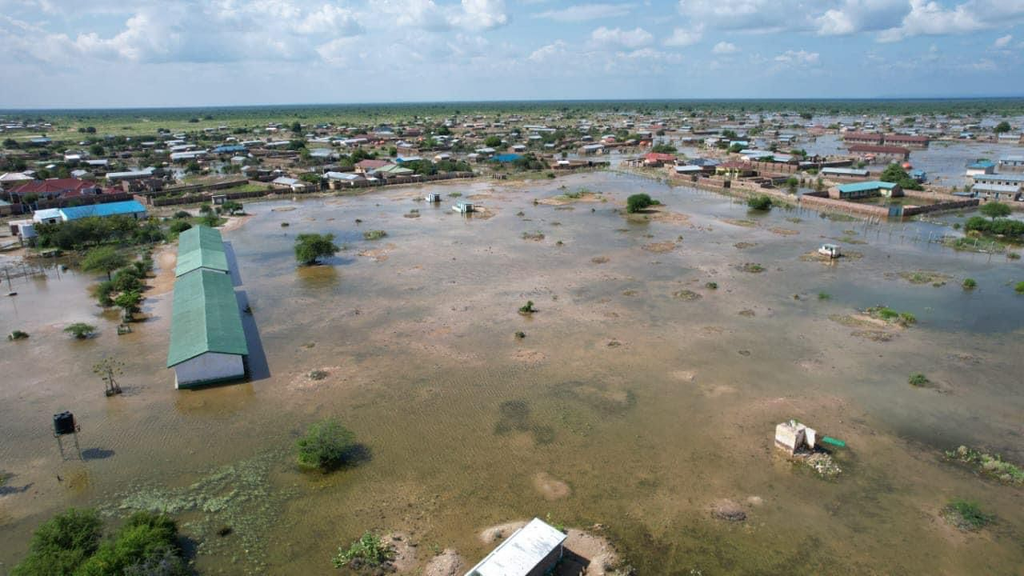

The Kenya Red Cross Society has warned that 46 of the country’s 47 counties could receive above-average rainfall in the coming months, raising the possibility of widespread flooding during the October–December short-rains season. Turkana is the only county not placed squarely in the above-average rainfall category.
Kenya Red Cross Emergency Response Manager Antony Muchiri said inadequate drainage, development along natural waterways and other existing vulnerabilities could magnify the effects of the anticipated El Niño rains.
“Forty-six out of Kenya’s 47 counties are at risk of receiving above-average rainfall. If the systems are not in place to manage it, flooding will occur,” Muchiri said on Tuesday.
He said heavy rainfall becomes a disaster when the ground cannot absorb the volume of water and natural outlets into rivers and the ocean are obstructed.
“Construction along flood paths will inevitably worsen flooding, while improper disposal of waste will block drainage systems and further increase the risk of flooding,” he said.
Muchiri said soil erosion and the accumulation of silt in rivers and drainage channels could also contribute to flooding. Although many of the country’s flood paths are already known, settlements and infrastructure have continued to encroach on some of them.
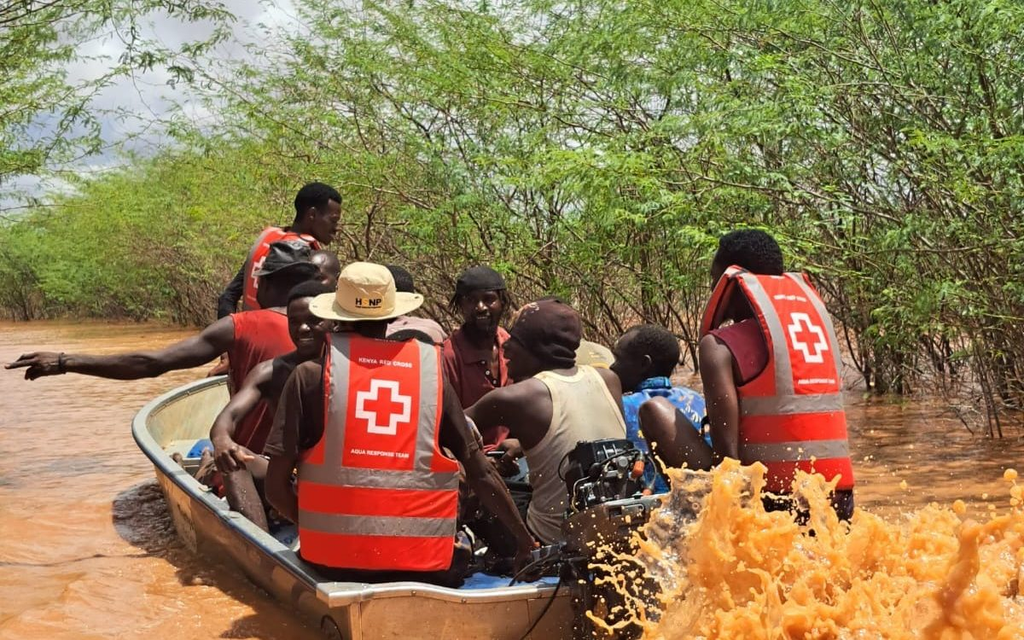
Preparations are underway across the country, according to the Red Cross. They include clearing and expanding drainage systems, issuing early warnings, sensitising communities in high-risk areas and preparing evacuation plans.
Muchiri, however, cautioned that weaknesses in Kenya’s disaster-preparedness systems could still result in deaths and extensive property damage.
“There is a lot happening behind the scenes in preparation for El Niño, but with the systems we have in place, we are still likely to suffer significant loss of lives and extensive damage,” he said.
He urged national and county authorities to use existing flood-risk information when approving settlements and infrastructure projects, noting that Kenya has often concentrated on responding to disasters instead of preventing them.
Muchiri also called for shelter materials, rescue equipment and other emergency supplies to be positioned before families are displaced.
“We need all hands on deck. It starts at the household level, then the community and ultimately the government. The buck stops with the government,” he said.
The Red Cross warning follows an official seasonal forecast issued on August 31 by the Kenya Meteorological Service Authority, which expects above-average rainfall in most of the country during the October–December season. The forecast says the rains could continue into January in western Kenya, the Rift Valley, central Kenya and parts of the southeast.
El Niño is the warm phase of a recurring climate pattern caused by changes in sea-surface temperatures and atmospheric conditions in the tropical Pacific Ocean. In East Africa, it can enhance rainfall, particularly when it occurs alongside a positive Indian Ocean Dipole, a pattern involving unusually warm waters in the western Indian Ocean relative to the eastern side.
The IGAD Climate Prediction and Applications Centre said El Niño had already developed and was expected to strengthen during the remainder of 2026. A positive Indian Ocean Dipole was also anticipated, creating conditions that have historically produced enhanced rainfall across the region.
The regional agency placed the probability of enhanced seasonal rainfall at about 90 per cent in northeastern Kenya, southern Ethiopia and central-to-southern Somalia.
The latest warning comes as Kenya continues to recover from previous destructive rainy seasons. El Niño-enhanced rainfall in late 2023 was followed by exceptionally heavy long rains in early 2024. The combined crisis affected 46 counties, according to the International Federation of Red Cross and Red Crescent Societies.
An IFRC report recorded 478 deaths, more than 240,000 affected households and over 119,000 displaced households. The rains also killed nearly 29,000 livestock, destroyed more than 65,000 acres of farmland and damaged roads, schools, health facilities and water sources.
Communities that had already endured the prolonged 2021–2023 drought were among those hit by the floods, compounding livelihood losses and slowing recovery.
In April 2024, water levels rose sharply in major rivers and reservoirs. Dams in the Seven Forks system began overflowing, worsening flooding along the lower Tana River, while settlements near Lake Victoria and the Nyando River remained inundated.
Excessive rain may cause flash floods, landslides, waterlogging and soil erosion. Crops and livestock could be lost, transport routes disrupted and schools forced to close. It could also damage water and sanitation infrastructure, increasing the danger of cholera and other waterborne illnesses. Stagnant water and warmer temperatures may create conditions favourable for malaria, Rift Valley fever, chikungunya and other diseases.
The approaching rains are expected to coincide with the school calendar, national examinations and increasing political activity ahead of the 2027 General Election, adding pressure on transport, security and emergency-response systems.