
By Seth Onyango
As Kenya’s green-energy transition gains momentum, Irene Wali is moving to ensure women are not left behind.
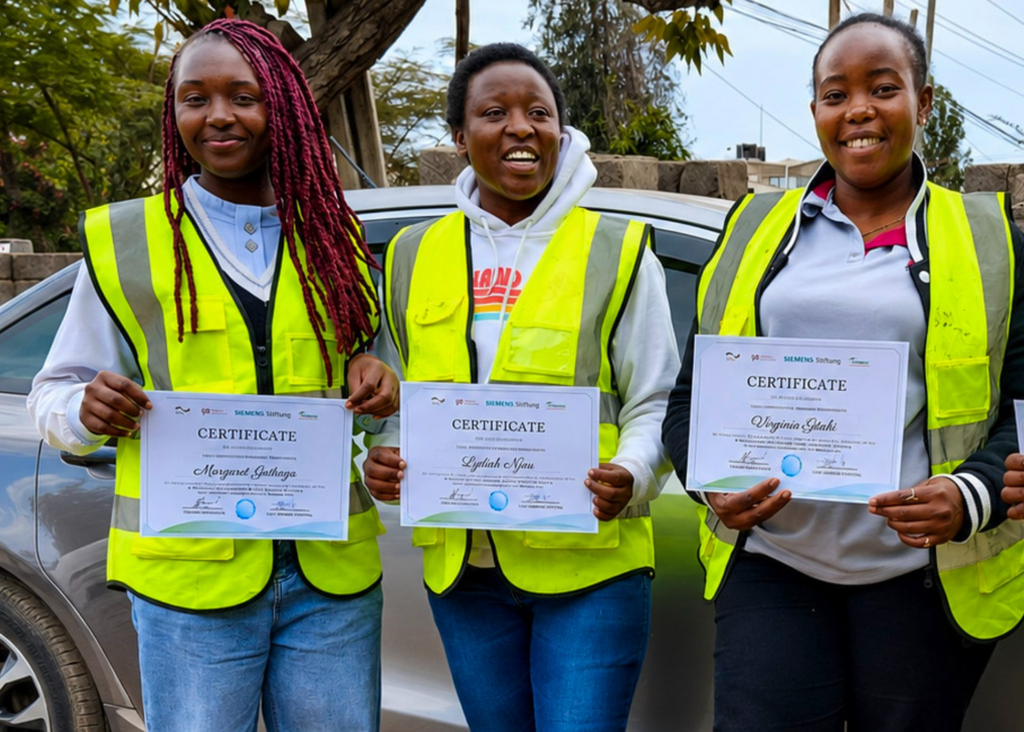
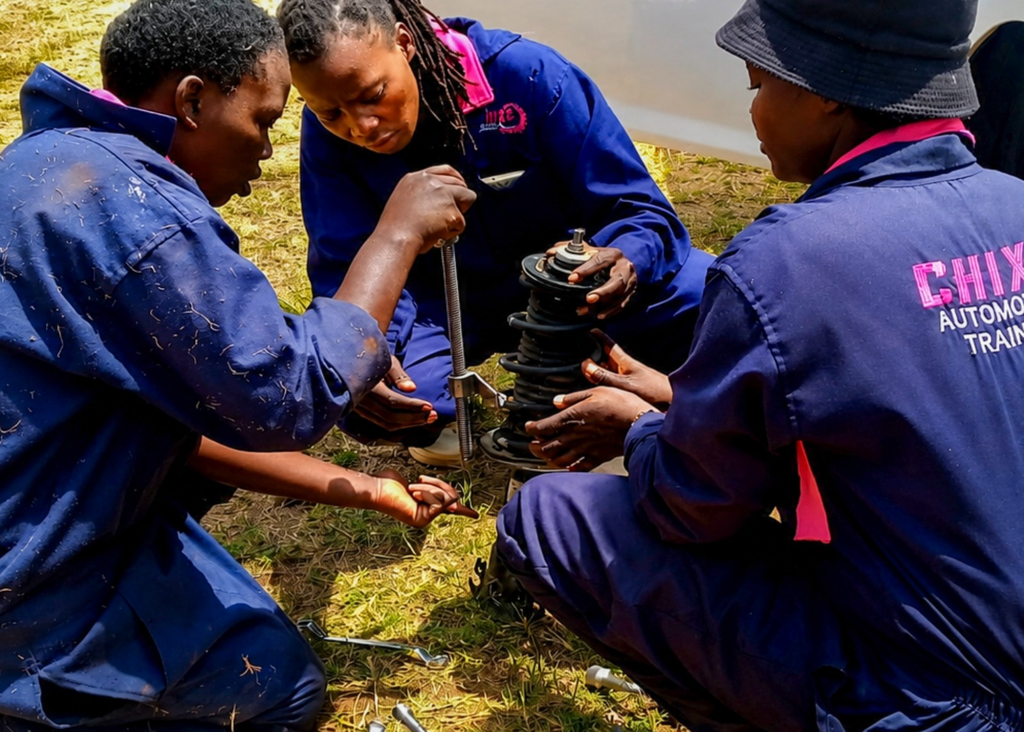
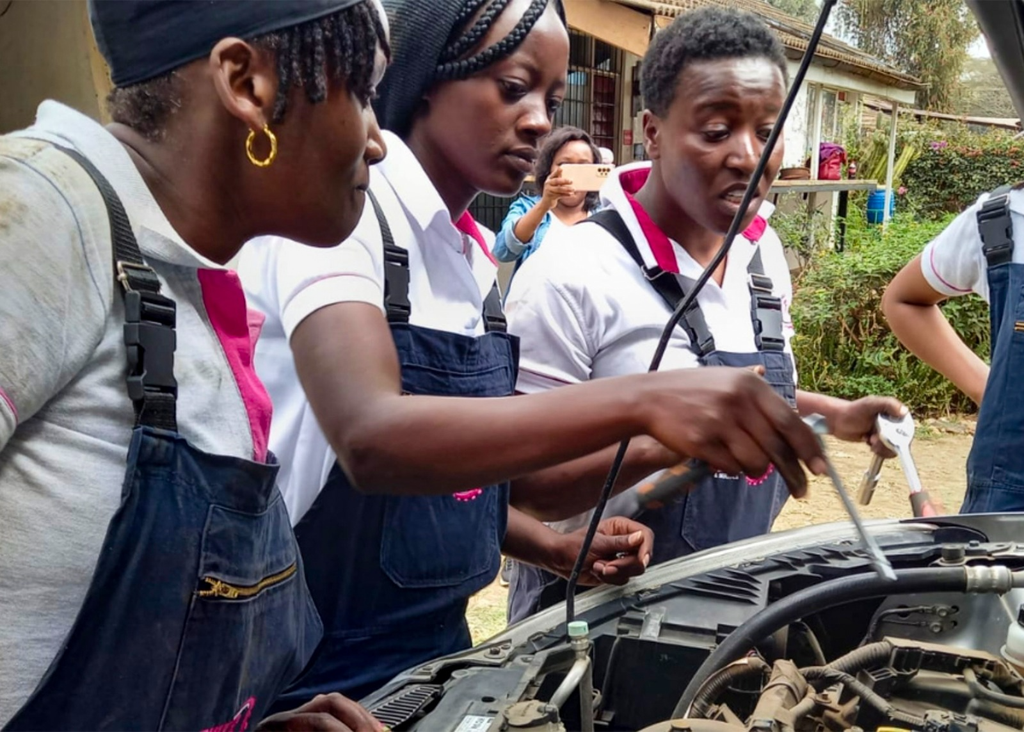
From her Chixz Auto Garage and Services in Kilifi, Wali is training young women to repair vehicles, service electric motorcycles, diagnose battery faults and work with solar systems. Her goal is to position women for the jobs, businesses and leadership opportunities emerging as Kenya shifts towards cleaner transport.
For years, garages have been seen as male territory. Wali’s workshop is challenging that image and offering a practical answer to a larger question facing Kenya’s energy transition on who will benefit from the new green economy.
Electric motorcycles, tuk-tuks and vehicles are becoming more common across the country, particularly in towns and peri-urban areas where boda bodas are central to daily life and commerce. Yet the number of people with skills to repair and maintain them remains limited, especially outside the major cities.
Wali sees that shortage as an opening for women. “Our focus has been to equip young women, young mothers between 16 and 24 years from low-income settlements with technical skills in repair and maintenance of electric motor vehicles to earn an income in the sector,” she says.
Chixz began with automotive mechanics but has expanded into electric mobility and solarisation. Its courses cover vehicle maintenance, electric motorcycle repair, EV battery repair and job placement. The centre is also certified to train people with disabilities.
The training is arriving at a pivotal moment. Kenya had registered 39,324 electric vehicles cumulatively by the end of 2025, a sharp rise from 1,378 in 2022, according to the Ministry of Roads and Transport.
This is creating an ecosystem of new work around vehicle servicing, charging, battery management, solar integration, fleet operations, spare parts and last-mile delivery. For women, that ecosystem could create routes into occupations where they have traditionally been underrepresented.
“In rural and peri-urban areas where electric motorcycles and three-wheelers are the common mode of transport, electric transport is fast penetrating these areas, but there are no mechanics with the skills to do the work,” Wali says. “Our trained women therefore have an opportunity to get in and earn a living.”
Kenya’s green transport ambitions are also supported by its energy mix. Much of the country’s electricity is generated from renewable sources, including geothermal, hydropower, wind and solar. That means the transition to electric mobility can help reduce dependence on imported fossil fuels while cutting emissions and improving air quality.
But the clean-energy shift will only be truly transformative if its economic benefits reach beyond large companies and urban centres.
Wali is already thinking beyond her garage. She plans to establish Chixz Hubs, which are local, one-stop centres in towns where electric motorcycles are spreading but specialised repair services remain scarce.
The hubs would combine training, repairs, spare parts, charging, battery swapping and motorcycle conversions. They would be managed by experienced technicians, with Chixz offering mentorship and incubation support. The aim is for trained women to operate their own businesses and serve the communities where they live.
The hub model could help turn women from trainees into entrepreneurs. Rather than depending solely on jobs in established companies, they could own workshops, manage battery-swapping stations, provide repair services or run fleets.
This is important because women remain largely absent from many parts of Kenya’s transport sector. Research connected to an e-mobility programme in Homa Bay found that women accounted for just 5% of electric-vehicle drivers in the country. Some women have faced family pressure or social stigma for entering boda boda work and other transport-related jobs.
Flo Mwangi, founder and chief executive of fleet-management and last-mile delivery company Ubuntu Rides, says the sector needs to deliberately create space for women beyond traditional office roles.
“Women really need to move beyond the rooms. Women need to move beyond the administration work,” she says.
Ubuntu Rides recruits, trains and manages riders using motorcycles, electric motorcycles and bicycles. Within six months of launch, it had reached 64 riders, though only three were women drivers. The company has become part of the employment pathway for some women trained by Chixz.
Still, technical skills are only one part of the solution. Women also need access to financing, tools, mentorship, market opportunities and workplaces that allow them to remain and progress in the sector.
That is the focus of initiatives such as Flone Initiative’s Women in E-Mobility Network, which supports skills development, mentorship, research, advocacy and access to finance.
In Homa Bay, women trained in electric-vehicle technology, battery systems, licensing and technical skills have gone on to work as technicians and battery-swap attendants, while others have launched electric boda boda and delivery businesses.
The government’s National Electric Mobility Policy, launched in February, is designed to support charging infrastructure, local production, skills development and investment in the sector. It recognises that the transition will need workers across manufacturing, assembly, servicing, charging, logistics and fleet management.
Wali’s work is helping make sure they are not merely passengers in Kenya’s green transition, but active participants and owners in the opportunities it creates.
The article has been republished from Bird Story Agency: https://agency.birdstoryagency.com/stories/kenyan-women-move-under-the-bonnet-as-e-vs-take-off?locale=en