
Climate change is emerging as an important challenge for cancer prevention and treatment, as rising temperatures, worsening air pollution, wildfires and extreme weather events increase environmental health risks and disrupt access to essential cancer services.
The connection was among the issues explored at the 2026 World Cancer Congress in Hong Kong, where more than 2,000 cancer specialists, scientists, policymakers, civil society representatives and people affected by cancer from more than 120 countries gathered to discuss the future of cancer control.
Discussions among medical experts highlighted how environmental changes can intensify existing cancer risks and make it harder for patients to receive timely diagnosis and treatment.
According to the experts, climate-related changes can worsen exposure to established carcinogens, affect environmental conditions associated with disease and weaken healthcare systems on which cancer patients depend.
For Ilit Turgeman of the Dana-Farber Cancer Institute and Harvard Medical School, understanding cancer requires looking beyond the tumour itself to the environmental conditions that may have contributed to its development.
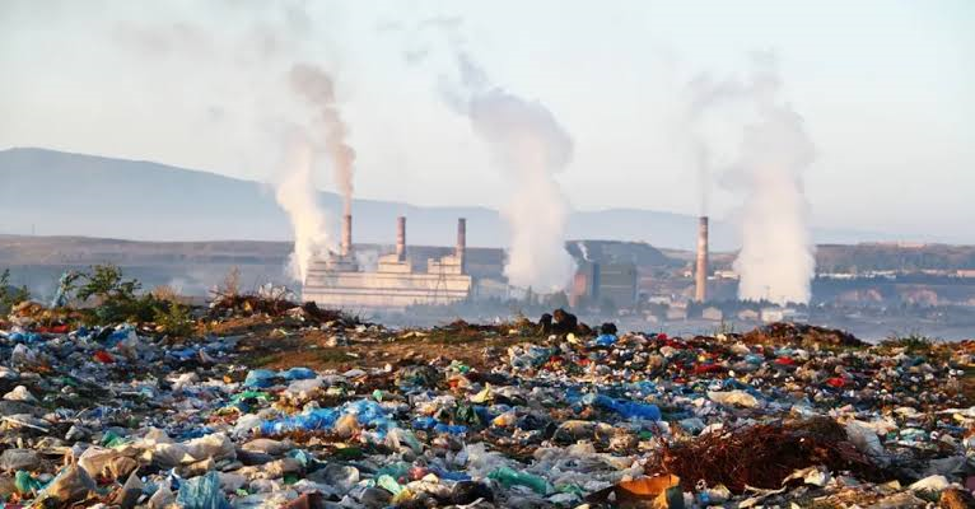
Air pollution provides one of the clearest links between environmental health and cancer. The International Agency for Research on Cancer classifies outdoor air pollution and particulate matter within it as carcinogenic to humans.
The experts said wildfires produce smoke containing fine particles that penetrate deep into the lungs, while changing weather conditions can influence the formation, movement and concentration of air pollutants. Heatwaves can also worsen the effects of existing pollution in some settings.
Research presented by Turgeman examined how fine particulate matter, known as PM2.5, may encourage the growth of lung cells carrying cancer-associated mutations, including mutations involving the EGFR gene. Such findings help explain how environmental exposures may contribute to cancer development, although the precise mechanisms and risks vary.
Researchers are also investigating associations between air pollution and breast cancer, while chemicals such as bisphenol A, phthalates and parabens are being studied for their potential to interfere with hormonal signalling. Microplastics have also been detected in human tissues, but their role in cancer development remains uncertain.
A review commissioned by the Union for International Cancer Control and published in April 2026 reported that long-term exposure to PM2.5 was associated with an 11 per cent increase in overall cancer risk and a 12 per cent increase in cancer mortality. The review also reported associations with mortality from breast, liver and lung cancers.
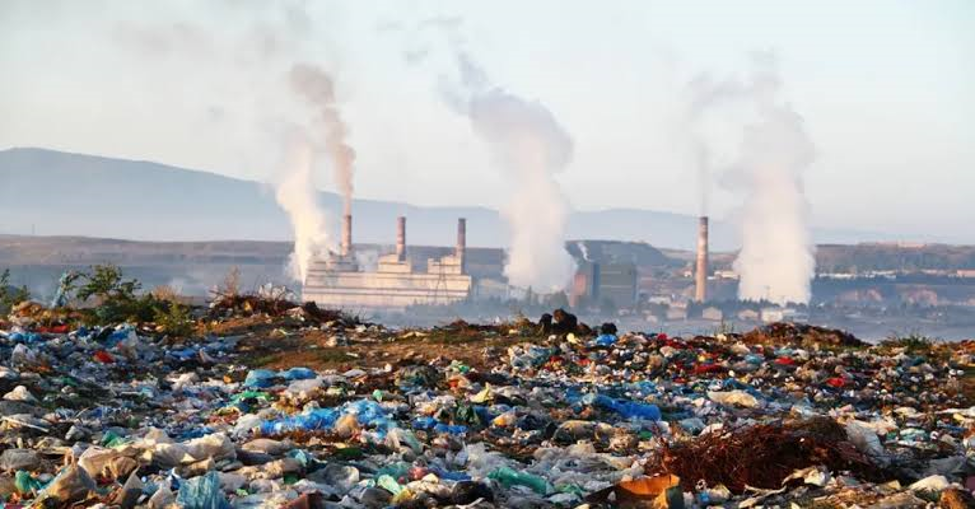
The implications are significant for Kenya, where cancer remains a major public health challenge and many people are exposed to air pollution from household cooking fuels, road traffic, industrial activities and waste burning.
The National Cancer Institute of Kenya, citing GLOBOCAN estimates, reported approximately 35,867 new cancer cases and 22,888 cancer deaths annually. Breast cancer was the most commonly diagnosed cancer, followed by cervical and prostate cancers.
For households that rely on polluting fuels, smoke exposure is an immediate environmental health concern. In urban areas, vehicle emissions, industrial pollution and the burning of waste add to the burden. Climate change can compound these pressures, although the extent to which it changes cancer incidence in Kenya requires further investigation.
Kenya’s Climate Change and Health Strategy 2024–2029 provides a policy framework for responding to climate-related health risks and strengthening the resilience of healthcare services. Research by Kenyan public health scientists, including work on air pollution and clean energy access in Nairobi’s informal settlements, also points to the importance of addressing environmental exposures as part of wider disease-prevention efforts.
Climate change also threatens people who already have cancer by disrupting the services they need to survive.
Roselle De Guzman, a medical oncologist at Manila Central University Medical Foundation Hospital in the Philippines, told the congress that extreme weather can interfere with every stage of cancer care, from screening and diagnosis to treatment and survivorship.
“Heat can make travelling to health facilities more difficult, particularly for older patients and those already weakened by illness. Flooding can prevent patients from reaching hospitals, damage diagnostic equipment and disrupt screening programmes. Power failures can interrupt laboratory services, while damaged roads and communication networks can delay treatment,” said Guzman.
These disruptions matter because many cancer treatments follow carefully planned schedules, and delays in chemotherapy, radiotherapy, surgery or diagnostic procedures can complicate care, depending on the cancer and the treatment involved.
Patients in remote communities and those who depend on continuous treatment may be especially vulnerable when health facilities lack the resources to maintain services during emergencies.
De Guzman recommended strengthening the resilience of cancer services through measures such as mobile outreach, telemedicine, decentralised services where appropriate, reliable supplies of essential medicines and systems that allow medical records to remain accessible when facilities are disrupted.
The congress also heard that climate change can also affect the environmental conditions under which food is produced, including water availability, agricultural productivity and food security. These pressures can interact with pollution and chemical exposures, raising broader questions about long-term health.
Zainab Shinkafi-Bagudu, incoming president of the Union for International Cancer Control (UICC) called for governments, civil society organisations and advocates to strengthen policies addressing pollution and environmental health risks.
The healthcare sector also faces a climate challenge of its own. Hospitals, medicines, medical equipment, procurement, patient travel and energy-intensive technologies all contribute to the environmental footprint of healthcare.
Seamus O’Reilly, a breast medical oncologist at Cork University Hospital in Ireland, argued that healthcare systems should improve patient outcomes while reducing the environmental harm associated with delivering care. He also highlighted concerns about medical plastics, electronic waste and the environmental costs of digital infrastructure.
“Reducing these emissions will require changes in how health facilities use energy, purchase supplies, manage waste and deliver services, without compromising patient safety or the quality of treatment,” said O’Reilly.