
The African Group secured a dedicated platform for climate finance discussions at COP31 in Türkiye, but failed to secure separate negotiations on tripling adaptation funding and climate-related trade measures on the conference agenda.
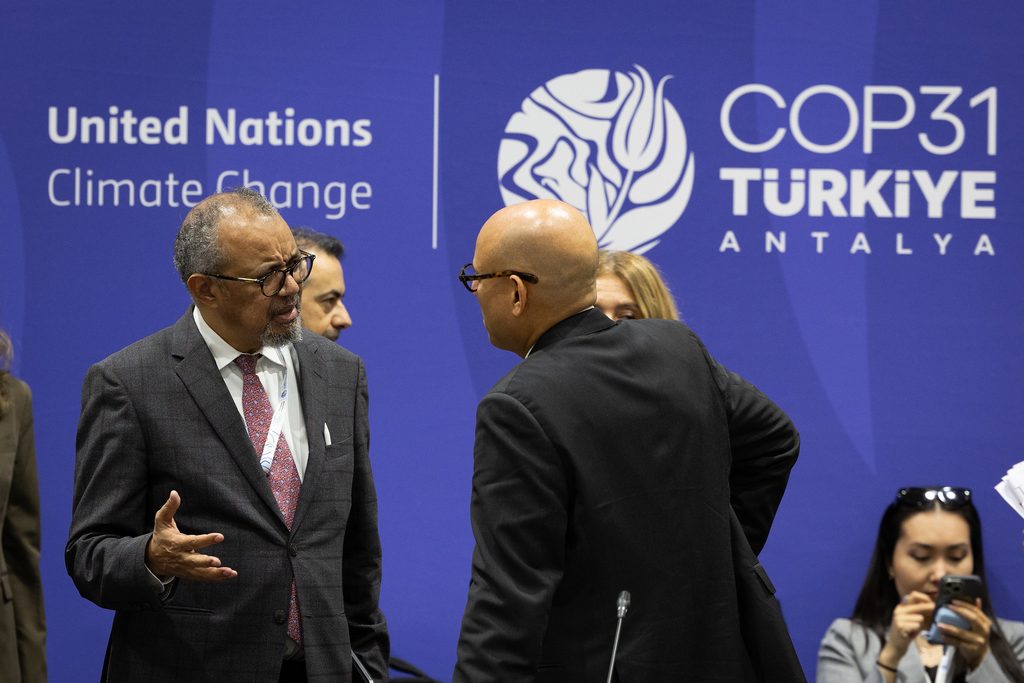
The compromise, reached during the opening plenary of the 31st Conference of the Parties to the United Nations Framework Convention on Climate Change (UNFCCC) in Antalya on November 9, followed negotiations over three priorities advanced by the African Group.
The group had pushed for separate agenda items on tripling adaptation finance, establishing a dialogue on trade and climate change, and addressing funding for the Green Climate Fund (GCF).
While the COP31 presidency agreed to include a standalone Climate Finance Work Programme (CFWP), it rejected separate agenda items on adaptation funding and trade measures. Discussions on GCF funding will instead take place under an existing agenda item.
The agreement avoided a prolonged procedural dispute but left two of Africa’s key demands outside the formal negotiating agenda, as developing countries continue to press developed nations to meet their climate finance obligations.
The standalone CFWP gives developing countries a dedicated space to examine the implementation of Article 9.1 of the Paris Agreement, which requires developed countries to provide financial resources to support climate action in developing countries.
The programme builds on the Global Mutirão decision adopted at COP30 in Brazil, which established a two-year work programme on climate finance, covering Article 9.1 within the broader framework of Article 9.
Its inclusion as a separate agenda item faced resistance from the European Union, which argued that the COP30 decision had not established a standalone item. The bloc maintained that the programme already had an agreed scope and mandate and should conclude within two years.
The disagreement reflects a wider divide over the New Collective Quantified Goal (NCQG), agreed at COP29 in Baku in 2024. The goal calls on developed countries to take the lead in mobilising at least $300 billion annually for developing countries by 2035. It also calls on all actors to scale up climate finance from public and private sources to at least $1.3 trillion annually by the same year.
Developing countries, including those represented by the African Group, maintain that the wider mobilisation target does not replace developed countries’ obligations under Article 9.1. They have also called for predictable and accessible funding, particularly grants and concessional finance, arguing that loans can increase the debt burdens of countries already struggling with climate impacts.
The financing gap is particularly significant for African countries, which face substantial adaptation needs despite contributing relatively little to global greenhouse gas emissions.
The African Group’s demand for dedicated discussions on trade and climate change also failed to secure a separate agenda item. The EU maintained that the issue should remain under an existing three-year platform that provides for annual dialogues on trade and climate change. The COP31 presidency said the chairs of the subsidiary bodies would invite submissions ahead of the next dialogue in Bonn.
The issue is particularly relevant to African exporters facing emerging carbon-related trade requirements, including the EU’s Carbon Border Adjustment Mechanism (CBAM).
Developing countries have raised concerns that unilateral trade measures could increase production and compliance costs for their exporters, particularly where businesses lack affordable access to cleaner technologies and the finance needed to reduce emissions.
On the Green Climate Fund, the presidency proposed discussing the fund’s financing needs and available resources under its existing agenda item, while the seventh review of the financial mechanism was deferred to COP32.