
By Seth Onyango
Marta Nguene dreams of becoming a television presenter. At a reception centre for flood survivors in Benguela, Angola, the 14-year-old is already learning how to tell stories, although not quite in the way she imagined.
A survivor of flooding along the River Cávaco, Nguene gathers the concerns and experiences of displaced families and shares them during psychosocial support sessions, acting as a reporter for her fellow survivors.
Her work, documented by the World Health Organisation (WHO) in October 2026, is helping give people a voice as they navigate the emotional toll of losing their homes and livelihoods.
It also reflects a growing recognition across Africa that recovering from climate disasters involves more than providing food, shelter and rebuilding damaged infrastructure. Survivors need support to deal with grief, anxiety, disrupted relationships and the uncertainty of what lies ahead.
For Roger Nokes of StrongMinds, an organisation providing community-based depression care in Africa, the psychological consequences of disasters are closely linked to the disruption of everyday life. “Sometimes, experiences like surviving a devastating flood can result in common depression triggers like conflict, isolation, grief, and life change,” he told this publication.
Families forced to relocate may lose the support networks they previously depended on. The destruction of a business can leave household members struggling financially, while losing a job or settling in an unfamiliar community can undermine a person’s sense of identity and purpose.
Even after floodwaters recede, the fear of another disaster can remain. “People may live with fear that a similar event may happen again and that fear could interrupt their lives or influence the decisions they make on a daily basis,” Nokes said.
In a recent Bhekisisa documentary, flood survivors in Mozambique and South Africa described how rain brings back memories of previous disasters. Delfina Catarina, who survived Cyclone Idai in Beira, Mozambique, said rain and strong winds still keep her awake at night.
Such experiences illustrate why mental health is increasingly becoming part of discussions about climate adaptation and disaster preparedness.
Across the continent, researchers and health practitioners are exploring how to reach affected people through local networks rather than relying exclusively on specialist mental health facilities. One such initiative is the Weather Events and Mental Health project, known as WEMA, which is examining the relationship between extreme weather and mental health in Burkina Faso, Kenya, Mozambique and South Africa.
Led by Professor Collins Iwuji of the Africa Health Research Institute, the project investigates how exposure to extreme weather events affects depression, anxiety and post-traumatic stress disorder.
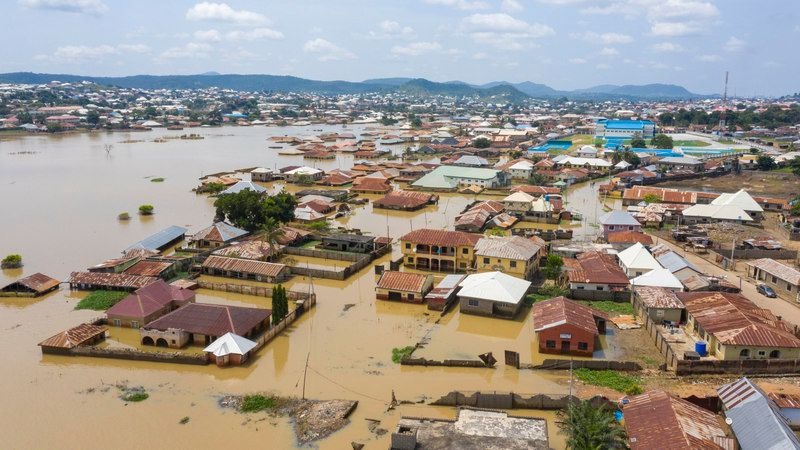
In Johannesburg’s Setswetla informal settlement, a study involving 100 adults found difficulties associated with intrusive memories and experiencing positive emotions among residents exposed to recurring floods. Published in April 2026 in Natural Hazards, the research provides evidence of the emotional burden that repeated flooding can place on residents of vulnerable settlements.
Similar concerns have emerged in Kenya. In Nairobi’s Mukuru informal settlement, where homes are built close to the Ngong River, researchers interviewed more than 500 flood-affected residents. Nearly half showed signs consistent with post-traumatic stress, highlighting the extent of psychological distress in communities with limited access to specialised care.
For Kenya’s Ministry of Health consultant psychiatrist, Dr Boniface Chitayi, the effects of disasters on mental health are often overlooked amid more immediate humanitarian concerns.
According to Dr Chitayi, disasters involving bereavement, destruction of property and forced migration can increase the risk of anxiety and depression. “Stressful events can trigger most serious mental illnesses,” Chitayi said. “Mental health issues are often forgotten amid other life-threatening disasters.”
Professor Iwuji argues that psychological support should begin immediately after a disaster, with community health workers trained to identify people experiencing distress and those requiring specialist intervention.
“Training community health workers to deliver psychological support in the immediate aftermath of this event is highly important and also to be able to identify people with severe forms of mental disorders for onward referral,” he told Bhekisisa.
The approach is particularly relevant in African countries where mental health specialists remain scarce and services are concentrated in major urban centres.
A 2026 systematic review of studies in Nigeria recommended task-sharing, in which community health workers and other non-specialists receive training to provide basic mental health support, including psychological first aid.
Following Tropical Storm Ana in Malawi, community workers, health personnel and social welfare officers were also trained in psychological first aid to support affected families. Local responders found that although many households had received food, shelter and other humanitarian assistance, their emotional needs remained largely unaddressed.
For Nokes, this gap points to a fundamental weakness in conventional disaster response, where psychological care is often treated as an emergency intervention rather than an essential component of long-term recovery.
StrongMinds uses interpersonal group therapy to provide depression treatment through trained community members. The approach brings together people experiencing similar challenges, allowing them to share their experiences, rebuild social connections and work through practical problems.
“Survivors connect with others who have lived through similar experiences and carried similar feelings, which helps them feel less alone and more understood,” Nokes said.
Participants are encouraged to identify the personal strengths, relationships and resources they can still rely on. Working through everyday difficulties as a group can also help restore a sense of control over their circumstances. “Together, group members work through the practical challenges they face right now. Solving these problems one at a time helps them feel safer and more in control of their daily lives,” he said.
He added that the approach helps survivors regain confidence as they rebuild their lives, rather than leaving them dependent on short-term interventions.
The need for sustained support is also gaining recognition in climate policy discussions. At the COP31 climate summit in Antalya, Turkey, strengthening health systems against climate-related impacts is expected to receive formal attention as countries consider how to protect populations from the wider consequences of climate change.
Meanwhile, researchers are increasingly examining how practical climate adaptation measures can improve mental as well as physical wellbeing. In South Africa, University of Cape Town researchers have been exploring interventions in informal settlements, including reflective roof paint, ceilings and solar-powered fans, to reduce indoor heat and improve sleeping conditions.
Although primarily designed to address heat exposure, such measures can also improve living conditions and potentially ease some of the stress associated with extreme temperatures and uncomfortable housing.
The connection between climate resilience and psychological wellbeing is particularly important in communities facing repeated exposure to floods, extreme heat and displacement. Harvard Medical School psychiatrist Giuseppe Raviola has argued that mental health should be treated as an essential pillar of climate adaptation, including in discussions on climate-related psychological distress in West Africa.
“Survivors need more than psychological first aid in the first few days. They need ongoing, community-based care that is in place before disaster strikes and stays long after the emergency teams leave,” said Nokes.
For Nguene, helping other flood survivors tell their stories is one way of rebuilding that sense of connection. Her ambition to become a television presenter may still be ahead of her, but in Benguela, she is already helping ensure that the experiences of people affected by disaster are heard.
Republished from Bird Story Agency: https://agency.birdstoryagency.com/stories/how-mental-health-care-is-helping-africa-s-flood-survivors-feel-safe-again?locale=en