
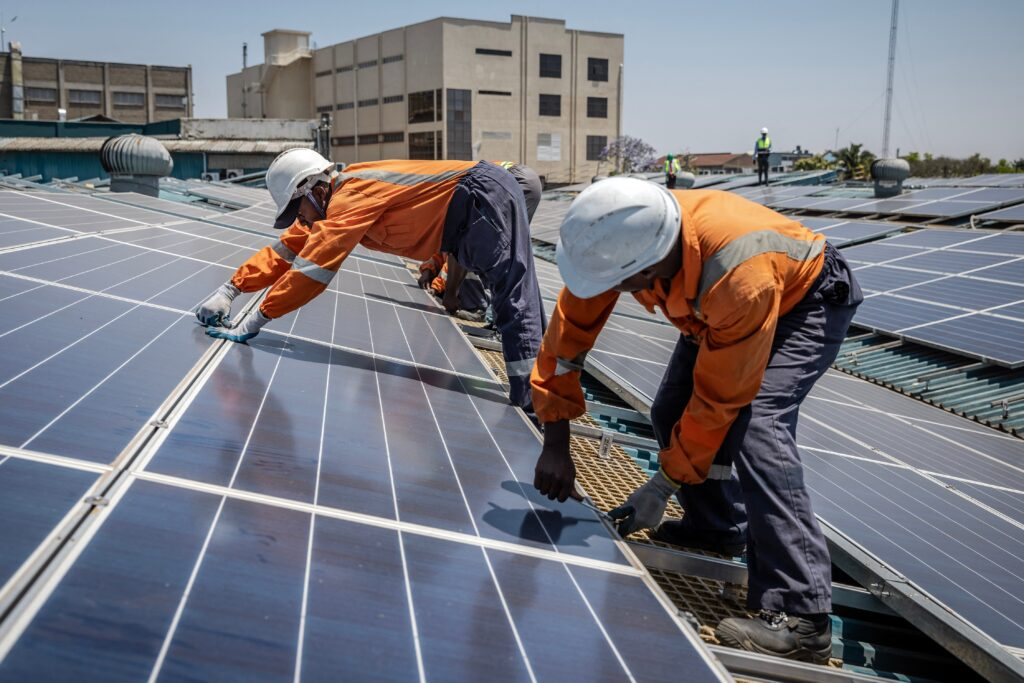

Countries have been urged to accelerate the transition to electricity powered by clean energy.
COP31 President of Negotiations Chris Bowen and UN Climate Change Executive Secretary Simon Stiell said faster electrification was critical to cutting emissions, reducing energy costs and protecting households and businesses from the economic shocks associated with fossil fuel dependency.
Speaking at a COP31 Presidency press conference in Antalya, Türkiye, on November 10, the two officials called on governments, businesses and other stakeholders to accelerate the adoption of electric technologies and expand access to clean electricity.
Bowen said the world needed to increase the share of electricity in final energy consumption from the current 23 per cent to 35 per cent by 2035, warning that the global climate target of limiting warming to 1.5°C would remain out of reach without a much faster transition.
“It’s important that we send a message from COP31 that countries working together is not only the best way, it is the only way of dealing with climate change and the other crises countries are facing,” he said.
Bowen said global electrification had increased slowly, from 17 per cent in 2005 to 19 per cent in 2015 and 23 per cent currently, adding that the COP31 Presidency was encouraging countries to sign an electrification pledge and consulting governments on how to incorporate the issue into the conference’s final decision.
The push comes as countries grapple with rising living costs, energy insecurity and increasing pressure on electricity grids from emerging technologies, including artificial intelligence.
Bowen described the current situation as a period of multiple overlapping crises, noting that the climate crisis had intensified even as governments dealt with other economic and technological challenges.
He pointed to increasingly destructive climate-related disasters affecting countries around the world, saying governments were confronting impacts they had not previously anticipated.
Stiell said COP31 needed to move beyond commitments towards practical solutions that could help countries implement their climate plans and deliver tangible benefits to communities. “There’s no quick fix to climate. There is a ton of hard work ahead,” Stiell said, adding that COP31 presented an opportunity to accelerate the implementation of existing climate solutions.
Focusing on Tuesday’s Energy and Transport Day, Stiell warned that countries faced a choice between accelerating electrification and remaining exposed to the economic consequences of fossil fuel dependence.
“Nations now face a choice of electric or shock. Rewire the global economy for the electricity age, or accept ongoing fossil fuel cost pain for families, firms, and national budgets,” he said.
He argued that clean energy could help countries reduce household energy costs, cut pollution and strengthen their economies against fluctuations in international fossil fuel markets.
“According to the International Renewable Energy Agency (IRENA), 90 per cent of large-scale renewable energy projects are now cheaper than fossil fuel alternatives,” Stiell said.
However, he warned that the transition remained uneven, with many countries requiring greater support to expand clean energy infrastructure and access to electricity. Stiell said existing technologies could already enable the electrification of up to 75 per cent of energy demand, making faster deployment a priority.
He urged governments to work with businesses, cities and regional authorities to expand the use of electric technologies powered by clean energy.
Beyond electrification, the two officials sought to defend the importance of international cooperation at a time when countries are facing mounting economic and environmental pressures.
Bowen said the joint leadership arrangement between Australia and Türkiye, which has seen the two countries integrate their COP31 teams, demonstrated that countries could work together to manage complex international processes.
Stiell said COP31 had to build on progress made at previous climate conferences by concentrating on solutions that could be implemented more quickly and fairly. He said the objective was to extend the benefits of climate action to more people and communities while helping countries deliver their existing commitments.