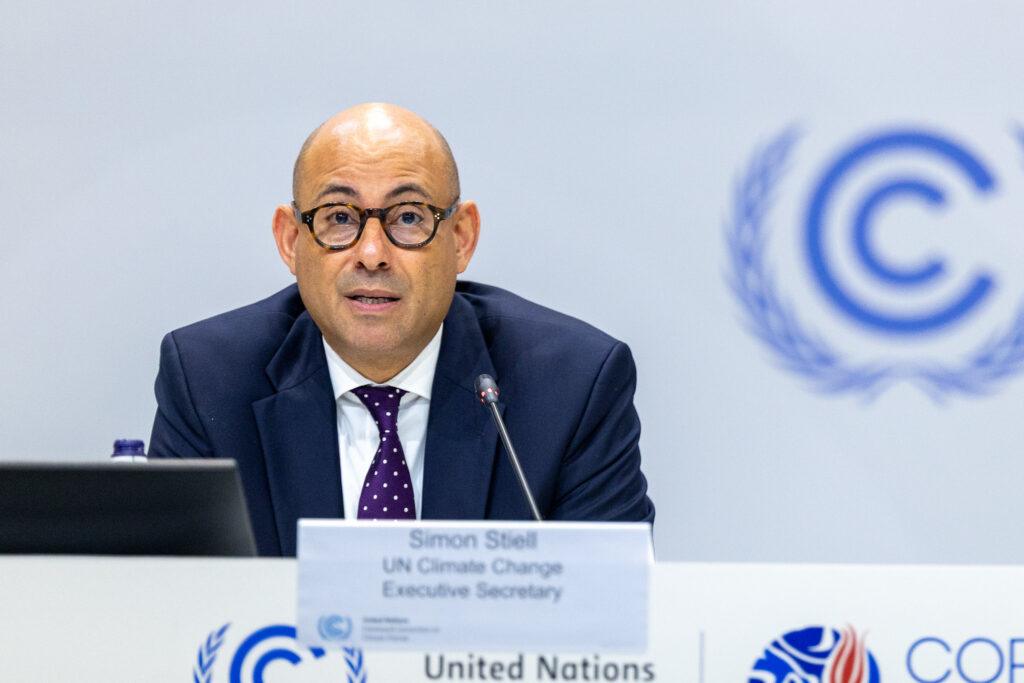

United Nations climate chief Simon Stiell has called on governments to integrate health priorities into national climate plans, warning that rising temperatures, extreme weather and climate-related diseases are placing growing pressure on health systems, particularly in vulnerable communities.
Speaking during a Health Day Ministerial Roundtable at the 31st UN Climate Change Conference (COP31) in Antalya, Türkiye, Stiell said climate change was increasingly threatening the ability of hospitals and clinics to deliver essential services, with consequences that could mean the difference between life and death.
He cited examples including hospitals overheating during heatwaves, power outages disrupting medical services, refrigerators failing to preserve medicines, floods contaminating water sources and damaged roads preventing pregnant women from reaching health facilities. “In these moments, climate change can be the difference between life and death,” he said.
Stiell urged governments to make health a central component of climate action, arguing that national adaptation plans must address the practical challenges facing hospitals, health workers and communities exposed to climate risks. He said health ministries should be involved from the beginning in developing national climate plans, aligning health-sector priorities with adaptation strategies and monitoring implementation.
Countries, he added, should assess whether health facilities can remain operational during heatwaves, maintain access to safe water after floods and detect disease outbreaks before they spread.
The climate chief also highlighted the growing threat of extreme heat to maternal and newborn health, citing new data from Wellcome showing that almost every maternal-health professional surveyed across several countries had cared for a pregnant woman or baby whose health they believed had been affected by extreme heat.
At a pre-COP meeting in Fiji, Stiell had described pregnancy and childbirth as a new faultline in the climate crisis, warning that extreme temperatures were exposing pregnant women and newborns to additional health risks. “You can’t ‘stay cool’ when there is no cool place to go,” he said.
He called for increased investment in climate-resilient health infrastructure, including facilities powered by clean energy, reliable access to safe water, stronger disease surveillance and early-warning systems, as well as training for health workers to manage emerging climate-related risks.
Stiell further urged governments to ensure that climate finance reaches countries facing the greatest climate impacts but with the fewest resources, saying the COP30 call to at least triple adaptation finance by 2035 must translate into actual financial flows to support vulnerable countries.
However, he cautioned that adaptation alone would not be sufficient to protect populations from the health consequences of climate change. “No health system can be made resilient to an endlessly warming world,” he said, calling for a faster and fairer transition away from fossil fuels, alongside efforts to triple renewable energy capacity and double energy efficiency.
He argued that clean energy would not only keep hospitals and clinics operational but also reduce air pollution and the associated burden of disease. “Reliable clean power keeps clinics running. But cleaner air keeps people out of them,” he said.
Stiell pointed to the Antalya Health Accelerator Initiative as an opportunity to mobilise political leadership, cooperation and financing to translate climate and health commitments into practical interventions.
“Health is where climate policy becomes human reality,” Stiell said, citing the ability to keep medicines refrigerated, maintain hospital services, detect disease outbreaks early and ensure safe childbirth as examples of what climate action should deliver.
He urged ministers attending COP31 to ensure that health considerations are embedded in climate planning, financing decisions and assessments of progress. “Let us roll up our sleeves and deliver on the commitments we have made of turning cooperation into protection, and protection into lives saved,” he said.