
By Seth Onyango in Antalya, Türkiye
A proposed global target to increase electricity’s share of energy consumption to 35 per cent by 2035 has brought Africa’s electricity access gap and infrastructure needs into focus at COP31 in Türkiye.
The initiative, known as the 35 by 35 pledge, is being advanced by the Turkish COP31 presidency as a framework for accelerating the shift towards electricity in transport, industry, buildings and other sectors. It seeks to raise electricity’s share of global final energy consumption from about 23 per cent currently to 35 per cent by 2035.
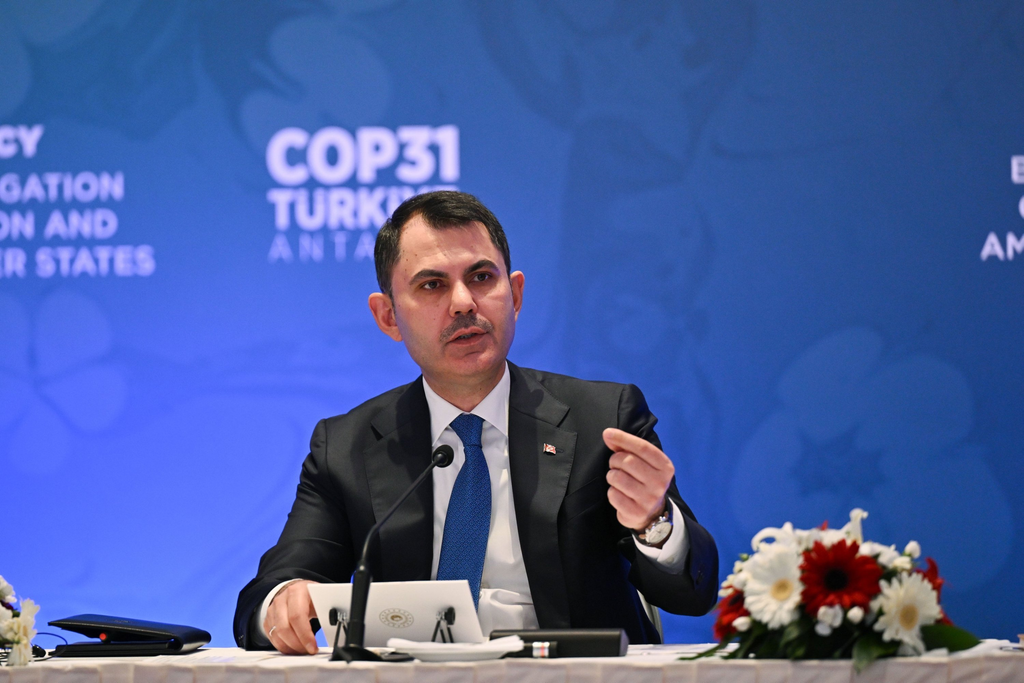
COP31 President Murat Kurum said the initiative was intended to give electrification a clear international target, linking it to energy security, economic growth and reduced dependence on imported fuels.
“We need the 35-by-35 target because until now electrification has not been underpinned by a clear global goal,” Kurum said.
But for African countries, where access to reliable and affordable electricity remains a major development challenge, the proposal raises issue of how the investment needed to expand electricity supply reach the countries and communities that need it most.
Around 600 million people in sub-Saharan Africa lacked access to electricity in 2024, according to the International Energy Agency (IEA). Millions more face unreliable supply, high electricity costs and dependence on expensive backup generators.
For these countries, electrification means building power stations, extending transmission and distribution networks, connecting households and ensuring that businesses have enough reliable electricity to operate.
Kapwani Kavenuke, a lawyer and energy campaigner at Power Shift Africa, said the initiative needed to recognise these different starting points. “Electrification is a good way to go because we are trying to transition away from fossil fuels,” Kavenuke told bird story agency on the sidelines of COP31.
However, she said Africa’s priorities must include extending renewable electricity to communities that remain outside existing power networks and improving energy efficiency.
The IEA estimates that annual financial commitments for new electricity connections in sub-Saharan Africa remain below US$2.5 billion, and concessional financing would need to increase approximately sixfold to support universal electricity access.
The African Development Bank and World Bank are seeking to address this deficit through Mission 300, an initiative to connect 300 million Africans to electricity by 2030. The programme combines investment in national grids with support for decentralised renewable energy systems, private-sector participation and reforms intended to improve the financial viability of electricity projects.
The financing debate gained further momentum on November 10 at COP31 with the launch of the Electrify Now Finance Coalition, which brings together governments, development banks and private financial institutions to support electrification in emerging and developing economies.
For African governments, however, the challenge is not only how much financing is available but also the conditions attached to it, including high borrowing costs, currency risks, public debt pressures and financially constrained national utilities, which can make electricity infrastructure projects difficult to implement.
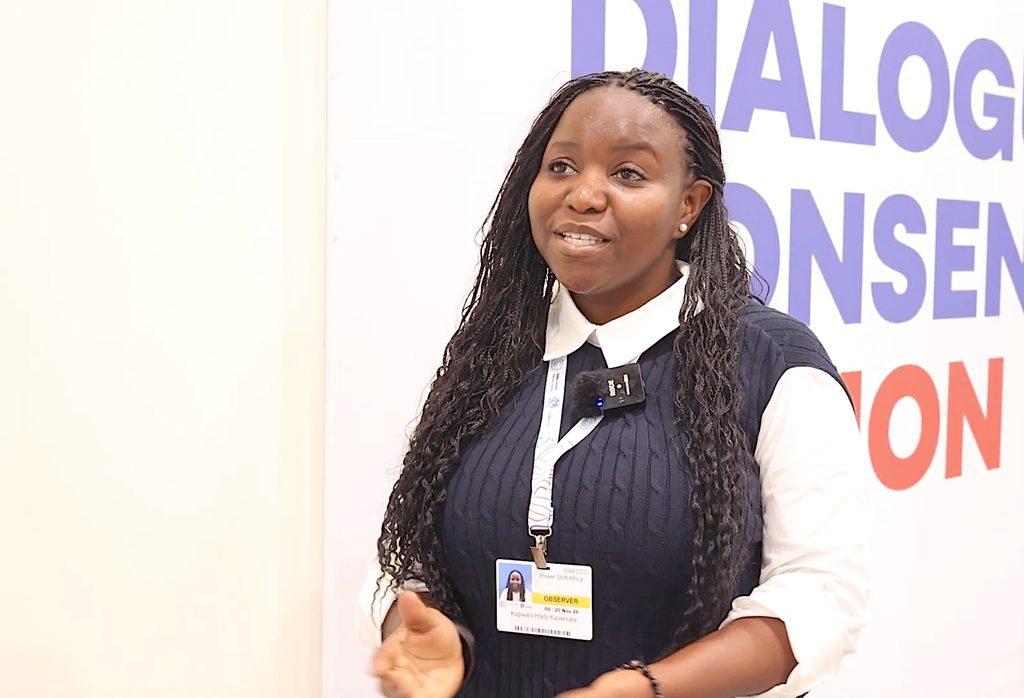
Kavenuke said grants should play a larger role, particularly in financing access for communities that cannot readily support commercially financed projects.
More than 120 civil society organisations have similarly called on the COP31 presidency to strengthen the proposed framework through increased public climate finance, including grants and concessional funding for developing countries. They also want financing to reach smaller enterprises, community energy providers and local organisations.
Beyond household connections, the proposed target has implications for Africa’s industrial ambitions as reliable electricity is essential to expanding manufacturing, processing agricultural produce and adding value to minerals before they are exported.
Damilola Ogunbiyi, chief executive of Sustainable Energy for All and the UN Secretary-General’s Special Representative for Sustainable Energy for All, said electrification could support industrial development and economic independence. “Electrification presents an opportunity to industrialize, create jobs, improve livelihoods and strengthen energy independence,” Ogunbiyi said.
The proposed target has also prompted debate over the sources of electricity that will support increased consumption. In an analysis published ahead of COP31, the Heinrich Böll Foundation warned that the initiative could allow countries to expand electricity generation using fossil fuels unless stronger provisions linked electrification to renewable energy.
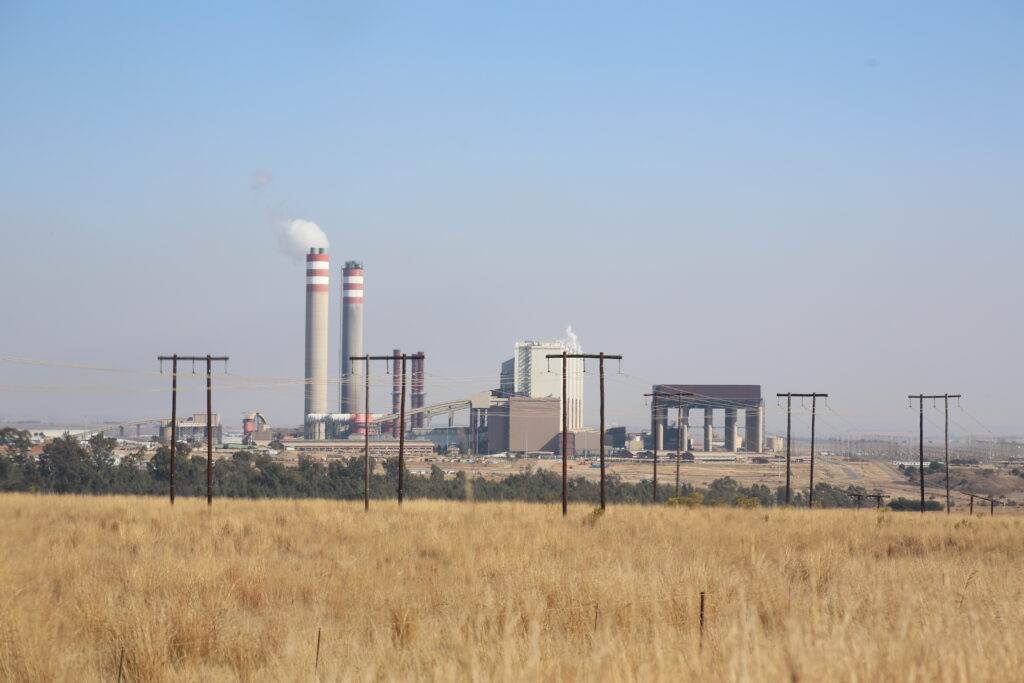
African countries have different energy profiles and development priorities. South Africa remains heavily dependent on coal, while Kenya and Ethiopia generate substantial shares of their electricity from renewable sources. Natural gas also features in the energy development plans of several African economies.
In many African countries, the immediate challenge is establishing the infrastructure needed to make greater electricity consumption possible in the first place. Kavenuke said the proposed 2035 deadline needed to be considered against the realities facing communities without reliable electricity infrastructure.
Australia’s climate minister and COP31 President of Negotiations, Chris Bowen, said the ambition would need to be matched by practical investment. “Ambition matters, but it must be backed by investment, infrastructure and implementation,” Bowen said.
The article has been republished from Bird Story Agency: https://agency.birdstoryagency.com/stories/africa-seeks-terms-for-backing-cop-31-s-global-electrification-push?locale=en