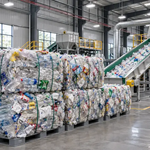
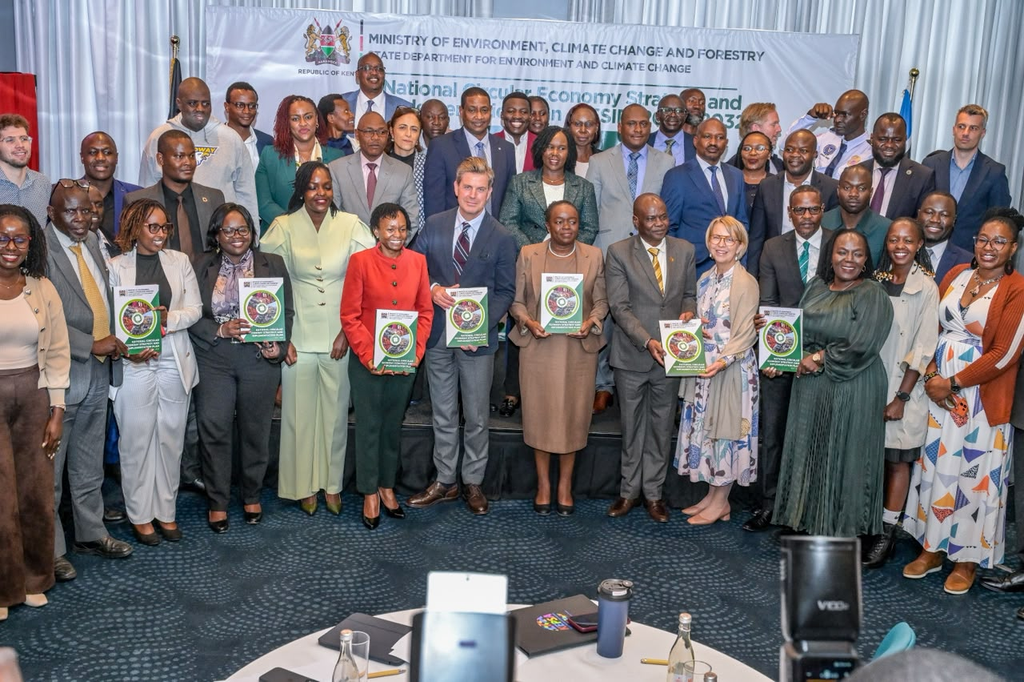

Kenya is seeking to transform waste management from a system centred on disposal into an economic model that recovers valuable materials, reduces pollution and creates jobs under a new national strategy expected to attract more than KES 90 billion in investment.
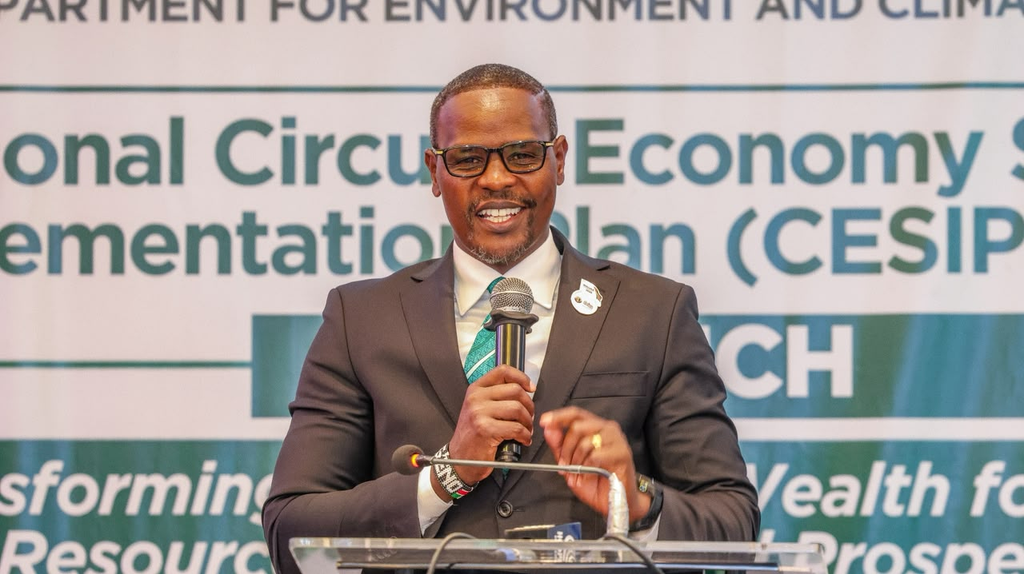
The National Circular Economy Strategy and Implementation Plan (CESIP) 2027–2032, launched on November 24, seeks to reduce the volume of waste reaching dumpsites by promoting reuse, repair, recycling and resource recovery across five priority sectors.
The strategy marks a shift from the conventional “take-make-dispose” model towards one in which products are designed to last longer and materials are recovered and returned to productive use.
It comes as Kenya grapples with mounting waste volumes, with the government estimating that each person generates about 0.5 kilograms of waste daily. Packaging materials account for nearly 30 per cent of municipal solid waste.
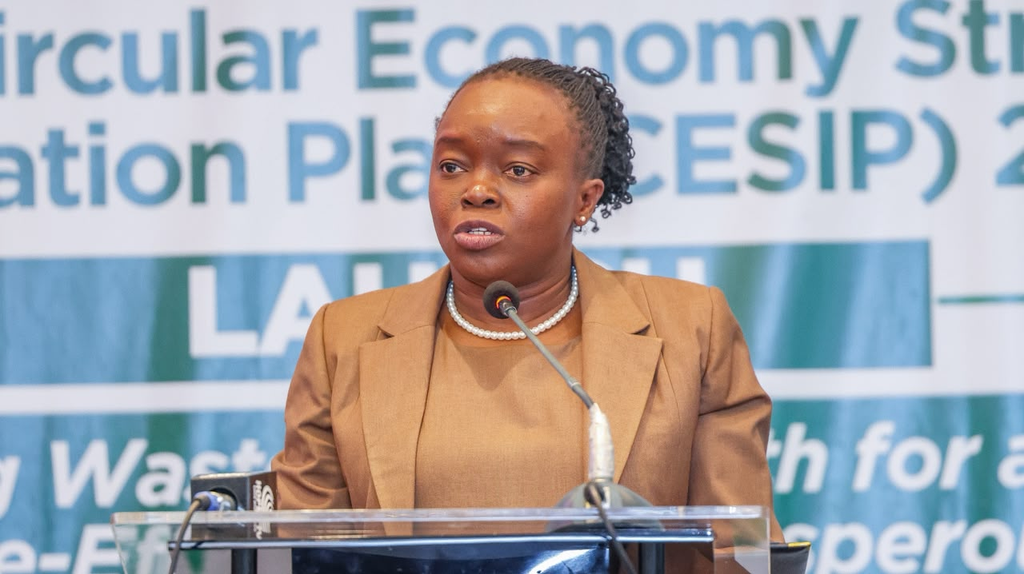
Environment Cabinet Secretary Deborah Barasa said the strategy would help reduce environmental degradation while creating new economic opportunities. “By promoting resource efficiency, sustainable production and consumption, product longevity, reuse, repair, recycling, and resource recovery, Kenya can reduce environmental degradation and pollution while unlocking new investments,” she said.
The plan prioritises agriculture and food systems, plastics and packaging, electrical and electronic equipment, textiles and fashion, and mining, quarrying and construction.
Under the new approach, waste materials from these sectors would increasingly become inputs for other industries, reducing reliance on virgin raw materials and limiting the amount of discarded material entering the environment.
The government also plans to strengthen waste recovery infrastructure, establish standards for recycled materials and enforce Extended Producer Responsibility (EPR) regulations requiring producers to take greater responsibility for the waste generated by their products.
County governments, which are responsible for waste management and frontline service delivery, will work with the national government to develop recovery infrastructure and investment projects. The strategy also calls for waste segregation at source, allowing recyclable and reusable materials to be separated before collection and processing.
By reducing waste disposal and preventing pollution at source, the strategy is expected to ease pressure on ecosystems and reduce environmental leakage. The recovery and reuse of materials could also reduce demand for virgin resources, helping conserve natural resources and support climate action.
The government expects the shift to improve environmental conditions while strengthening climate resilience and reducing pollution associated with production and waste disposal. Improved waste management could also reduce communities’ exposure to pollution from poorly managed waste.
The plan further seeks to improve occupational health and safety for waste pickers and informal recyclers, whose work already supports material recovery across the country. Barasa said the transition must ensure that waste pickers, repairers and informal recyclers benefit from improved incomes, technical accreditation and integration into formal markets rather than being displaced.
The strategy identifies opportunities in plastics recycling, electronic waste management, organic waste recovery and the production of circular construction materials. These activities are expected to create markets for recovered materials, strengthen domestic manufacturing and reduce reliance on costly imported raw materials. The government also expects circular businesses to generate green jobs, particularly for young people, women and micro, small and medium-sized enterprises.
To support the transition, the government plans to use green public procurement to stimulate demand for recycled materials and mobilise public and private financing for recovery projects.