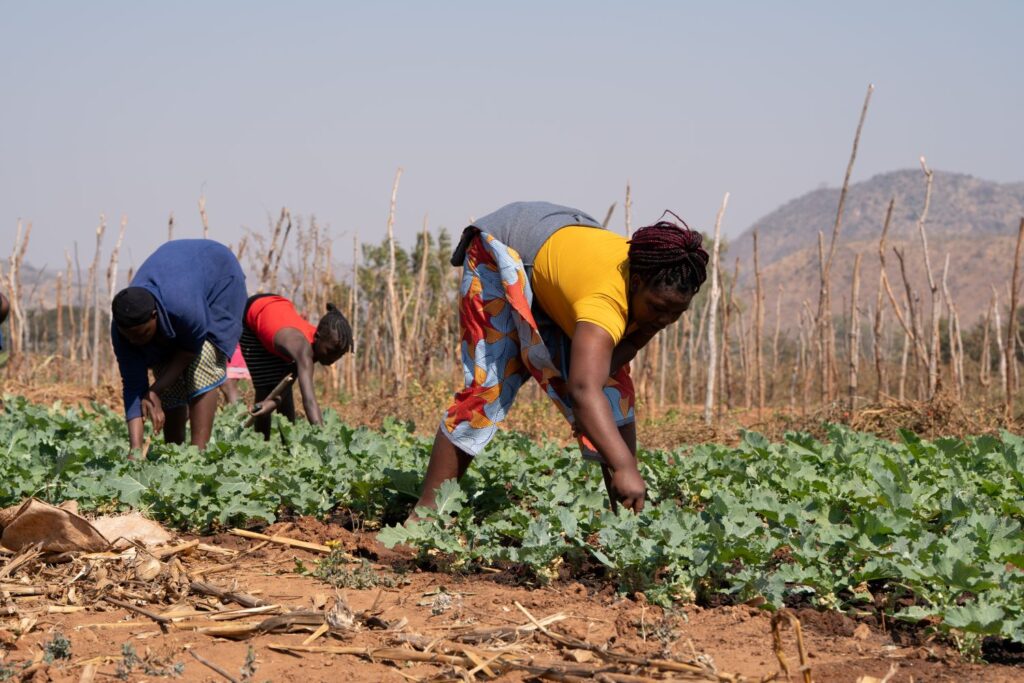

A new policy brief from Power Shift Africa (Kenya) and Germanwatch (Germany) urges the German government to rethink its agricultural cooperation strategy with Africa. The brief, titled "What is the Missing Ingredient? The German Agriculture and Food Strategy for Africa 2025," calls for a shift toward food sovereignty and agroecological practices to address Africa's deepening food crisis.
CGIAR Science Week, co-hosted by the Kenyan Agricultural and Livestock Research Organization (KALRO), is bringing together experts and leaders in agricultural science to explore innovative partnerships.
The event focuses on how science and collaboration can help tackle global challenges like food security, nutrition, and strengthening livelihoods.
Baringo has also been overrun by Prosopis juliflora, a highly invasive plant commonly known as Mathenge. This thorny species is spreading rapidly, taking over the land and disrupting the natural environment. Tragically, thousands of flamingos that once thrived around Lake Bogoria have become trapped in the thorns and died. The plant has even invaded the flamingos' breeding areas on the shores of Lake Bogoria National Reserve.
By embracing clean cooking solutions, schools in Kenya could lead the way in both environmental and financial sustainability. The shift from firewood to clean energy doesn’t just save trees—it saves money, improves health, and ensures that future generations will inherit a healthier, greener planet.
The luxury of an uninterrupted power supply is often taken for granted by many, especially urban dwellers. Ironically, some residents living in counties that host Kenya's supply remain the most underprivileged.
Kenya’s pursuit of nuclear power also raises questions about regional security. While only two African countries—South Africa and Egypt—currently have nuclear power programs, several others, including Ghana, Morocco, Nigeria, Rwanda, Tanzania, and Uganda, are considering nuclear energy as part of their future energy strategies.
The COP climate talks under the United Nations Framework Convention on Climate Change (UNFCCC) are "no longer fit for purpose" and urgently require an overhaul, according to key experts, including former UN Secretary-General Ban Ki-Moon and former UN climate officials.