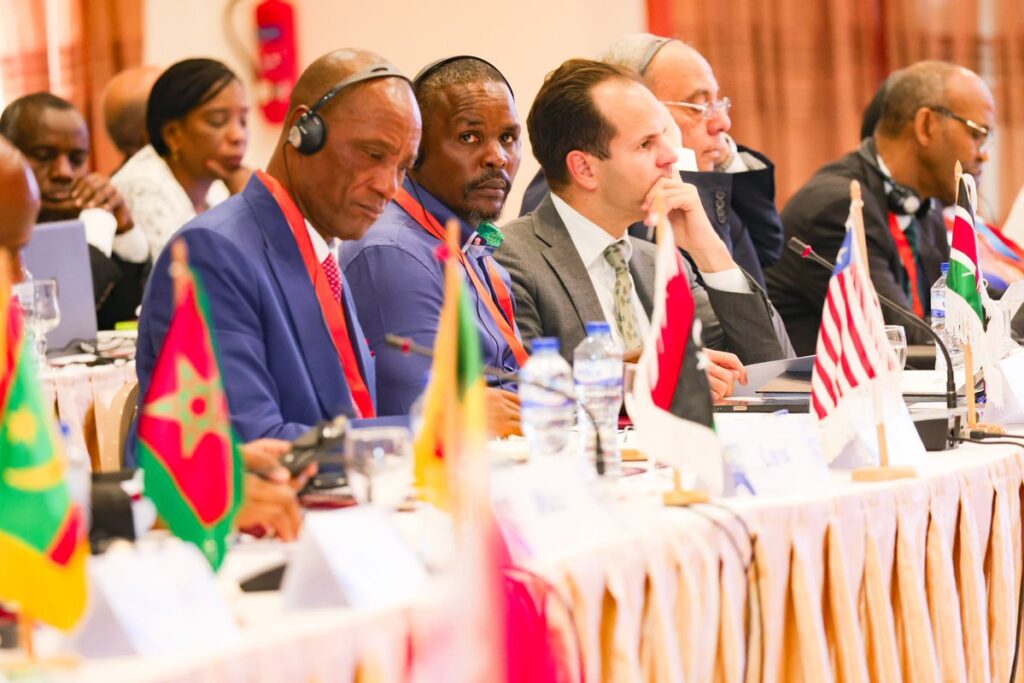
Representatives from at least 180 countries have gathered in Geneva for two weeks of high-stakes negotiations to address the escalating global threat posed by hazardous chemicals, including widely used pesticides and everyday stain repellents.
From customer service to award-winning business leader, Linet Moraa’s journey into the renewable energy sector proves that passion, resilience, and continuous learning can spark real change. Her next chapter? Building a sustainable, inclusive future.
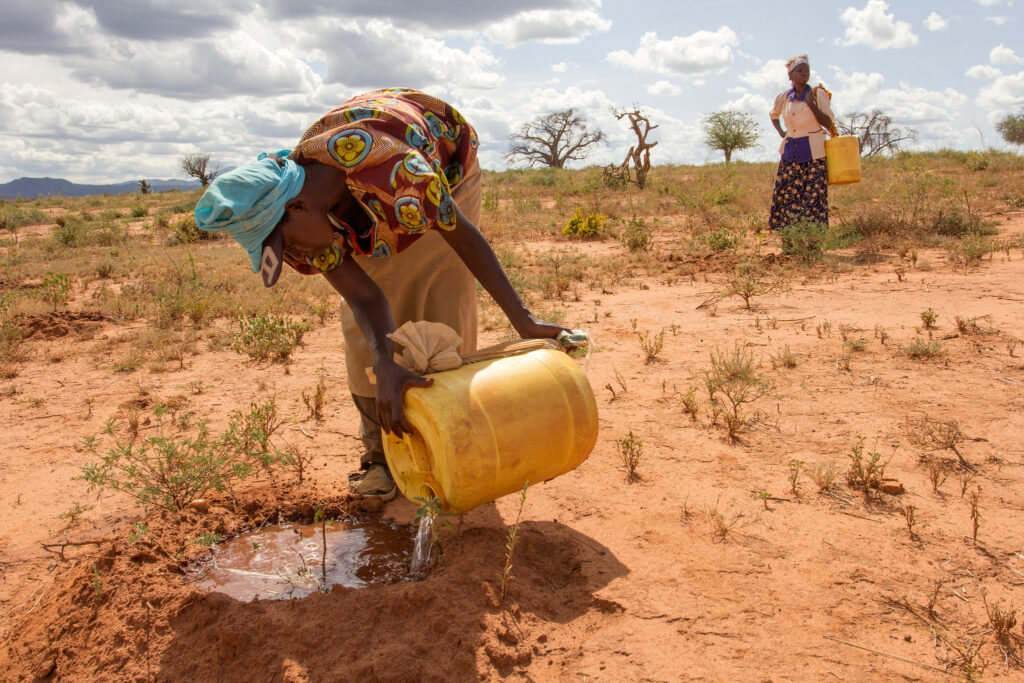
The Ministry of Water, Sanitation, and Irrigation, through the State Department for Irrigation, is currently developing a policy aimed at addressing land degradation. Ian Thandi, the Director of Climate Change Resilience for Food and Water Security at the Ministry, has highlighted the importance of this policy in helping Kenya reclaim degraded land.
Despite its numerous challenges, the plant has emerged as an alternative source of income for some locals, particularly women who harvest and sell the fruits for wine and jam production. Additionally, it is now being recognized as a green energy source, with its leaves being used to generate biogas for cooking through a collaborative program involving Jomo Kenyatta University of Science and Agriculture, Laikipia Permaculture Centre, and Florida University in the US.
When cows' stomachs make methane, they lose valuable energy that could otherwise be used to make milk or meat. By feeding them in a way that reduces methane output, researchers might be able to help the cow produce more milk while also chasing climate goals.
The report shows that the climate crisis also exacerbates violence against women and girls by making it even harder to address and prevent: “Climate change can create environmental conditions that damage or disrupt schooling, health services, public services and infrastructure, utilities, transportation, social services, healthcare, and local government.”
When compared to other hazards, the study shows, rapid temperature fluctuations pose a unique threat due to the limited time available to respond and adapt, potentially exacerbating impacts on both natural and societal systems.