
NAIROBI, Kenya – As global leaders negotiate the future of environmental policy at the UN Environment Assembly (UNEA-7), a powerful chorus is rising from the ground up. Youth, Indigenous leaders, and local communities are tired of token seats at the table.
They are demanding a fundamental shift in power, urging a move from slow, top-down bureaucracy to inclusive, community-led action. This call is not just about being heard; it’s about having the authority and resources to drive change.
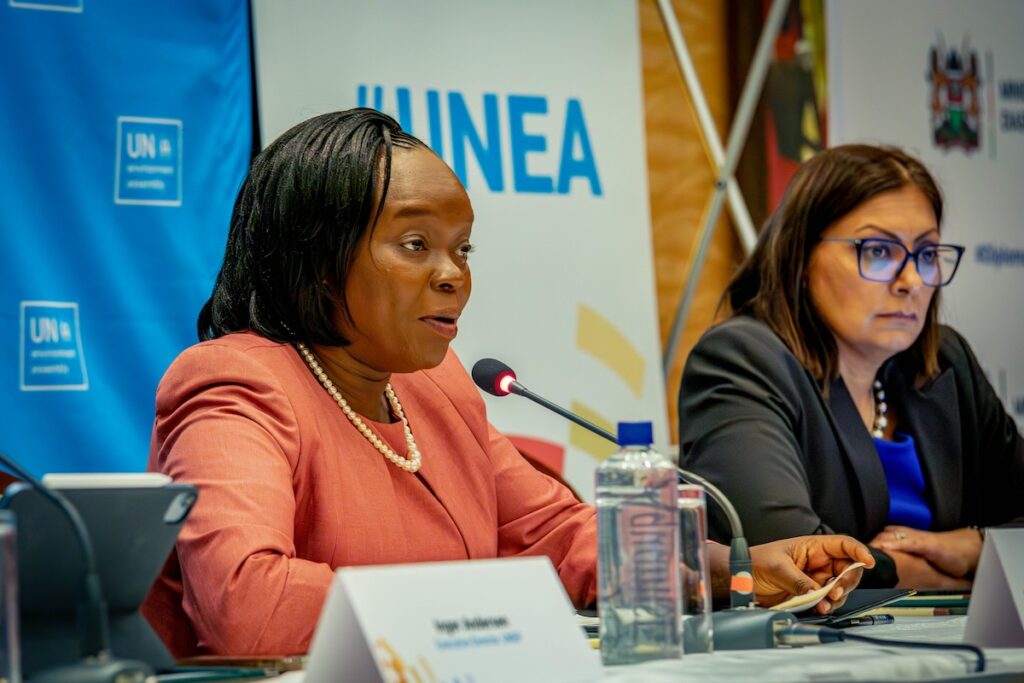
The message was powerfully articulated by Kenya’s Environment Cabinet Secretary, Dr. Deborah Barasa. “The time for small, cautious steps has passed; what we need now is bold, integrated, and inclusive action,” she declared, setting an urgent tone for the assembly.
This sentiment is the driving force behind a growing movement demanding that those on the frontlines of the climate crisis be given real decision-making power.
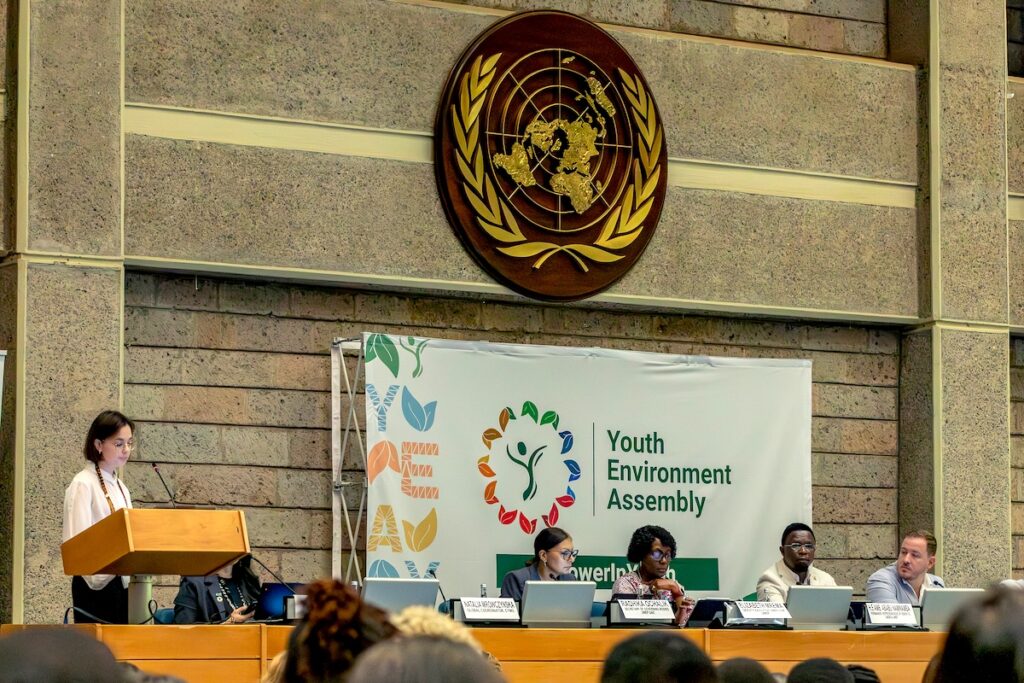
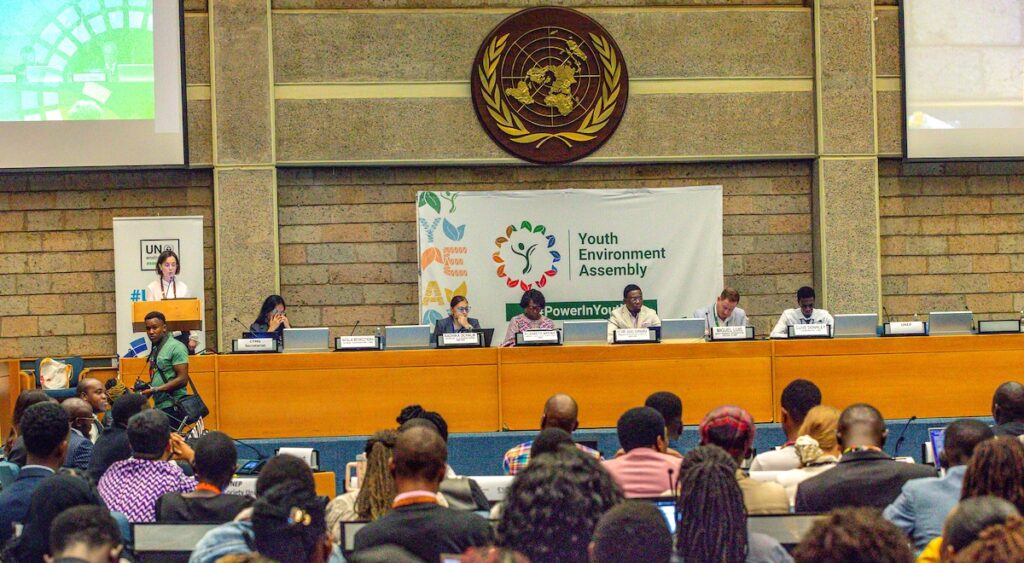
The youth are leading this charge. At the pre-UNEA Youth Environment Assembly, over 1,000 young delegates adopted a Global Youth Declaration, a clear and urgent mandate for change.
This document, representing input from over 2,000 organizations, calls for a complete overhaul of environmental governance. It demands predictable funding for youth-led solutions, a formal role in policy-making, and an end to the financial systems that block progress in developing nations.
Their declaration is a response to what they see as a “deepening crisis of international cooperation.” They argue the current system is failing, and they are no longer willing to wait for it to fix itself.
This demand for inclusion was echoed at the Major Groups and Stakeholders Forum, where speakers highlighted that environmental action cannot be separated from justice and equity.
CS Barasa forcefully supported this, calling for stronger voices for “women, youth, Indigenous peoples, local communities, and marginalised groups.” She stressed that solutions must be “fair, just, practical, and leave no one behind.”
This is not an abstract debate. For communities across Africa, where climate shocks cost up to 15% of GDP annually, this is about survival. They see firsthand how global indecision impacts their farms, water sources, and livelihoods.
While high-level talks continue, side events at UNEA-7 are showcasing where real progress is being made: at the local level. One such event, co-organized by the CGIAR Multifunctional Landscapes Program, focused on “Integrated Solutions for Sustainable Land, Water, and Food Systems,” highlighting innovations driven by local actors.
These events emphasize the vital role of Indigenous knowledge in conservation. A draft resolution on biodiversity, for example, places strong emphasis on stewardship by Indigenous Peoples and co-management practices, recognizing their traditional governance systems as key to success.
Another side event, focused on the rights of pastoralist communities, brought attention to the need for restoring traditional forest grazing rights—a tangible, local issue with significant implications for both livelihoods and ecosystem health.
These grassroots efforts stand in stark contrast to the slow pace of global negotiations. The message from Nairobi is unmistakable: the era of small steps is over. The world’s leaders at UNEA-7 have a choice: either empower the local and youth-led movements already making a difference or risk being left behind.