
Erratic weather patterns are severely disrupting traditional farming seasons across Kenya, pushing smallholder farmers to rapidly adopt agricultural insurance. This shift marks a significant evolution, as agri-insurance moves from a niche financial product to a core strategy for climate adaptation.
Leading financial and agricultural experts from FSD Kenya highlight the critical importance of this transition. They note that the increasing frequency and intensity of climate shocks necessitate robust financial mechanisms to protect vulnerable farming communities.
The urgency for such measures is underscored by dire predictions from the World Bank. Estimates suggest that climate change could slash Kenya’s agricultural productivity by up to 30% by 2050, posing a severe threat to food security.
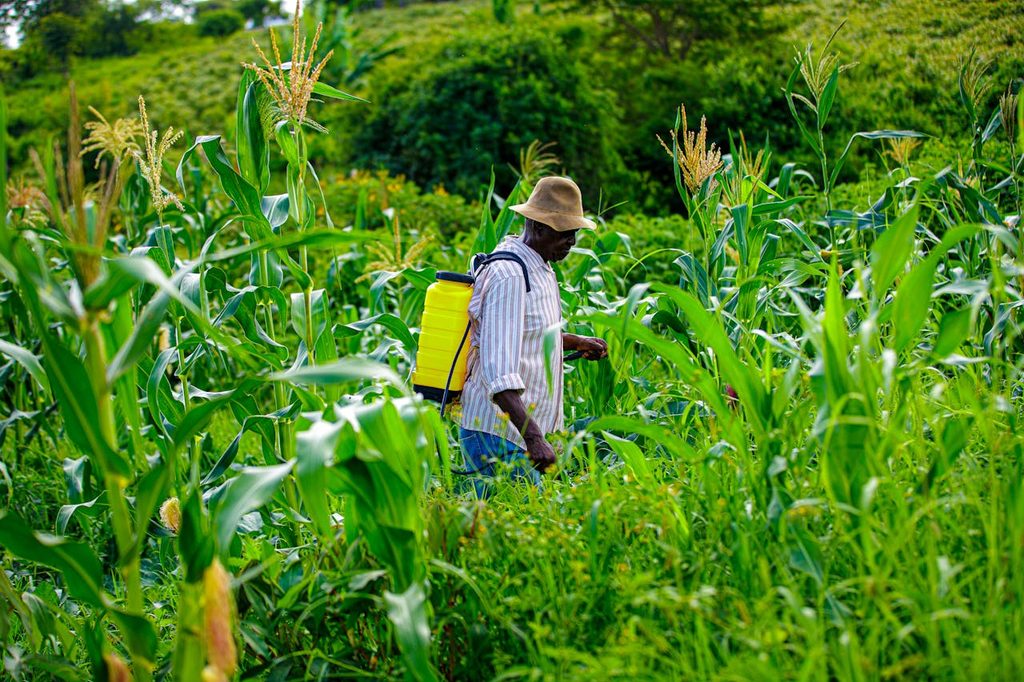
| Courtesy Emmanuel Museruka/ifpri.org
In response, prioritizing affordable and localized insurance models is a key focus ahead of the upcoming Financing Agri-Food Systems Sustainably 2026 summit. This summit aims to develop strategies to safeguard smallholders, who are responsible for producing 75% of the nation’s food supply.
Index-based livestock insurance (IBLI) has emerged as a particularly effective tool, especially for pastoralist communities in arid and semi-arid regions. It provides payouts based on predetermined weather indices, offering timely support without the need for traditional loss assessment.
FSD Kenya has been instrumental in supporting studies, regulations, and policies related to climate-related insurance, including bundled solutions. Their work aims to build climate resilience within the agricultural sector through innovative financial products.
The broader international community, including organizations like UNDP, also emphasizes the role of agricultural finance and insurance in building climate resilience. Protecting farmers through insurance can boost their investment in climate adaptation by up to 35%, enhancing overall productivity.
This growing demand for agri-insurance reflects a proactive approach by Kenyan farmers and policymakers to mitigate the devastating impacts of climate change. It signals a robust commitment to securing livelihoods and ensuring national food security in the face of an unpredictable climate.