
As the world accelerates toward renewable energy and electric mobility, sub-Saharan Africa has emerged as a critical supplier of the minerals needed to power the shift. These minerals, including cobalt, copper, lithium, manganese and graphite, are central to batteries, wind turbines, solar infrastructure and electric vehicles, placing the continent at the heart of the global green transition.
But a new study published in Nature reveals a troubling paradox where the very mining boom fueling climate solutions is also accelerating deforestation across some of Africa’s most ecologically sensitive landscapes.
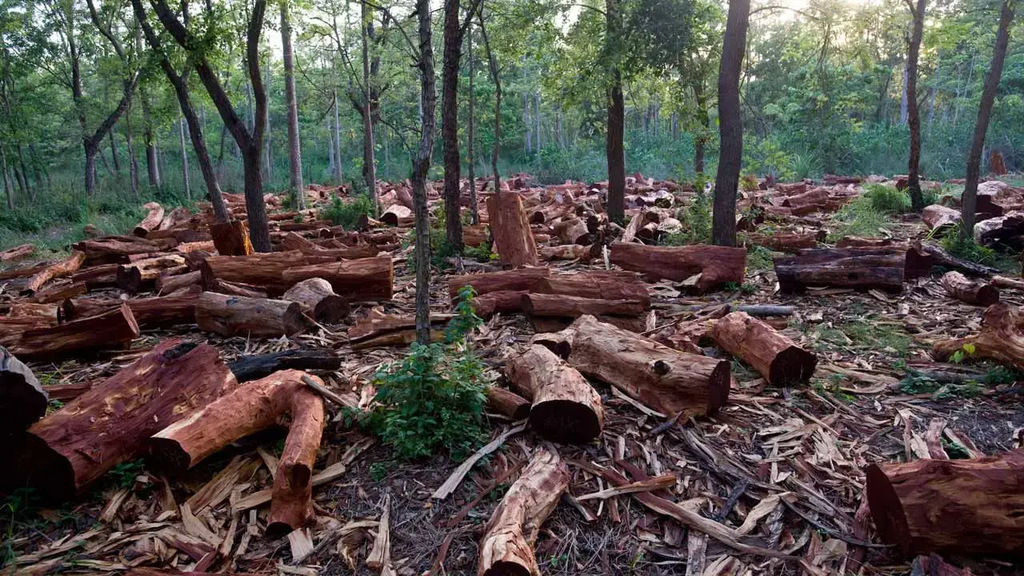
The study, which analysed more than 16,000 mining sites across sub-Saharan Africa, found that mining is responsible for far more forest loss than previously understood, not only through direct clearing, but through extensive indirect impacts that radiate far beyond mine boundaries.
While direct mining activity cleared an estimated 187,000 hectares of forest, researchers found that the broader ecological footprint is dramatically larger. For every hectare directly cleared, up to 34 hectares of surrounding forest were lost due to secondary pressures such as agricultural expansion, settlement growth, infrastructure development and increased human access to previously remote forest zones.
Deforestation impacts were strongest within one kilometre of mining sites, where forest loss increased by as much as 8 percentage points compared to similar unmined areas, but remained detectable up to 20 kilometres away.
The findings highlight a growing contradiction in the global climate agenda where the extraction of minerals essential for decarbonisation is itself contributing to environmental degradation and carbon emissions through land-use change.
Mines producing cobalt and copper, which are key inputs for electric vehicle batteries and clean energy technologies, were among those linked to the highest levels of surrounding deforestation.
This raises difficult questions for policymakers and industry leaders on whether global green transition can remain truly “green” if its supply chains are driving large-scale forest loss in biodiversity-rich regions like the Congo Basin and other tropical forest zones.
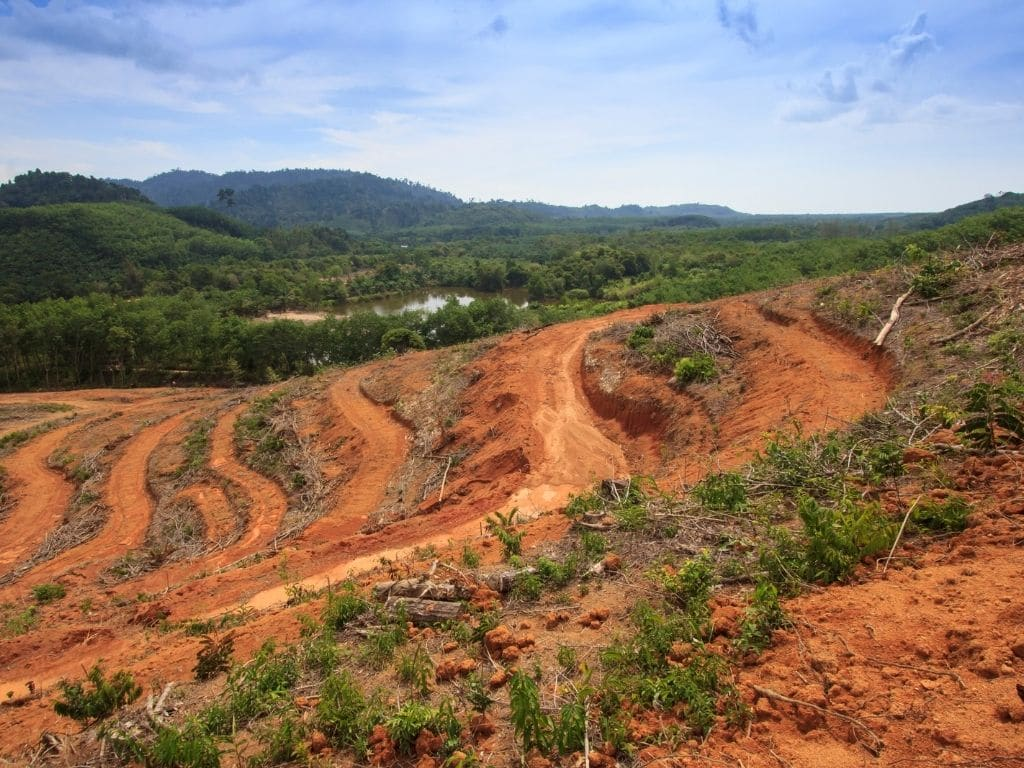
The study points to a chain reaction triggered by mining operations. Once a mine is established, it draws in workers, traders, transport networks and informal settlers. Roads open previously inaccessible forests, while local food demand drives agricultural expansion into forested land.
This means that what begins as an industrial extraction site often evolves into a broader land-use transformation, permanently altering ecosystems far beyond the mine pit.
Africa’s role in the green transition is therefore increasingly paradoxical. On one hand, its mineral resources are indispensable for reducing global reliance on fossil fuels. On the other, the extraction of these same resources is contributing to deforestation, biodiversity loss and long-term ecological fragmentation.
Environmental researchers warn that these dynamic risks shifting the environmental burden of decarbonisation onto forest-rich developing regions, even as the climate benefits are largely realised elsewhere.
The study calls for a broader definition of mining’s environmental footprint to include not only direct land clearing but also the cascading effects of settlement expansion and land conversion.
Experts argue that without stronger environmental governance, strategic land-use planning and stricter enforcement around mining corridors, Africa’s mineral boom could undermine the very climate goals it is meant to support.