

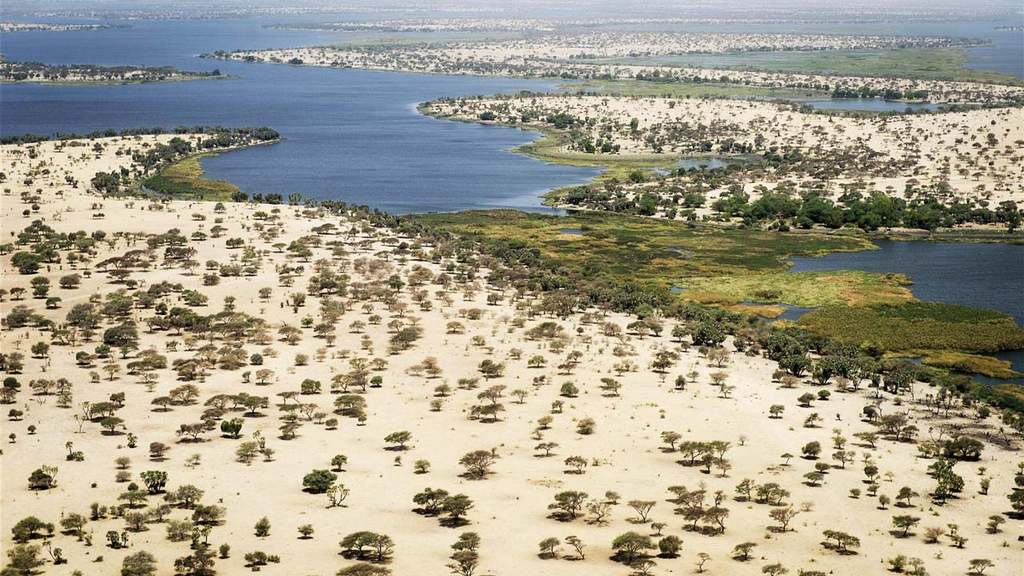

Every morning, fishermen on the shores of Lake Chad push their wooden boats farther and farther from home as what was once water becomes dry land.
In some places, villages that once sat along the lakeshore now stand kilometres away from the water’s edge. Farmers who depended on the lake’s fertile banks struggle to grow crops as herders travel longer distances in search of pasture. For millions of people across Chad, Nigeria, Niger and Cameroon, the shrinking lake is a daily reality.
Now, a bold and controversial proposal aims to change that reality by attempting something never before seen in Africa: redirecting water from one of the world’s largest river systems to rescue one of its most endangered lakes.
Engineers are proposing a colossal 2,400-kilometre canal that would carry water from the Congo River Basin in Central Africa to the rapidly disappearing Lake Chad.
If built, the project, known as Transaqua, would rank among the most ambitious engineering undertakings in human history, effectively redrawing part of Africa’s natural geography in an effort to save a lake that has become a symbol of the continent’s climate crisis.
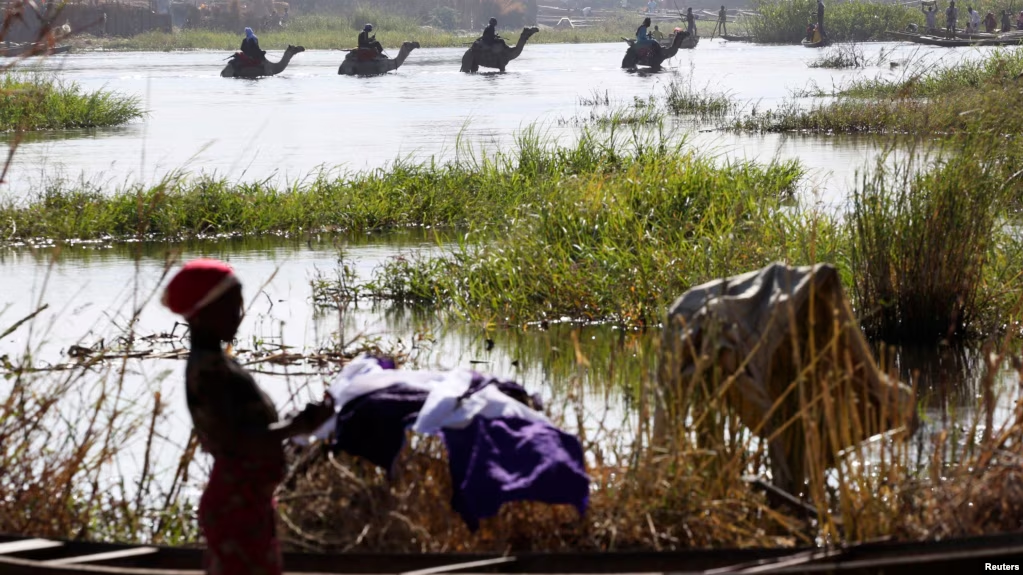
Half a century ago, Lake Chad stretched across roughly 25,000 square kilometres, making it one of Africa’s largest freshwater lakes. Today, it has lost nearly 90 percent of its surface area. Climate change, prolonged droughts, population growth and increasing demand for water have all contributed to its dramatic decline.
The shrinking lake has had far-reaching consequences. More than 40 million people depend on its waters for fishing, farming, livestock and household use. As the water retreated, so too did livelihoods. Poverty deepened, food insecurity worsened and competition over dwindling resources intensified across the region.
The US$50 billion Transaqua project, first conceived by Italian engineers in the 1980s, would divert a small portion of water flowing through tributaries of the mighty Congo River and channel it northward through the Central African Republic before releasing it into Lake Chad.
Supporters see the idea as a once-in-a-generation opportunity to revive the lake and transform the economies of some of Africa’s poorest regions.
Beyond restoring water levels, advocates believe the canal could create a vast economic corridor supporting irrigation, electricity generation, inland transport and trade. Some even envision cargo vessels navigating the new waterway, opening up landlocked regions to international markets.
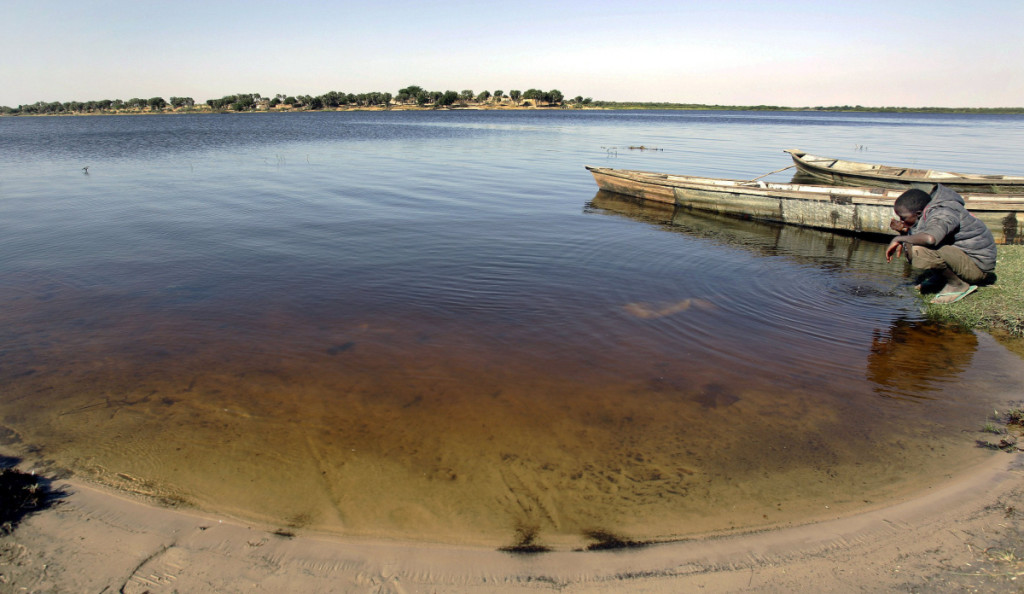
The project gained fresh attention when Chinese infrastructure giant PowerChina signed an agreement with the Lake Chad Basin Commission in 2016 to explore its feasibility.
The Democratic Republic of the Congo, home to the Congo River, has expressed concerns about the proposal, arguing that any decision affecting the river should involve countries within the basin. Environmental groups have also raised alarms.
The Congo Basin contains the world’s second-largest tropical rainforest after the Amazon and supports countless species of plants and animals. Scientists warn that altering river flows could have unintended consequences for ecosystems, fisheries and rainfall patterns across Central Africa.
Critics question whether solving one environmental crisis could create another. The debate highlights a growing dilemma facing Africa as climate change accelerates. Should countries pursue mega-engineering projects to adapt to a warming world, or should they focus on restoring ecosystems and improving local water management?
International partners are instead supporting smaller projects aimed at improving governance and sustainable water management around Lake Chad. Recent funding from the European Union and Germany has focused on strengthening resilience rather than digging a continent-spanning canal.
But as temperatures rise and droughts become more frequent across the Sahel, the idea refuses to disappear. For the fishermen pushing their boats across an ever-expanding stretch of dry land, the debate is about whether the lake that sustained generations can survive long enough to sustain the next.


Great article. The most critical action should be addressing the root cause of the problem. This will ensure sustainability of the solution.
Overall, let us love the environment and it will love us back.