
The likelihood of an El Niño event developing in the coming months has risen sharply to 82%, according to the latest forecast from the United States’ National Oceanic and Atmospheric Administration (NOAA).
In its latest ENSO (El Niño-Southern Oscillation) outlook, NOAA’s Climate Prediction Center said El Niño is “likely to emerge soon” during the May–July period. Forecasters place the probability of the event continuing into December–February of 2027 at 96%.
The updated outlook marks a significant increase in confidence compared to earlier forecasts issued at the beginning of the year, reflecting rapid warming observed across the equatorial Pacific Ocean.
Scientists say ocean temperatures in key monitoring regions are steadily approaching El Niño thresholds, while large pools of unusually warm water beneath the ocean surface continue to expand.
Currently, the tropical Pacific remains in an ENSO-neutral state, meaning neither El Niño nor La Niña conditions are officially present. However, NOAA says atmospheric and oceanic indicators increasingly point toward a transition to El Niño in the coming weeks.
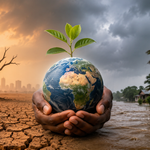
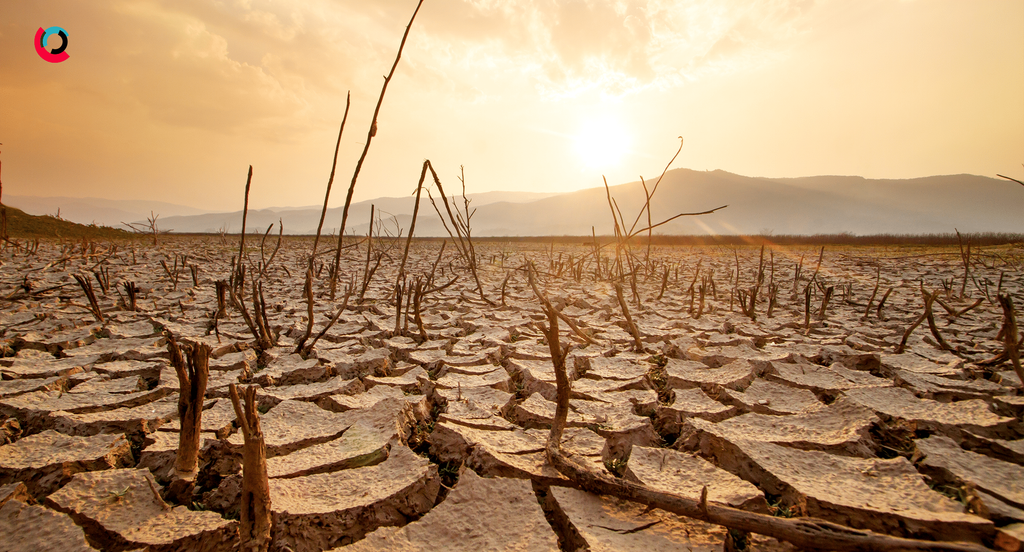
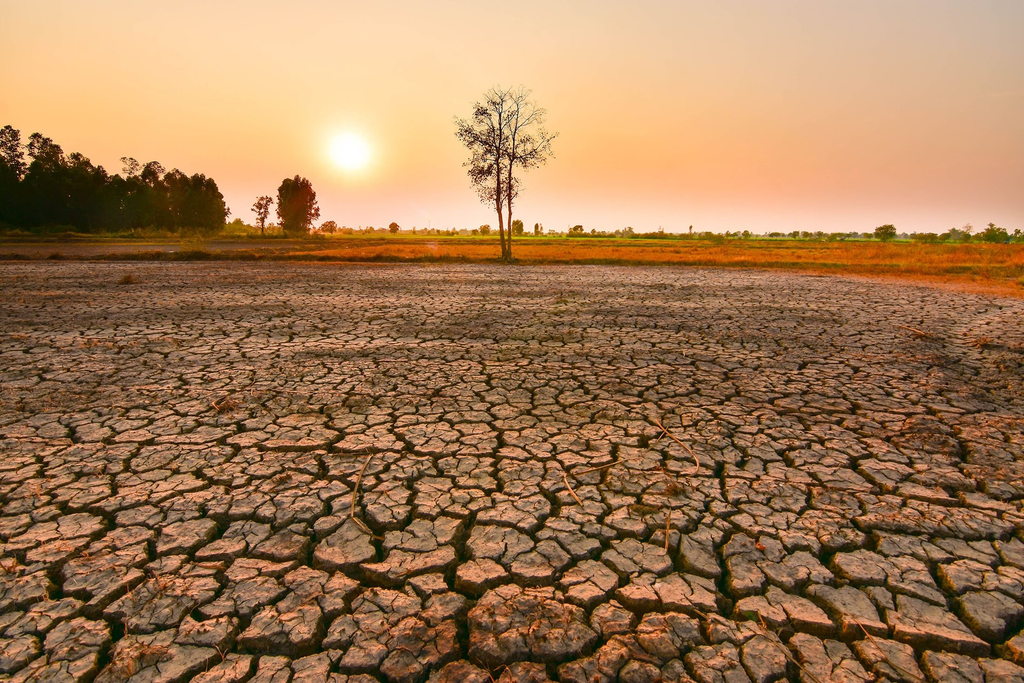
El Niño is a naturally occurring climate phenomenon characterized by warmer-than-average sea surface temperatures in the central and eastern tropical Pacific Ocean. It influences weather patterns worldwide, often triggering droughts in some regions while causing floods and storms in others.
The World Meteorological Organization (WMO) has also warned that the anticipated return of El Niño could amplify global climate impacts already being intensified by human-induced climate change.
While forecasters are increasingly confident that El Niño will develop, uncertainty remains regarding how strong the event will become, although there is roughly a two-in-three chance the event could strengthen into a strong or very strong El Niño later in the year.
Several climate models suggest the developing event could become one of the strongest observed in recent decades. Some forecasts indicate Pacific Ocean temperatures could rival levels seen during the powerful El Niño episodes of 1997–98 and 2015–16, both of which triggered widespread economic losses, crop failures, floods, droughts and record global temperatures.
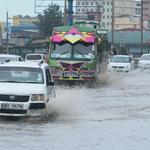
For Africa, the development of El Niño will be closely monitored because it influences seasonal rainfall. Previous El Niño events have been associated with drought conditions in parts of southern Africa and unusually heavy rainfall and flooding in sections of East Africa.
Climate experts say governments should begin strengthening early warning systems and preparedness measures as forecasts become clearer in the coming months.
The emerging El Niño also comes against a backdrop of record-breaking global temperatures. Scientists warn that the combination of a warming planet and a potentially strong El Niño could push global temperatures to new highs between 2026 and 2027, increasing the likelihood of heatwaves, wildfires, water shortages and agricultural disruptions worldwide.