


By Waweru Wairimu
Environmental organisations The Green Belt Movement and Just Act have moved to court to challenge a recent amendment to Kenya’s forest law, warning that it could open the door to the gradual loss and fragmentation of public forests across the country.
In a petition filed before the Environment and Land Court in Nairobi, the two organisations are contesting the constitutionality of amendments to Section 56(2) of the Forest Conservation and Management Act.
They argue that the changes grant the Kenya Forest Service (KFS) broad powers to issue easements for public roads, utilities and other installations through public forests without sufficient constitutional safeguards.
According to the petitioners, the amendment, although presented as an administrative measure, could facilitate the fragmentation, excision and degradation of protected forests through administrative decisions rather than through the more rigorous legal processes previously required.
The organisations cited the ongoing controversy surrounding Imenti Forest in Meru County as evidence of the risks posed by the amendment.
Conservationists have opposed plans for the construction of an airstrip within the forest, arguing that the project threatens one of Kenya’s critical water towers and biodiversity habitats.
The petition also points to continued pressure on Nairobi’s Ngong Road Forest, where conservation groups have repeatedly resisted infrastructure projects and encroachment that they say have steadily reduced forest cover and ecological integrity.
“This case is not about a single amendment. It is about safeguarding Kenya’s public forests from the continued erosion of legal protections,” the organisations said in a joint statement issued on June 15.
They warned that once forests are fragmented, the damage is often irreversible, resulting in biodiversity loss, degraded water catchments, disrupted ecosystems and weakened resilience to climate change.
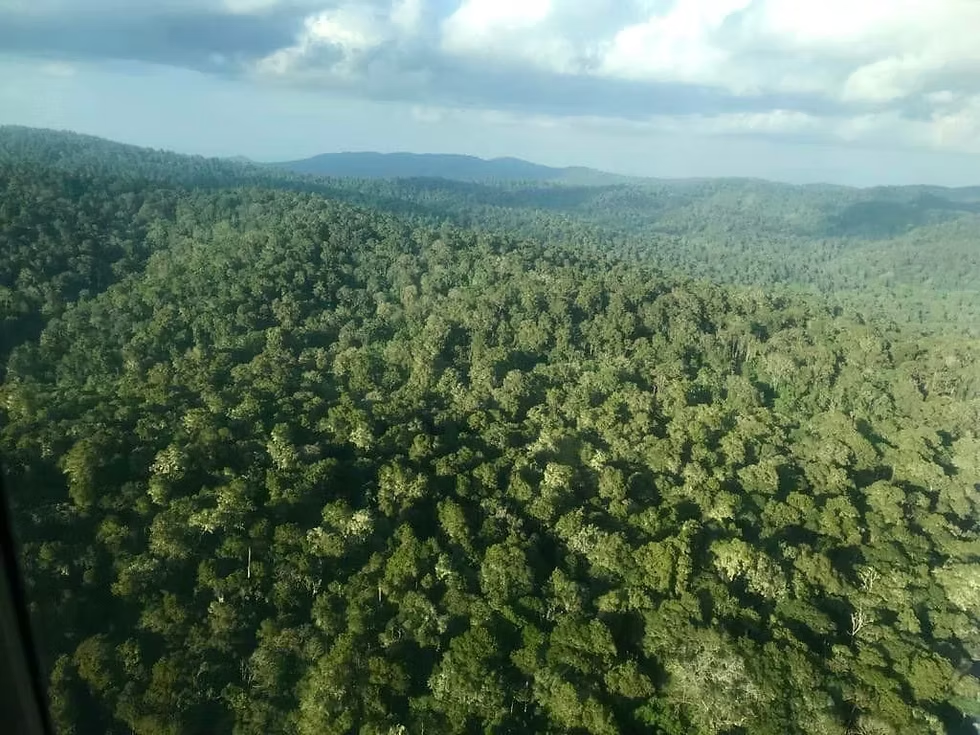
The groups argue that the Constitution guarantees every Kenyan the right to a clean and healthy environment and places an obligation on the State to protect and conserve the environment for present and future generations.
They further contend that public forests are part of the country’s national heritage and should not be subjected to what they describe as “unchecked administrative discretion” without meaningful public participation, transparency and accountability.
The court action comes amid growing concern among environmental groups over the Forest Conservation and Management (Amendment) Act, 2025, which introduced provisions allowing KFS to grant easements and wayleaves through public forests. Critics say the changes could effectively bypass stricter procedures that previously governed the excision or conversion of forest land.
Conservationists have increasingly raised alarms over attempts to allocate or develop portions of protected forests, arguing that Kenya’s remaining natural forests are essential for water security, biodiversity conservation and climate adaptation.
The Green Belt Movement and Just Act said the case seeks to prevent what they described as the normalisation of forest loss through incremental approvals for roads, power lines, pipelines and other infrastructure projects within public forests.
They called on citizens, civil society organisations and public institutions to remain vigilant and demand accountability in decisions affecting public land and natural heritage.
“Protecting forests is not only an environmental obligation but a safeguard for our water, climate resilience, biodiversity and future generations,” the organisations said.
The case is expected to test the legality of the government’s new approach to managing public forests and could have significant implications for future infrastructure projects proposed within protected forest ecosystems across Kenya.