
The ongoing construction of an airstrip inside the Upper Imenti Forest Reserve in Meru County could sever critical elephant migration routes, disrupt breeding grounds and jeopardise one of Kenya’s richest biodiversity hotspots, conservation organisation Rhino Ark has warned.
In a formal objection submitted to the National Environment Management Authority (NEMA), Rhino Ark has called for the immediate suspension of the airstrip project, arguing that it poses a serious threat to wildlife populations within the Mount Kenya ecosystem, particularly elephants that depend on the forest as a refuge during the dry season.
The organisation says the airstrip is being constructed in an ecologically sensitive section of the Upper Imenti Forest without an Environmental and Social Impact Assessment (ESIA), public participation or a NEMA licence.
At the centre of Rhino Ark’s concerns is the location of the proposed airstrip. According to the conservation group, the site lies within one of Mount Kenya’s most important elephant habitats and is situated near a known elephant maternity area where females give birth and raise calves.
The forest also forms part of a vital wildlife corridor linking Mount Kenya to rangelands and conservation areas in northern Kenya. Conservationists warn that increased aircraft activity, road construction, human presence and associated infrastructure could disrupt elephant movement patterns that have existed for generations.
“Upper Imenti supports one of the highest concentrations of elephants on Mount Kenya during the dry season,” Rhino Ark said in its submission.
Population surveys conducted by the Wildlife Conservation Society, Kenya Wildlife Service, Mount Kenya Trust and Rhino Ark estimate that Mount Kenya is home to between 1,900 and 2,600 elephants. The animals play a crucial ecological role by dispersing seeds, opening forest pathways and maintaining ecosystem health.
Conservationists fear that disturbing key elephant habitats could have cascading impacts across the wider ecosystem.
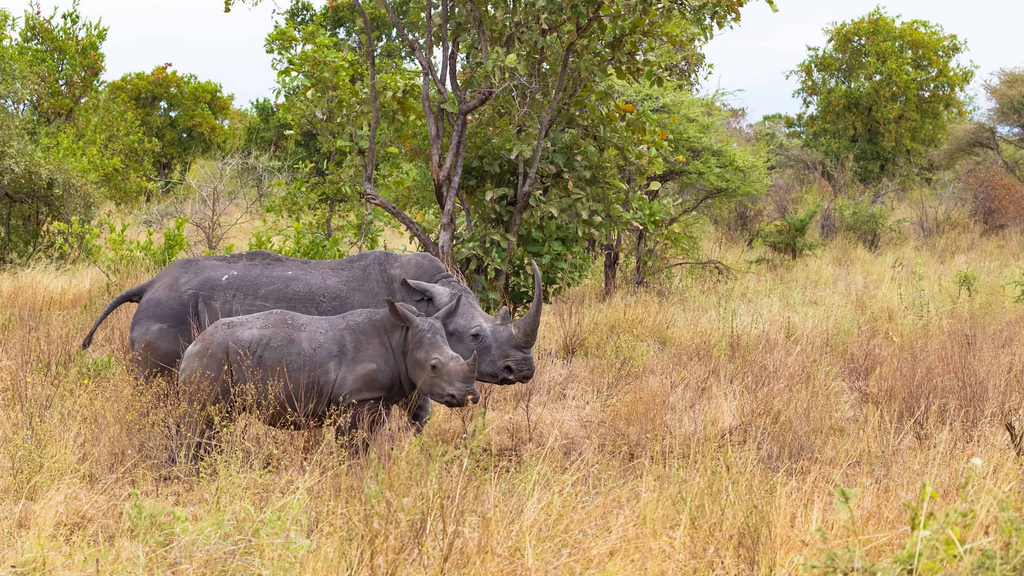
Beyond elephants, Rhino Ark says the proposed airstrip threatens a globally significant biodiversity landscape. Mount Kenya hosts more than 880 recorded plant species, including 81 species found nowhere else on Earth. The ecosystem also supports endangered wildlife such as black rhinos, bongos and leopards, alongside numerous forest-dependent bird species.
The mountain is internationally recognised as an Important Bird Area and a biodiversity hotspot whose ecological value extends far beyond Kenya’s borders.
Rhino Ark warned that decades of investment in wildlife conservation could be undermined by the project. Over the past 14 years, the organisation has invested more than Sh1 billion in protecting the Mount Kenya ecosystem, including the construction of 54 kilometres of electric fencing around Upper and Lower Imenti forests to reduce human-wildlife conflict, curb illegal forest activities and secure critical habitats.
Conservationists argue that building major infrastructure in the heart of a protected forest risks reversing those gains.
The organisation also questioned the need for a new airstrip inside a protected ecosystem when Gaitu Airstrip already exists about 14 kilometres from Meru Town. Rhino Ark says upgrading the existing facility would provide aviation access without sacrificing critical wildlife habitat.
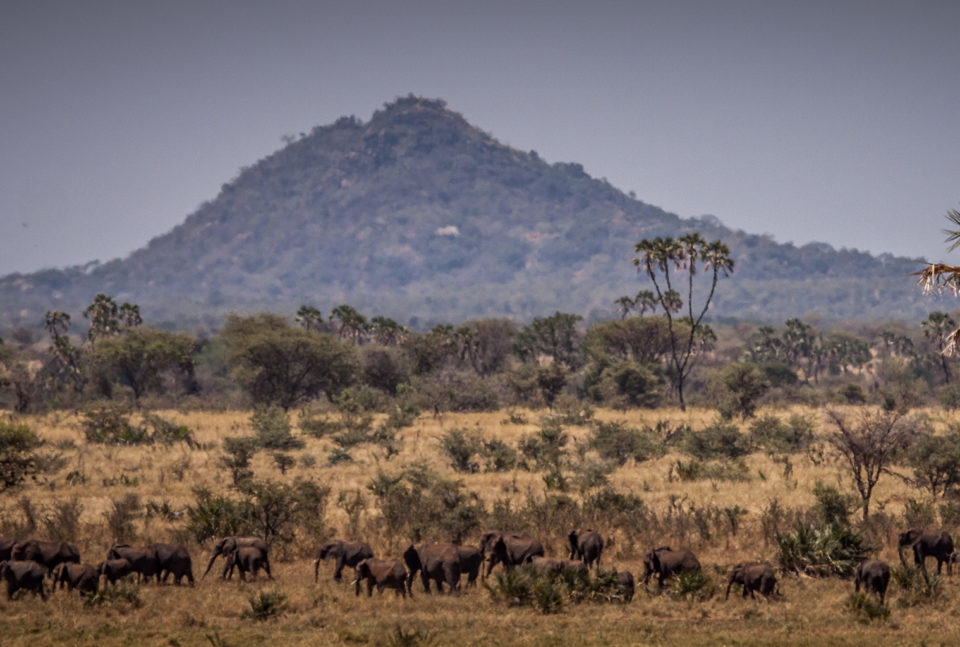
While the debate has largely focused on forest clearing and legal compliance, environmental groups increasingly argue that the bigger issue is the long-term fragmentation of wildlife habitat.
Large mammals such as elephants require extensive, connected landscapes to move between feeding grounds, breeding areas and seasonal refuges. Scientists have long warned that infrastructure developments that cut through wildlife corridors can isolate populations, increase human-wildlife conflict and undermine conservation efforts.
The Upper Imenti Forest forms part of the wider Mount Kenya ecosystem, a UNESCO World Heritage Site and one of Kenya’s most important conservation landscapes. It also serves as a critical ecological buffer supporting water catchments that feed the Tana and Ewaso Nyiro river systems.
Rhino Ark further argues that the project contradicts Kenya’s environmental and climate commitments, including the National Climate Change Action Plan, the Forest Conservation and Management Act, Vision 2030 and the country’s obligations under the Paris Agreement.
“The airstrip under construction will contribute to, instead of combating, climate change by causing deforestation and forest degradation,” the organisation stated.
The opposition extends beyond Rhino Ark. Conservation organisations, including the Conservation Alliance of Kenya, Mount Kenya Trust, the Wildlife Conservation Society and Nature Kenya have previously raised concerns over developments that threaten protected forests, wildlife corridors and Important Bird Areas. Community forest associations and environmental activists have also voiced alarm over forest clearing linked to the project.
The controversy comes amid growing scrutiny of infrastructure developments within protected ecosystems. Conservation groups have previously challenged proposals affecting forests such as Karura, Ngong Road Forest, South Western Mau, Eastern Mau and parts of the Aberdare ecosystem, arguing that encroachment threatens Kenya’s biodiversity and climate resilience goals.
Critics warn that permitting an airstrip inside Upper Imenti Forest could establish a dangerous precedent for future infrastructure projects in protected forests and wildlife habitats across the country.
By the time of publication, NEMA had not publicly responded to Rhino Ark’s objections.