
Climate change, worsening air pollution and rapid urbanisation are driving a surge in allergic diseases across Africa, prompting health experts to call for urgent action to strengthen allergy care and build climate-resilient health systems.
As the continent marks World Allergy Week 2026 from June 21 to 27 under the theme “Allergy Care is Essential Care,” the African Alliance for Allergy and Clinical Immunology has warned that millions of Africans are increasingly exposed to environmental conditions that heighten the risk of asthma, eczema, allergic rhinitis and other allergic diseases.
Health specialists say changing weather patterns, rising temperatures, prolonged droughts, floods, dust storms and growing levels of air pollution are altering the distribution and intensity of allergens, creating new public health challenges across the continent.
“Allergic diseases are among the most common chronic conditions in the world and Africa is not exempt. What is different here is the system around the patient,” said Professor Mike Levin, founding president of AFRICALLI and head of paediatric allergy at the University of Cape Town.
Experts say climate change is an emerging health crisis. Rising temperatures can lengthen pollen seasons, while changing rainfall patterns influence the growth of moulds and other allergens. Increased air pollution from traffic, industries, open waste burning and wildfire smoke can also worsen respiratory illnesses and trigger severe asthma attacks.
Across Africa, healthcare professionals are reporting growing numbers of children and adults diagnosed with asthma, eczema, food allergies and allergic rhinitis. The increase coincides with rapid urban growth, environmental degradation and declining air quality in many cities.
In Kenya, asthma remains one of the most common chronic respiratory diseases, affecting thousands of children and adults. Yet many patients struggle to access inhalers consistently, while specialist allergy services remain concentrated in urban centres.
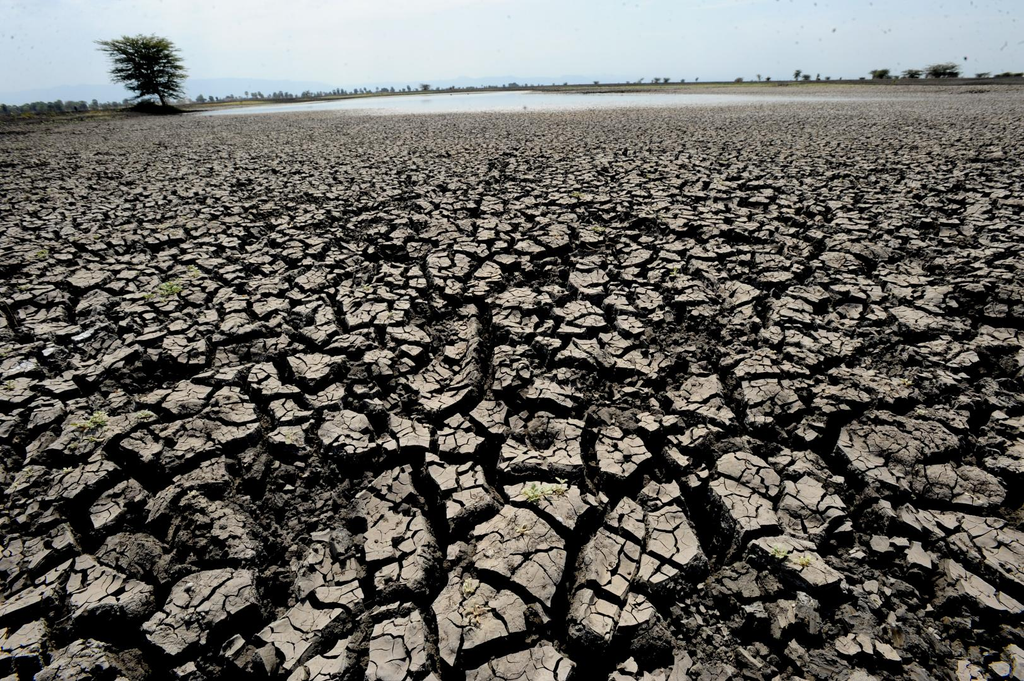
Health experts warn that climate-related events such as dust storms, prolonged dry spells and flooding could further aggravate respiratory conditions. Floods often create damp conditions that encourage mould growth in homes and schools, while droughts increase airborne dust particles that can trigger allergic reactions.
Food allergies are also becoming a growing concern, particularly among children. However, limited awareness among parents, schools and healthcare providers means many cases remain undiagnosed or are mistaken for other illnesses.
The burden extends beyond allergies. Immunologic disorders, including inherited immune deficiencies, frequently go undetected due to limited diagnostic capacity across the region.
According to AFRICALLI, allergic and immunologic diseases contribute to school absenteeism, reduced workplace productivity and avoidable hospital admissions. In severe cases, they can lead to life-threatening emergencies such as anaphylaxis.
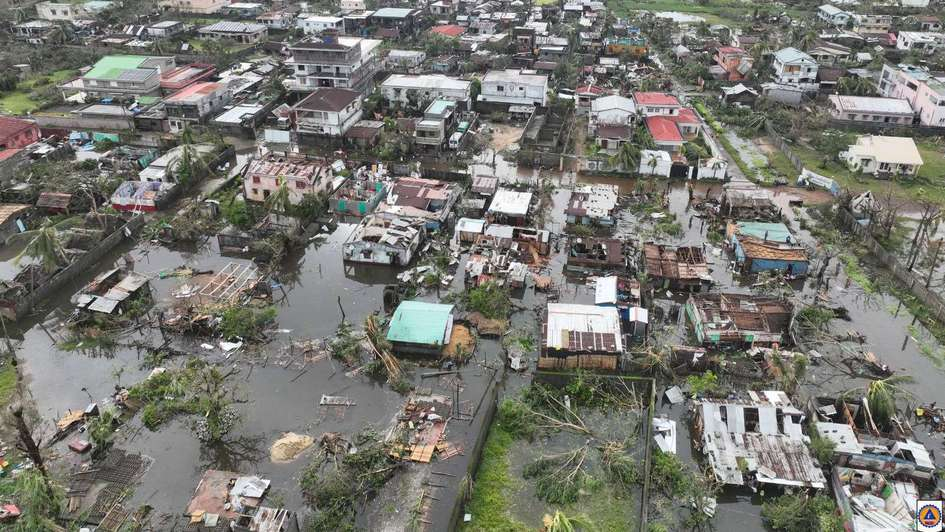
For vulnerable populations already facing climate-related health risks, the consequences can be significant. Children with poorly controlled asthma may be more susceptible to worsening air quality, while families affected by floods and poor housing conditions may face greater exposure to mould and other environmental allergens.
Kenya has emerged as a regional leader in allergy advocacy and specialist training through the efforts of the Allergy Society of Kenya (ASK) and local medical professionals.
Dr Evelyn Nganga, President of ASK and AFRICALLI Vice President for Communication and Member Engagement, said stronger investment in allergy services would improve health outcomes and help communities adapt to emerging climate-related health threats.
“When allergies are properly diagnosed and managed, people are safer medically and can live, learn and work with greater confidence. That is achievable if we treat allergy as essential care, invest in medical professionals and listen to patients,” she said.
Currently, many healthcare workers receive limited formal training in allergy diagnosis and management. Access to essential diagnostic tools such as spirometry and allergy testing remains limited in many parts of Africa.
To address the growing challenge, AFRICALLI is urging governments to integrate allergy and clinical immunology services into national health strategies while recognising the links between environmental change and public health.
The alliance is also calling for expanded specialist training, improved access to diagnostic tools and medicines, stronger food-labelling regulations and increased investment in African research.
Researchers say better data is needed to understand how climate change, biodiversity loss, pollution and urbanisation are influencing allergic diseases across different regions of Africa.
Historically, health systems have focused largely on infectious diseases such as malaria, tuberculosis and HIV/AIDS. However, experts warn that non-communicable diseases linked to environmental and climate pressures are becoming an increasingly significant burden.
As African countries invest billions in climate adaptation and resilience programmes, public health specialists argue that allergy care should be recognised as part of climate adaptation planning.
“Climate change is reshaping the health risks facing African communities,” health experts say. “Strengthening allergy care, improving air quality and reducing environmental pollution are part of the same response to a changing climate.”
AFRICALLI is calling for coordinated action among governments, health institutions, researchers, educators, environmental agencies and the media to ensure that allergy care becomes an accessible and essential component of Africa’s response to climate change.