
Kenya has announced approximately 42 commitments valued at an estimated Sh129 billion as the first-ever African edition of the Our Ocean Conference concluded in Mombasa.
The commitments span a wide range of initiatives, including the expansion of marine protected areas, enhanced fisheries monitoring, and the mobilization of climate finance to support coastal communities and strengthen resilience to climate change.
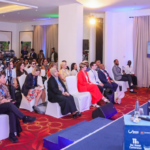
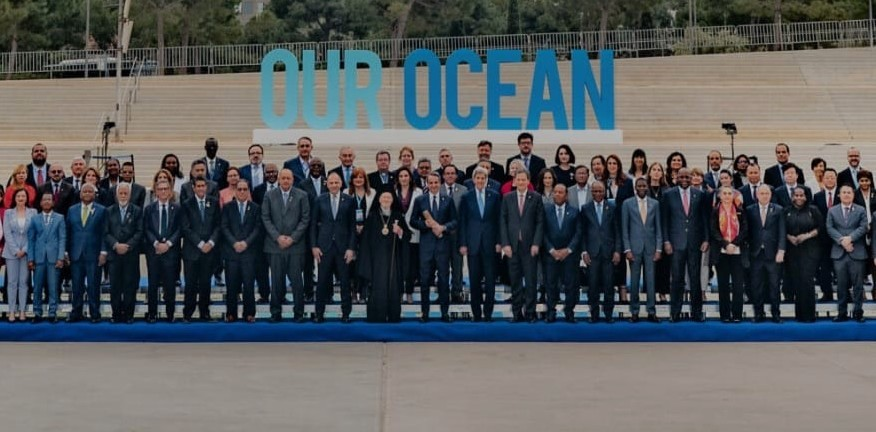
The four-day summit brought together more than 5,000 participants from governments, businesses, academia and civil society across the globe, resulting in 320 new commitments valued at Sh825.6 billion to advance marine conservation, sustainable fisheries, climate resilience and blue economy development.
Among Kenya’s most significant pledges was a Sh25.8 billion commitment to equip all industrial fishing vessels operating in its waters with electronic monitoring systems. The initiative is aimed at improving transparency and combating illegal, unreported and unregulated (IUU) fishing, a challenge estimated to cost African economies between Sh1.4 trillion and Sh1.7 trillion annually through lost revenue, depleted fish stocks and weakened coastal livelihoods.
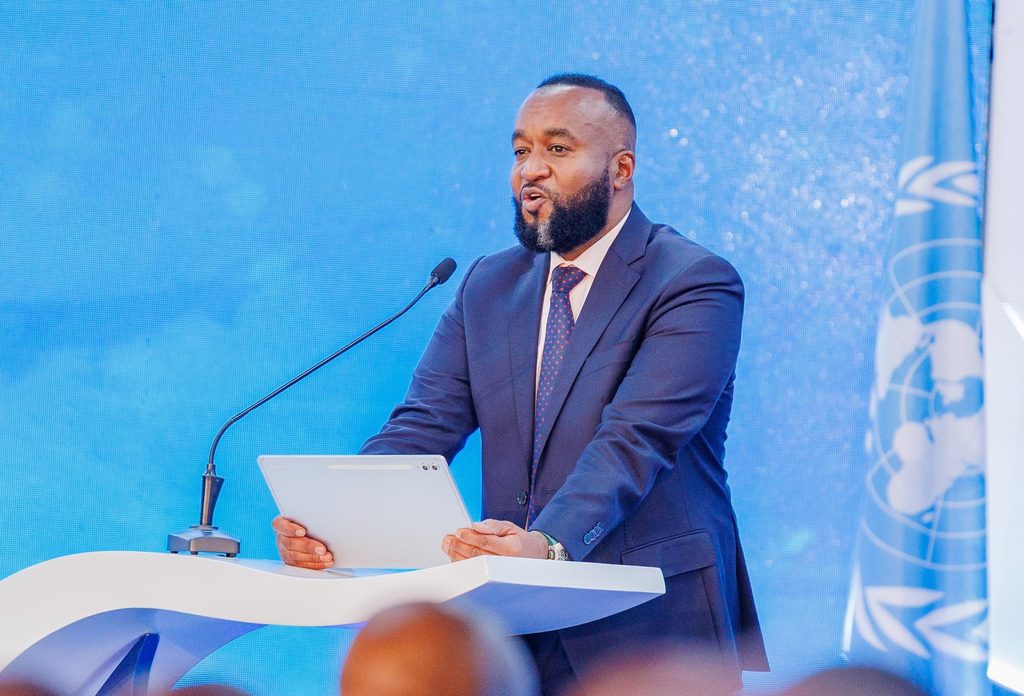
“This conference is about turning words into commitments, commitments into action, and action into a legacy we can be proud of,” said Kenya’s Cabinet Secretary for Mining and Blue Economy, Hassan Ali Joho.
Beyond Kenya’s commitments, major international partners announced substantial investments in ocean sustainability. The World Bank Group pledged Sh129 billion over the next two years to help developing countries build sustainable and resilient blue economies, reflecting growing recognition of the link between ocean health and economic prosperity.
Canada committed Sh87.9 billion to its Small Craft Harbours Program to strengthen coastal infrastructure, fishing activities and local economies. Meanwhile, French Polynesia announced plans to expand protections within Tainui Atea, the world’s largest marine protected area, through the creation of more than 27,000 square kilometres of regulated fishing zones, coastal protection areas and seamount conservation measures.
The conference marked a significant moment for Africa’s growing influence in global ocean governance. Home to 38 coastal and island states and more than 13 million square kilometres of exclusive economic zones, the continent possesses vast marine resources but has historically relied on external financing and policy leadership for ocean conservation initiatives.
However, that trend is beginning to shift as data released by the World Resources Institute (WRI) showed that about 78 percent of commitments made in Africa since the launch of the Our Ocean Conference in 2014 have either been completed or are currently being implemented. The 2026 conference further highlighted a growing move towards African-led financing, innovation and implementation.
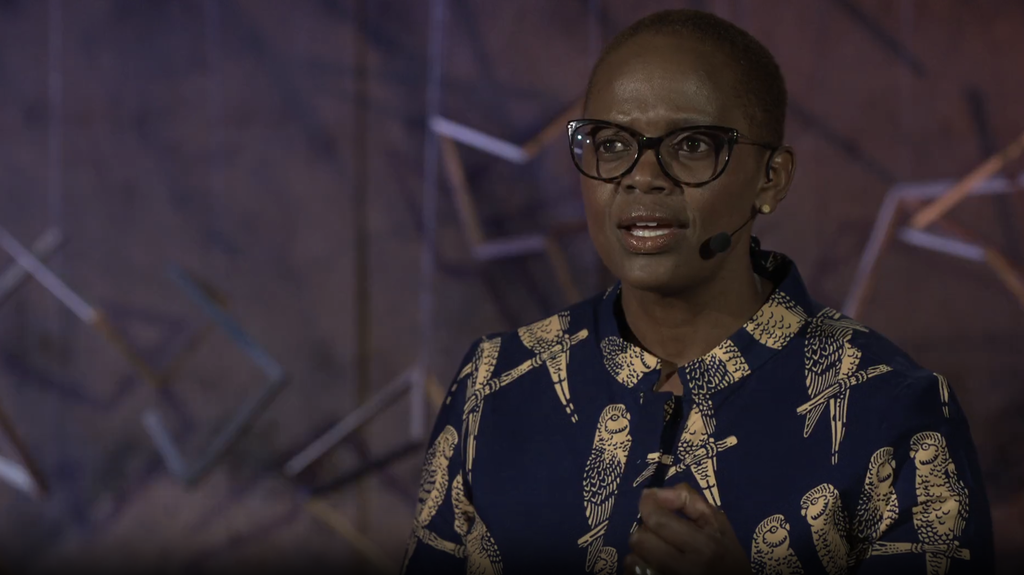
Wanjira Mathai, Managing Director for Africa and Global Partnerships at WRI, said investments in ocean conservation are progressively being viewed as investments in economic growth and opportunity.
“Africa is home to the world’s youngest and fastest-growing population, with more than 400 million people between the ages of 15 and 35, and for many young Africans, the ocean is not just an environmental issue, but a source of jobs, food security and economic opportunity,” she said.
Youth engagement emerged as one of the defining themes of the Mombasa summit. Held alongside the main conference, the Youth Leadership Summit brought together young scientists, entrepreneurs, innovators and activists from Kenya and beyond to showcase solutions addressing marine pollution, biodiversity loss and climate change.
Among the standout initiatives were youth-led mangrove restoration projects aimed at strengthening coastal resilience, protecting biodiversity and supporting local livelihoods while contributing to Kenya’s national environmental and climate targets.