
By Waweru Wairimu
The Cabinet has approved the establishment of an Ad Hoc El Niño Committee to strengthen Kenya’s preparedness and response to climate-related disasters, as global climate agencies warn that El Niño conditions have developed and are expected to strengthen through the end of 2026.
The committee will coordinate government agencies responsible for weather forecasting, disaster risk management, public health, infrastructure, water resources and humanitarian response in anticipation of the impacts associated with El Niño, which typically increases the likelihood of above-average rainfall across parts of East Africa.
According to the latest outlook from the U.S. National Oceanic and Atmospheric Administration (NOAA), El Niño conditions are already present and are expected to intensify into the Northern Hemisphere winter, with forecasts indicating a high probability of a strong event later this year.
Although the exact impacts on Kenya will depend on regional weather patterns and seasonal forecasts issued by the Kenya Meteorological Department, a strong El Niño historically raises the risk of flooding, landslides, flash floods, infrastructure damage and outbreaks of waterborne diseases in many parts of the country.
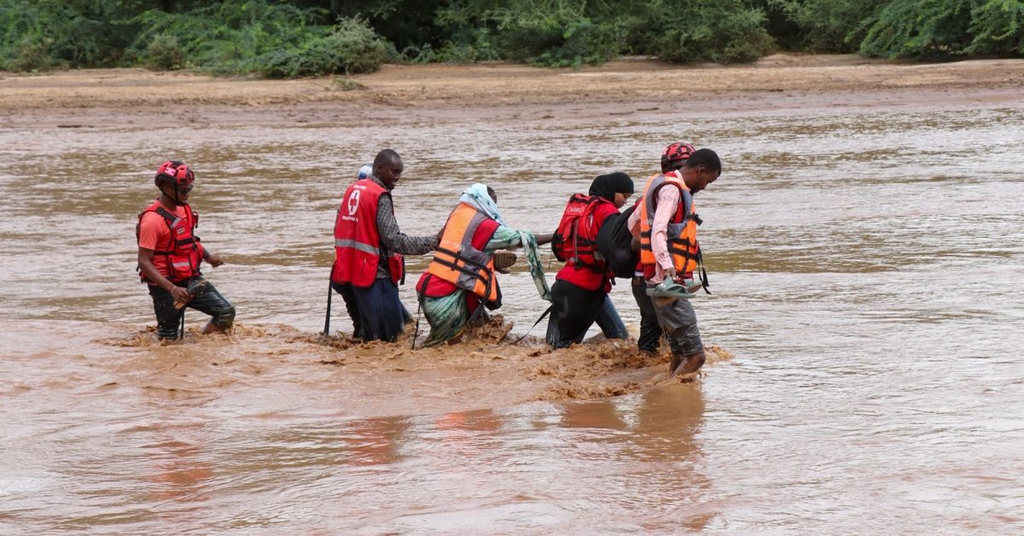
The Cabinet’s decision comes as Kenya seeks to avoid a repeat of the devastating 2023–2024 El Niño season, when torrential rains killed hundreds of people, displaced tens of thousands of families, swept away roads and bridges, destroyed crops and schools, and caused widespread economic losses.
The floods also triggered landslides in several counties and increased cases of cholera and other waterborne diseases as sanitation systems were overwhelmed.
The government’s response during the last El Niño included rescue operations by security agencies, evacuation of families from flood-prone areas, temporary closure of schools, distribution of relief food and non-food items, deployment of health workers, and rehabilitation of damaged infrastructure.
However, the response also drew criticism from humanitarian organisations, county governments and residents who argued that early warnings were not translated into timely action in many high-risk areas, leaving vulnerable communities exposed when floodwaters rose.
Climate and disaster risk experts have since called for stronger coordination among national and county governments, better enforcement of land-use regulations, protection of wetlands and river corridors, investment in drainage systems, and faster dissemination of early warning information.
The Ad Hoc El Niño Committee is expected to address many of those gaps by ensuring government agencies plan jointly before severe weather strikes. Its responsibilities are expected to include monitoring weather forecasts, coordinating emergency preparedness, pre-positioning relief supplies, identifying evacuation centres, protecting critical infrastructure and supporting public awareness campaigns.
Environmental experts say the committee also signals growing recognition that climate-related disasters are becoming a recurring development challenge rather than isolated emergencies.
As global temperatures continue to rise, scientists warn that El Niño events can interact with climate change to produce more intense rainfall and flooding in vulnerable regions.
The effectiveness of the committee, analysts say, will ultimately be judged by whether it can translate forecasts into action, moving from emergency response after disasters occur to preparedness that saves lives, protects livelihoods and reduces economic losses before the rains begin.