
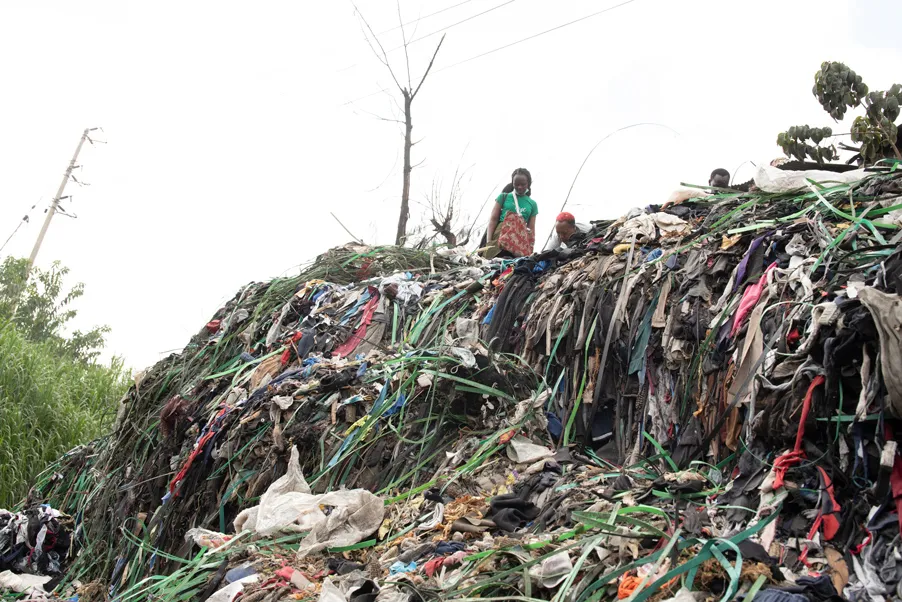

Waste pickers handling discarded second-hand clothes in Kenya earn low incomes despite playing a key role in recovering textiles for reuse, recycling and upcycling, a new study has found.
The study, Textile Reuse and Upcycling in Kenya: The Role of Waste Pickers, found that waste pickers who collect different types of waste earned an estimated average of KES 4,790 a month from selling recovered materials.
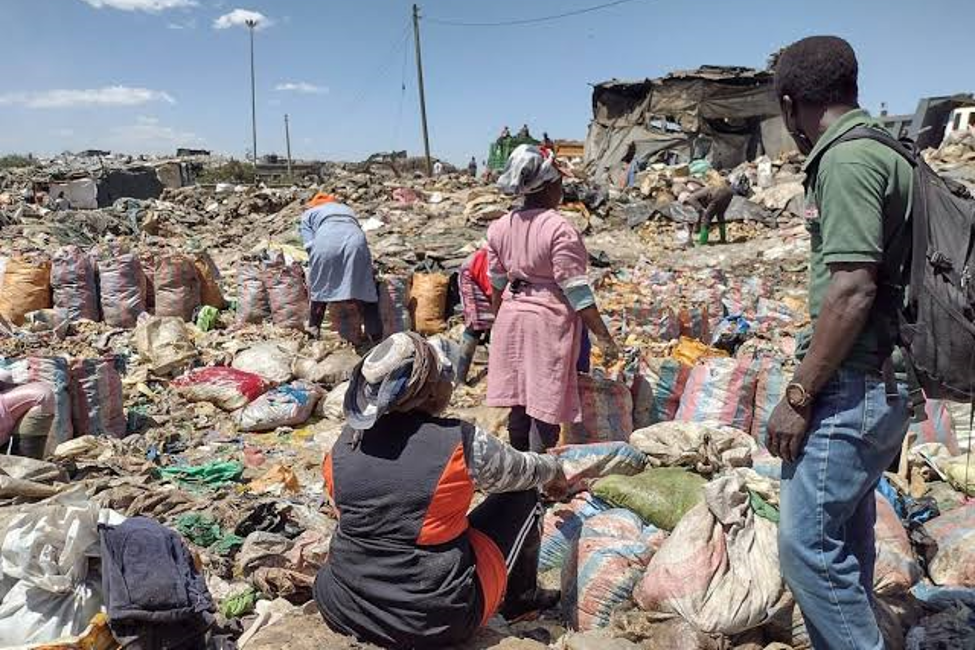
Those specialising in collecting unsold second-hand clothes at Nairobi’s Gikomba Market earned an average of Sh10,980 monthly from textile sales, tips and additional activities, including direct sales and upcycling.
The findings highlight the economic vulnerability of workers who help divert discarded clothing from dumpsites, rivers and other disposal sites, while exposing gaps in Kenya’s efforts to establish a circular economy for textiles.
The report, published the International Alliance of Waste Pickers, was authored by Pietro Luppi and Josphat Igadwa Mwasiagi.
At Gikomba, waste pickers collect clothing that traders cannot sell and channel it to second-hand retailers, tailors, cobblers, furniture makers and upcycling artisans.
Some garments are resold, while others are turned into wiping rags or used to stuff sofas and pillows. These activities recover value from materials that might otherwise be discarded.
However, materials that cannot be sold still pose a disposal challenge. Eighty per cent of respondents reported that such waste was taken to formal or informal dumpsites, 55 per cent reported dumping in rivers, and 40 per cent reported burning or disposal in open fields and roadsides.
The researchers documented discarded textiles along the Nairobi River near Gikomba during field visits.
The findings illustrate the limits of relying on informal recovery alone to address textile pollution as waste pickers can salvage reusable materials, but they have limited options for clothing that has no viable market.
The study also highlights a major gap in Kenya’s understanding of textile waste since the country has no reliable national estimate of how much is generated.
The researchers argue that unsold clothing should not automatically be classified as waste, saying that reliable measurement must follow garments through the supply chain to establish what is reused, recovered, abandoned, burned or buried.
Kenya’s Sustainable Waste Management Act of 2022 and the Extended Producer Responsibility Regulations of 2024 provide a framework for managing waste and assigning responsibility to producers and importers.
The regulations place textiles within the extended producer responsibility system, requiring producers, including importers, to register with the National Environment Management Authority (NEMA) and establish or join compliance schemes. These schemes are intended to finance and organise the management of products at the end of their useful lives.
However, the report finds that waste pickers remain largely unrecognised in the legislation, despite their role in collection, sorting and recovery.
It identifies gaps in compensation standards, occupational health protections, representation and access to the formal waste management system. Without clear rules on how workers should be engaged and paid, the researchers warn, producer responsibility schemes could leave them vulnerable to exploitation.
The study proposes integrating waste pickers into formal recovery arrangements and ensuring that they receive payment for the collection and management of discarded textiles, rather than relying solely on income from selling recoverable materials.
It also recommends better data collection across the supply chain, stronger controls to prevent textile waste from being mixed into imported clothing bales, and improved coordination between market traders, waste pickers, artisans, county governments and producer responsibility organisations.
The researchers argue that the success of Kenya’s circular-economy ambitions will depend not only on increasing textile recovery but also on recognising the workers who make that recovery possible.