
By Sammy Kimatu
More than 3,000 learners attending schools and training institutions run by the Mukuru Promotion Centre (MPC) in Nairobi could be exposed to flooding as illegal dumping, encroachment and interference with the course of Ngong River heighten concerns ahead of forecast El Niño rains.
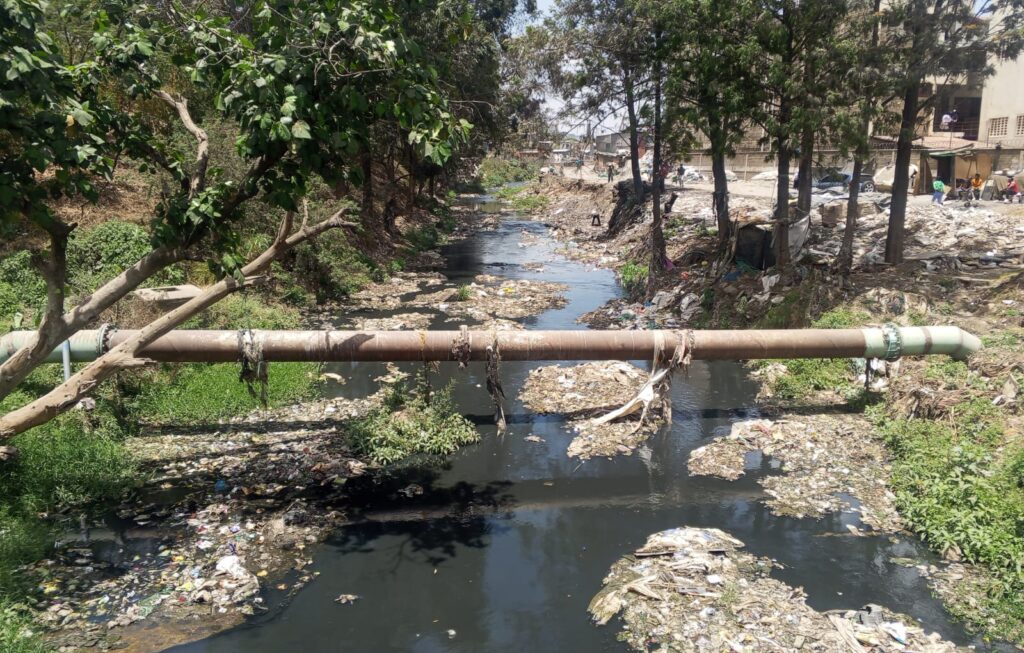
The religious organisation, run by the Sisters of Mercy, Kenya Chapter, says human activities along the river have pushed water closer to its learning institutions, raising fears that heavy rainfall could cause flooding, damage school infrastructure and put children’s lives at risk.
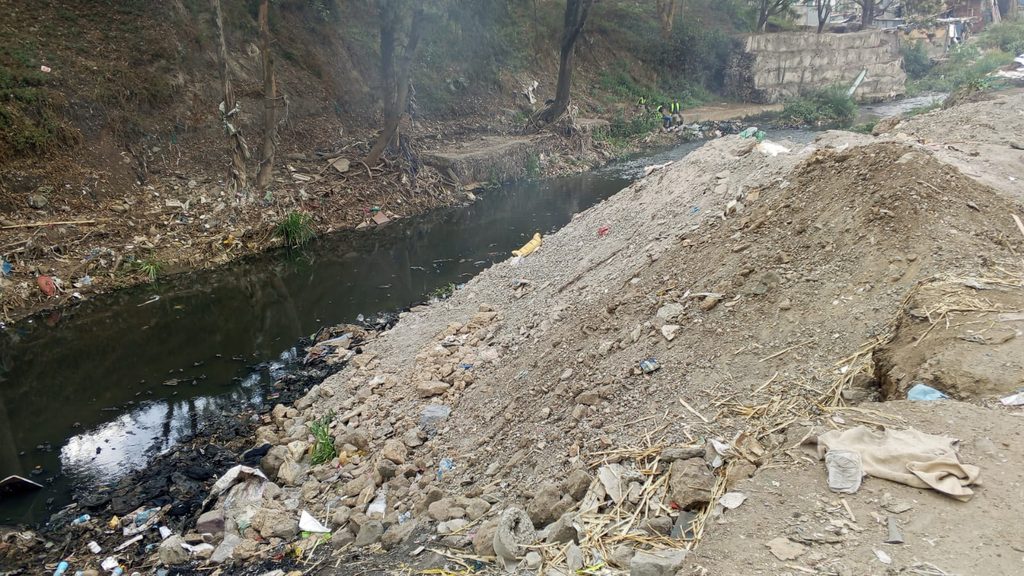
At St Michael’s and St Bakhita primary schools, near the Likoni Road bridge and Express Kenya, there are concerns after tonnes of soil were dumped along the riverbank, interfering with the natural flow of water and pushing the river towards the neighbouring schools.
Night guards who witnessed the incident told Big3Africa that a lorry with concealed number plates arrived under the cover of darkness and made three separate trips to offload soil along the riverbank.
The two institutions serve more than 2,000 learners, with MPC warning that the danger extends beyond the schools to other facilities within its compound, including its main offices and Mukuru Skills and Training Centre.
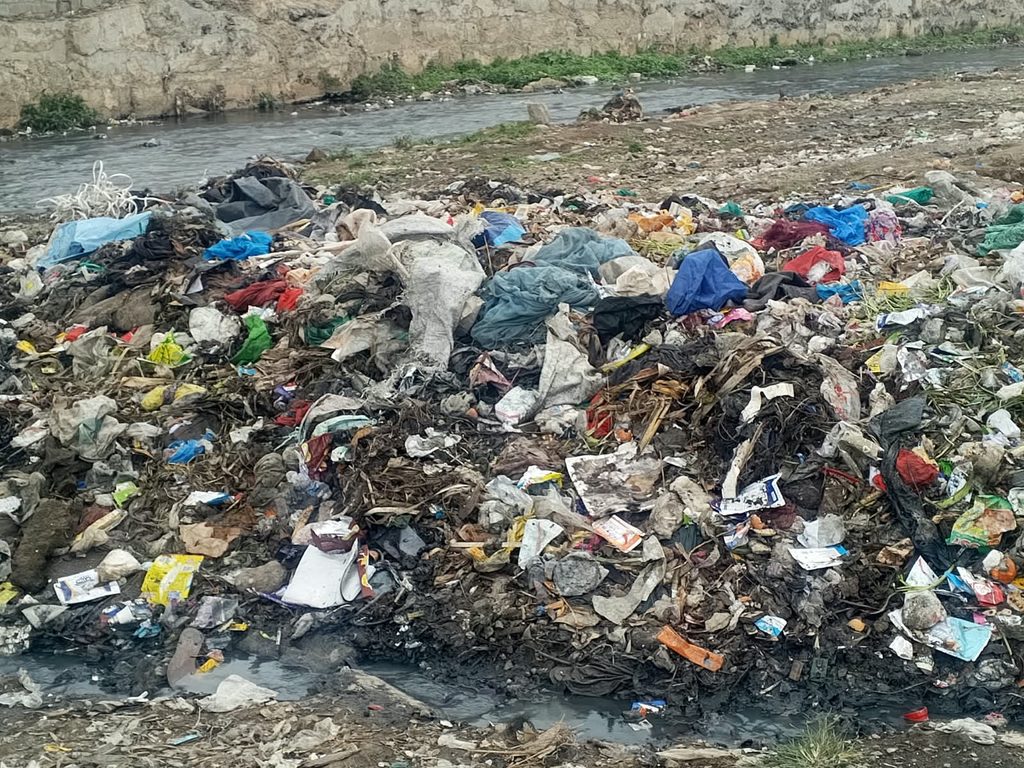
At Songa Mbele Na Masomo Centre, which provides education for children with disabilities, the river has been pushed towards the institution’s perimeter wall, raising fears that heavy rainfall could cause further damage and expose the learners to danger. The centre is also grappling with heaps of uncollected garbage along the riverbank, where waste continues to accumulate close to the watercourse.
Near the Likoni bridge, an illegal dumpsite has become another source of concern, with tonnes of garbage deposited along the river. Women were seen recycling polythene bags as men sort plastic waste, while marabou storks scavenge for food among the rubbish.
MPC says it has repeatedly sought government intervention to address the situation, including through demand letters to both county and national authorities.
The environmental concerns extend downstream to St Elizabeth Primary School in Mukuru-Kingstone slum, Embakasi South Sub-County, where repeated flooding has already disrupted learning and damaged school infrastructure.
The public school, which is run by the government with MPC as a co-sponsor, has reportedly suffered damage whenever the Ngong River overflows its banks. A teacher said previous floods had destroyed part of the school’s perimeter wall, inundated the playground and damaged the food store and classrooms.
Sources allege that individuals who have encroached on the riverbank in Mukuru-Reuben slum have deposited soil, erected structures and interfered with the watercourse, directing the river towards the school.
The concerns come as Kenya prepares for an increasingly powerful El Niño event, with international weather forecasts pointing to wetter-than-normal conditions across parts of East Africa during the October–December rainy season.
The prospect of intensified rainfall raises the stakes for communities and institutions located close to rivers and drainage channels, particularly in informal settlements such as Mukuru, where poor drainage, inadequate sanitation and settlement patterns along waterways can compound flood risks.
MPC is alling on the National Environment Management Authority (NEMA), Nairobi City County Government and other relevant agencies to urgently inspect the affected sections of the river, investigate illegal dumping and encroachment.
It is also demanding the removal of materials deposited along the riverbanks, action against illegal dumpsites and appropriate measures to restore the river’s natural flow before rainfall intensifies.
The situation raises wider questions about the enforcement of regulations governing riparian reserves and the protection of public institutions located close to waterways.