
Weather-related shocks are a growing threat to the Kenya’s economic outlook, the World Bank has warned, calling for the country to accelerate investment in climate-resilient infrastructure, water storage and irrigation to protect economic growth from increasingly unpredictable weather.
In its November 2026 Kenya Economic Update, the World Bank has cautioned that excessive rainfall could damage transport networks, disrupt agricultural production, weaken household incomes and trigger food price volatility.
The warning comes as Kenya seeks to sustain its economic recovery amid persistent fiscal pressures, high public debt and mounting infrastructure demands.
The World Bank projects economic growth of 4.6 per cent in 2026, slowing to 4.4 per cent in 2027 before recovering to 4.8 per cent in 2028. However, these projections remain exposed to weather-related risks with agriculture being among the sectors most exposed to these risks.
It projects an agricultural growth of 4.2 per cent in 2026 and 4.5 per cent in both 2027 and 2028, supported partly by anticipated El Niño rainfall. Above-average precipitation could improve soil moisture, water availability and pasture conditions, supporting crop and livestock production.
However, excessive rainfall could reverse some of these gains through localised flooding, crop and livestock losses, post-harvest damage and interruptions to agricultural value chains. The resulting disruptions could weaken farm incomes and affect food supplies, particularly where farmers lack adequate storage, irrigation and other protective infrastructure.
The World Bank warns that damage to roads, bridges, drainage systems and logistics corridors could increase transport costs, delay the movement of goods and disrupt supply chains. These networks connect farming regions to markets, link businesses to suppliers and facilitate domestic and international trade.
When roads become impassable or bridges are damaged, farmers may struggle to deliver produce to markets, businesses face delays in receiving raw materials and transport operators incur additional costs as they seek alternative routes. Delays in transporting perishable produce could also increase post-harvest losses, reducing farmers’ earnings and affecting food availability.
Urban flash floods present another significant risk, particularly in areas with inadequate drainage and settlements located in flood-prone zones. Beyond damage to property and businesses, flooding can interrupt transport, electricity, water supply and other essential services, while threatening human life.
The World Bank cautions that such disruptions could temporarily push up food prices and place additional pressure on households already facing a high cost of living.
The risks are particularly concerning given the limited fiscal resources available to respond to additional economic shocks. Kenya’s economy grew by 5.2 per cent in the first half of 2026, supported by industry and services, which offset a moderation in agricultural activity. However, high public debt, rising debt-servicing costs and constrained fiscal space limit the government’s capacity to finance development priorities while meeting emergency response and reconstruction costs.
The institution therefore argues that Kenya needs to shift towards preventive investment rather than relying predominantly on repairs and relief after disasters occur.
Among its immediate recommendations are clearing urban drainage systems, inspecting vulnerable roads and bridges, and protecting critical electricity, water and health infrastructure ahead of periods of heavy rainfall. It also calls for emergency financing arrangements and stronger county response systems to enable faster intervention when weather-related emergencies occur.
Early-warning communication is another important component of preparedness as timely and accessible forecasts can help farmers make decisions about planting, harvesting and crop protection, while pastoralists can use weather information to plan livestock movements and manage grazing resources.
For urban authorities, advance warnings can support the identification of vulnerable settlements, deployment of emergency response teams and preparation of drainage infrastructure. The report also recommends pre-positioning agricultural and veterinary support in high-risk areas to reduce the time taken to assist affected communities.
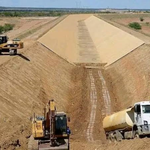
Over the longer term, the World Bank identifies expanded water storage, increased irrigation and stronger urban flood management as essential investments in economic resilience. Reducing dependence on rainfall would help stabilise agricultural production during periods of changing precipitation, while improved drainage and climate-resilient infrastructure could limit damage to settlements and commercial networks.
The report also highlights weaknesses in land administration, particularly the allocation and development of land designated as riverbanks. Construction on riparian land exposes buildings, businesses and public infrastructure to flooding, increasing the economic and social costs of extreme rainfall.
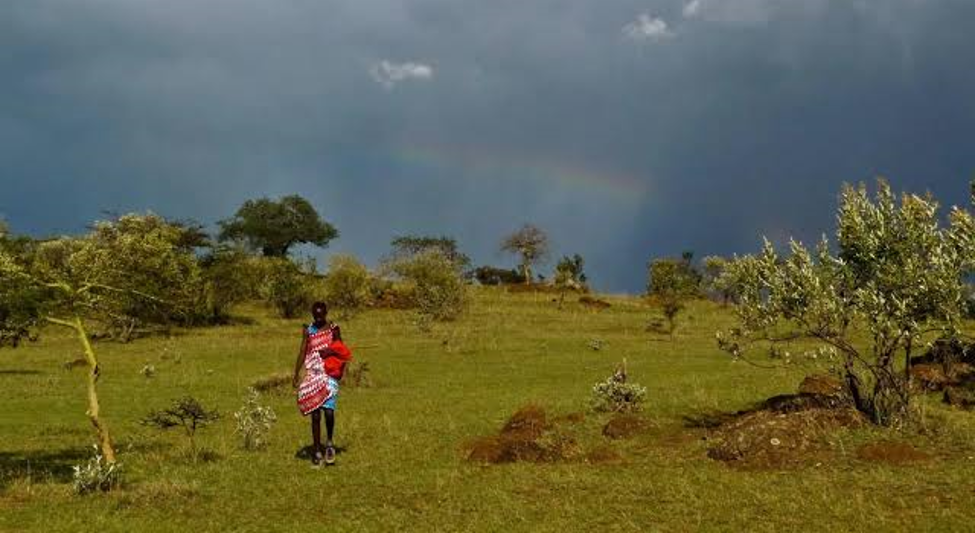
Diversifying pastoral livelihoods is another proposed intervention to reduce the vulnerability of communities whose incomes depend heavily on climate-sensitive livestock production.