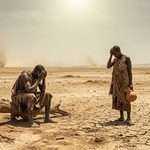
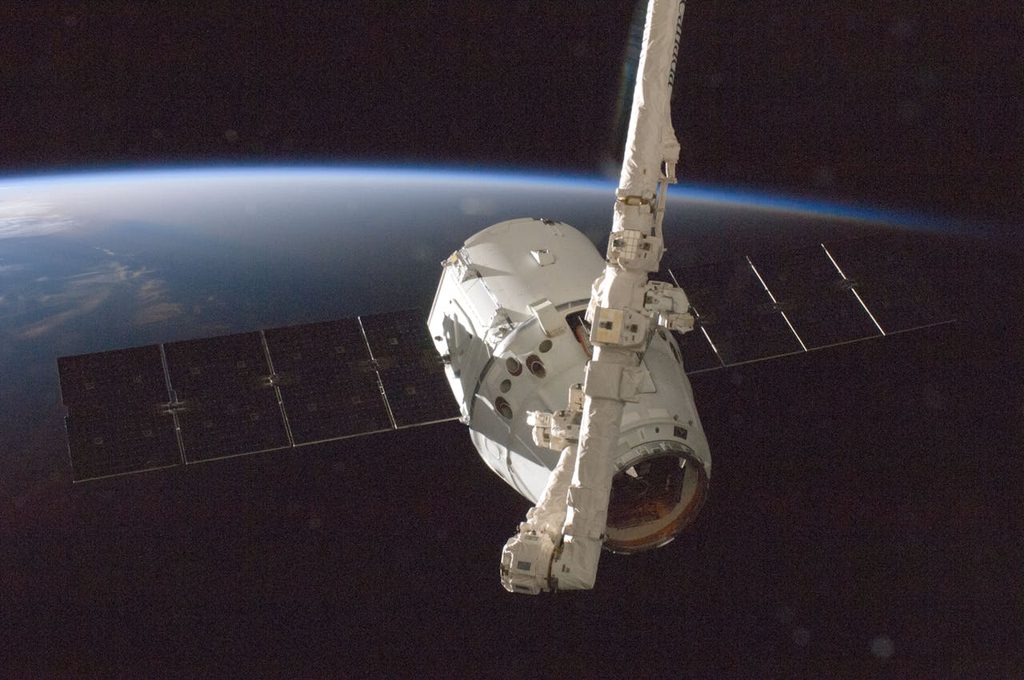

The African Union has officially launched a continental space partnership with the European Union to deploy advanced satellite technology. This initiative aims to establish robust early warning systems against extreme weather events, significantly boosting community resilience across the continent.
The launch marks a pivotal moment in Africa’s proactive approach to climate change mitigation and disaster management. It showcases a strong commitment to safeguarding its people and vital resources through international cooperation.
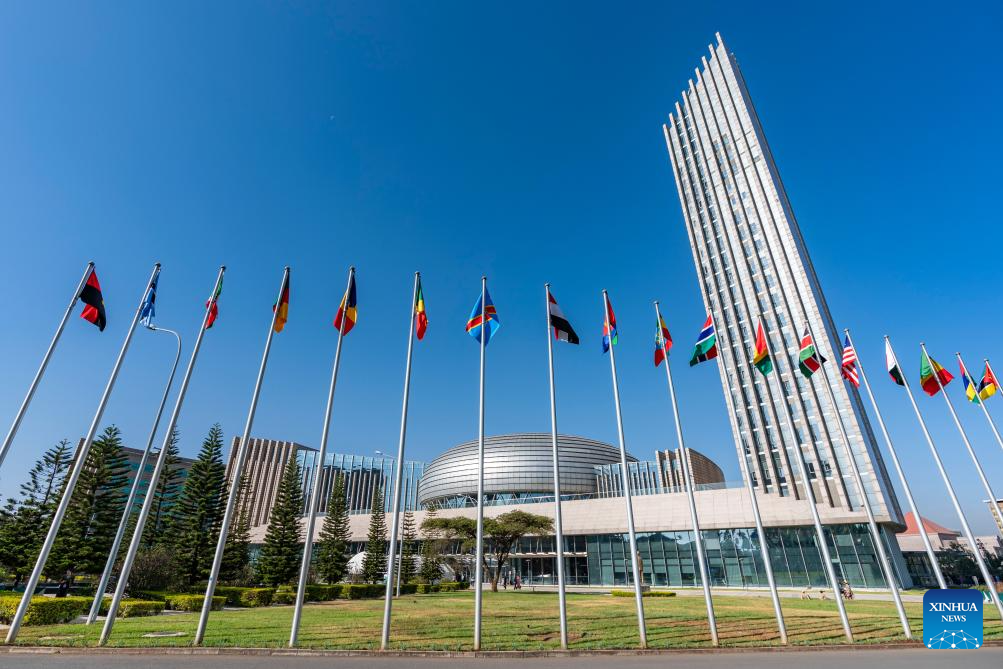
Meeting at the AU Headquarters in Addis Ababa from May 18–19, 2026, the Directorate of Sustainable Environment and Blue Economy formally inaugurated the African Meteorological Satellite Applications Facility (AMSAF). This project operates under the broader Strengthening Early Warning in Africa (SEWA) initiative.
The strategic location and timing underscore the urgency of this continental endeavor. By bringing together key stakeholders, the project aims to enhance meteorological capabilities across the entire continent for a common goal.
AMSAF leverages cutting-edge space science by deploying AMSAF-Nowcasting and Impact-Based Forecasting (IBF) technologies. These sophisticated systems enable real-time tracking of rapid-onset extreme weather events.
Utilizing advanced satellite data products, the facility provides timely and accurate information to vulnerable communities. This technological leap transforms disaster management from a reactive to a proactive stance.
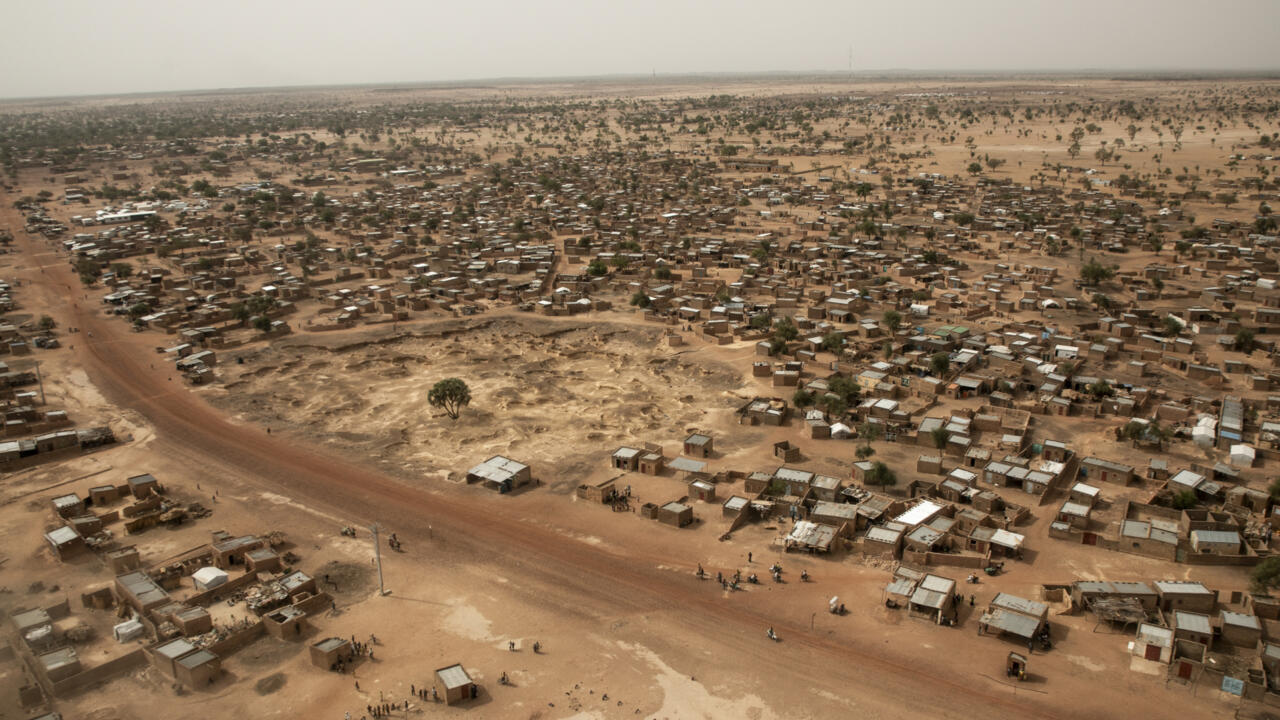
By offering early warnings for droughts, floods, and severe storms, AMSAF empowers farmers to make informed decisions. This protection of crops is essential for ensuring food security and economic stability.
This African-led space technology provides crucial data sovereignty, allowing the continent to manage its own environmental challenges. After consecutive seasons of heavy weather impacts, such as El Niño, AMSAF offers a tailored solution.
Indigenous technological advancements, supported by international partnerships, can fortify communities against environmental adversities. This approach is key to building a more resilient future for all African nations.
The initiative aligns with the €27 billion ($31.5 billion) Africa Forward Summit clean energy deals recently secured in Nairobi. These substantial investments demonstrate that capital is increasingly flowing into Africa alongside legislative and technological advancements.
The synergy between these developments signals a robust future for sustainable growth. It positions Africa as a global leader in proactive climate action and environmental management.
AMSAF contributes directly to the Integrated African Strategy on Meteorology (2021-2030). This strategy focuses on weather, water, and climate services to reinforce monitoring and disaster preparedness.
The project is a testament to Africa’s unwavering commitment to self-reliance and regional cooperation. It provides innovative solutions to address global challenges like climate change at the local level.
The collaboration between the African Union and the European Union through the SEWA project exemplifies a powerful model for international cooperation. It transfers critical technology while building essential local capacity.
African institutions are now better equipped to manage and utilize these advanced systems effectively. This partnership fosters a shared vision for a climate-resilient Africa where communities are empowered and protected.