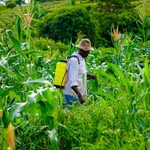
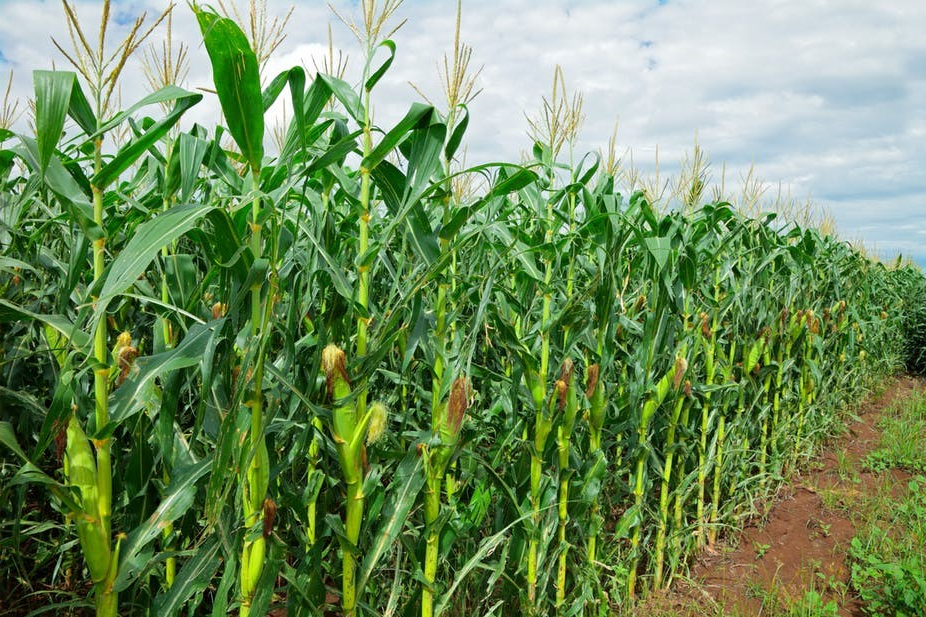

In the semi-arid plains of Ng’arua in Laikipia County, maize farmers are not only battling low prices and unreliable markets. They are confronting a growing climate and public health crisis fuelled by rising temperatures, erratic rainfall, prolonged droughts, and the silent spread of aflatoxin contamination in food systems.
For many households, maize is the foundation of daily survival. Yet climate change is increasingly threatening both the quantity and safety of this staple food.
During harvest seasons, farmers often record temporary surpluses, only to face food shortages months later as droughts, failed rains, and post-harvest losses wipe out reserves. At the same time, poor drying conditions and rising humidity fluctuations are accelerating the growth of toxic fungi that produce aflatoxins, which are dangerous poisons linked to liver cancer, weakened immunity, stunted growth in children, and even death.
In response, farmers in Nga’rua are turning to maize aggregation as a climate adaptation strategy that protects food security, safeguards public health, and reduces post-harvest losses.
Through the Ng’arua Cereals and Produce Cooperative Society, 134 farmers – 58 women and 76 men – collectively dry, clean, and store maize under controlled conditions before selling it when prices improve.
“The store was created as a buffer where harvested maize could be stored for three to four months to take advantage of better prices,” says cooperative chairperson Nahashon Kanyiri.
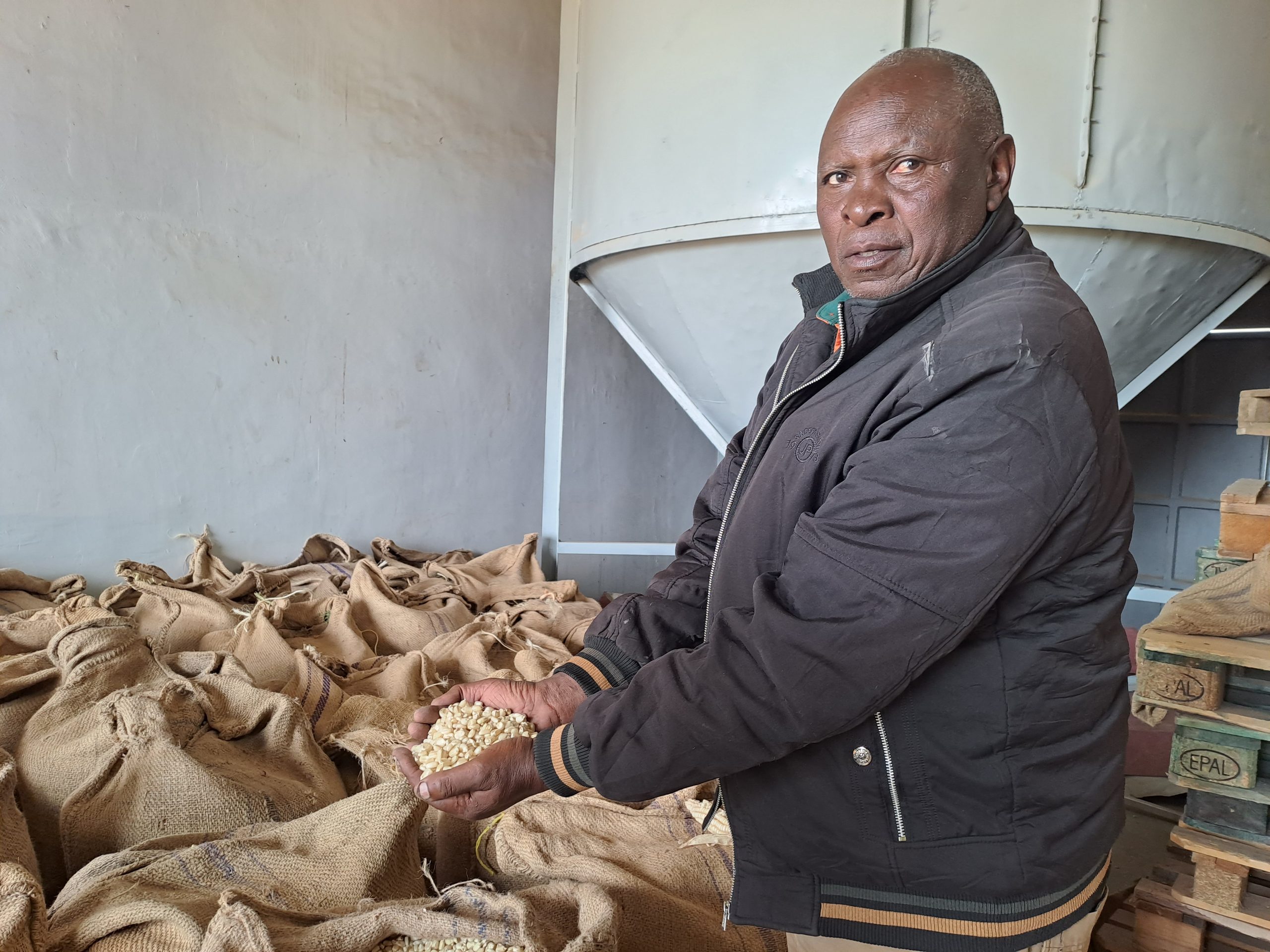
But what began as an economic solution has evolved into a critical defence against climate-related hunger and food contamination.
Climate change and the rise of aflatoxin
According to Prof. Paul Kiprotich Kimurto, Professor of Crop Science and Director of the Agroscience Park at Egerton University, climate change is creating ideal conditions for aflatoxin-producing fungi such as Aspergillus flavus and Aspergillus parasiticus.
“These fungi thrive under conditions of heat stress, drought, and poor storage,” explains Prof. Kimurto. “When maize plants are weakened by drought and then exposed to moisture during storage, the risk of fungal infection and aflatoxin contamination rises sharply.”
He says warming temperatures and increasingly erratic rainfall patterns across Kenya are worsening the problem, especially in maize-growing regions already vulnerable to food insecurity.
Aflatoxins are invisible, tasteless, and difficult to detect without proper testing, making them one of the most dangerous hidden threats in food systems. Once contaminated maize enters households or markets, the toxins can accumulate in the human body over time.
Scientific studies have linked chronic aflatoxin exposure to liver cancer, immune suppression, malnutrition, and impaired child development. In severe cases, high exposure can trigger acute aflatoxicosis, which causes rapid liver failure and death.
Kenya has experienced several deadly aflatoxin outbreaks over the years, particularly in eastern regions where poor drying and storage conditions have combined with extreme weather stress.
Prof. Kimurto warns that climate change is likely to increase the frequency and spread of contamination unless communities strengthen post-harvest management systems.
“Food security is not only about having enough food,” he says. “It is also about ensuring that the food people consume is safe.”
Aggregation as a climate adaptation solution
The cooperative’s aggregation model is helping farmers tackle these interconnected threats through science-based storage and food safety practices.
Instead of drying maize on bare ground under unpredictable weather conditions, farmers now use modern drying machines that quickly reduce moisture content to safe levels.
“The drying machine helps us achieve the recommended moisture content of 13.5 percent,” says Kanyiri. “This reduces fungal growth and aflatoxin contamination while preserving grain quality.”
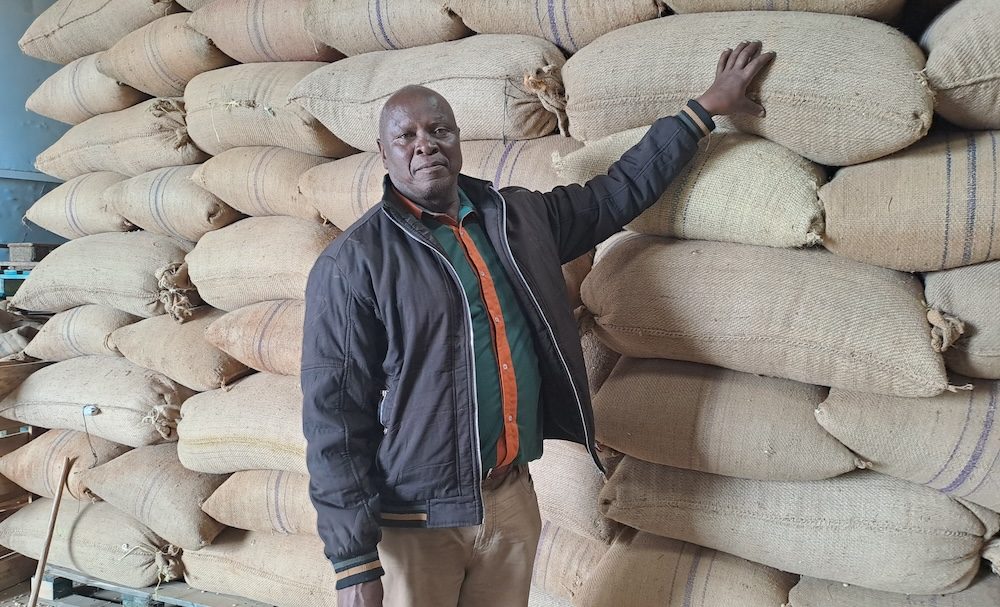
The cooperative also uses sieving machines to remove damaged, mouldy, and discoloured kernels, which often contain the highest concentration of toxins.
“Aggregation centres make it possible to conduct rapid quality control measures that individual farmers cannot easily afford,” says Prof. Kimurto. “Through cleaning, sorting, rapid drying, and proper storage, contamination risks can be significantly reduced.”
The cooperative is also embracing hermetic storage technologies such as PICS bags, which create airtight conditions that suppress oxygen, preventing fungal growth and insect infestation without excessive use of chemicals.
“These technologies reduce post-harvest losses while protecting both human health and the environment,” Prof. Kimurto explains.
Hunger, climate shocks, and food resilience
For communities facing repeated drought cycles, the cooperative has also become a food security buffer against climate shocks. Before maize is released to the market, vulnerable households and cooperative members can access grain from the store to feed their families during difficult periods.
“By the fifth month after harvest, many families used to run out of maize and were forced to buy expensive food,” recalls Kanyiri. “Now the store helps cushion households during dry periods and unstable seasons.”
Members who borrow maize later return it with a small surplus, strengthening the collective reserve and ensuring food remains available within the community.
This system has become increasingly important as climate change destabilises agricultural production and drives up food prices across the country.
Experts warn that Africa could face worsening food insecurity as rising temperatures reduce crop yields, increase pest outbreaks, and intensify droughts and floods. Reducing post-harvest losses has therefore become as important as increasing production itself.
According to the Food and Agriculture Organization (FAO), nearly one-third of food produced globally is lost or wasted, contributing significantly to greenhouse gas emissions while millions remain food insecure.
By preserving harvested maize safely, aggregation reduces waste, stabilises local food supplies, and lowers pressure to clear forests or fragile ecosystems for additional farming land.
“When farmers lose less food after harvest, they become more resilient economically and environmentally,” says Prof. Kimurto. “It reduces pressure on land and strengthens community adaptation to climate change.”
Diversification for climate resilience
Beyond maize storage, the cooperative is encouraging farmers to diversify livelihoods to reduce dependence on a single climate-sensitive crop. Members are now engaging in fruit tree nurseries, kitchen gardens, tea seedlings, and beekeeping projects that support biodiversity restoration and alternative income generation.
A planned tree nursery supported through grants from FAO and E4Impact is expected to further strengthen ecosystem restoration efforts in the area.
The cooperative also operates a small solar-powered maize mill, signalling a gradual shift toward cleaner and more sustainable rural food systems.
For farmers in Nga’arua, aggregation is becoming a community-led climate resilience model that connects science, health, environmental conservation, and food security in the fight against a warming world.