
By Deborah Kerubo
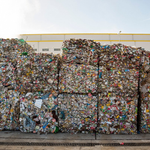
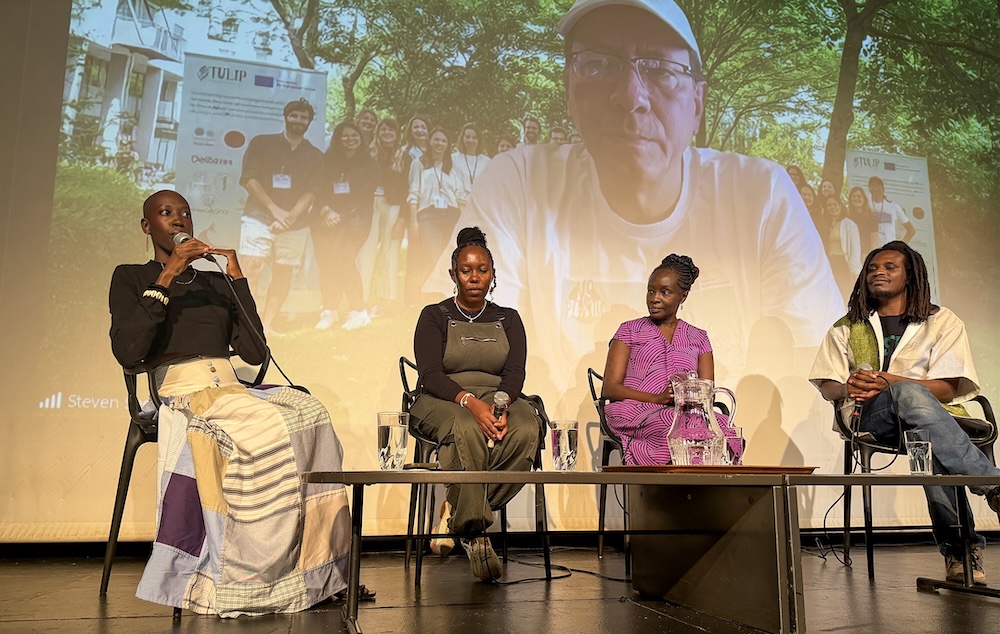
The lights dim inside Alliance Française in Nairobi as the audience settles into their seats. On screen, a documentary’s poster shows piles of discarded clothing, plastic, and household waste, telling a story that many people prefer not to see.
As the documentary unfolds, it becomes clear that waste is not only an environmental problem, it is also a story about people, livelihoods and the shared responsibility of caring for the environment.
For filmmaker Sally Ngoiri, the premiere of Afterlife of Waste marks more than the release of a film. It represents years of using storytelling to explore the issues she cares about most: climate change, social justice, and creating opportunities for young people, particularly women, in Kenya’s film industry.
“I wanted to show people how their daily habits affect our environment, and not just for us now, but also future generations,” she said.
Across Africa, waste management systems continue to struggle to keep pace with rapid urban growth. According to the World Bank’s Clean Cities, Bright Futures report (2025), up to 93 percent of waste in low-income countries is mismanaged, while about 60 percent remains uncollected, often ending up in open dumpsites, waterways or being burned.
For Ngoiri, storytelling began long before she entered the film industry. As a child, she knew she wanted to work in television, though she was unsure in what capacity. That curiosity followed her into high school, where she began writing scripts and receiving encouragement from teachers and fellow students.
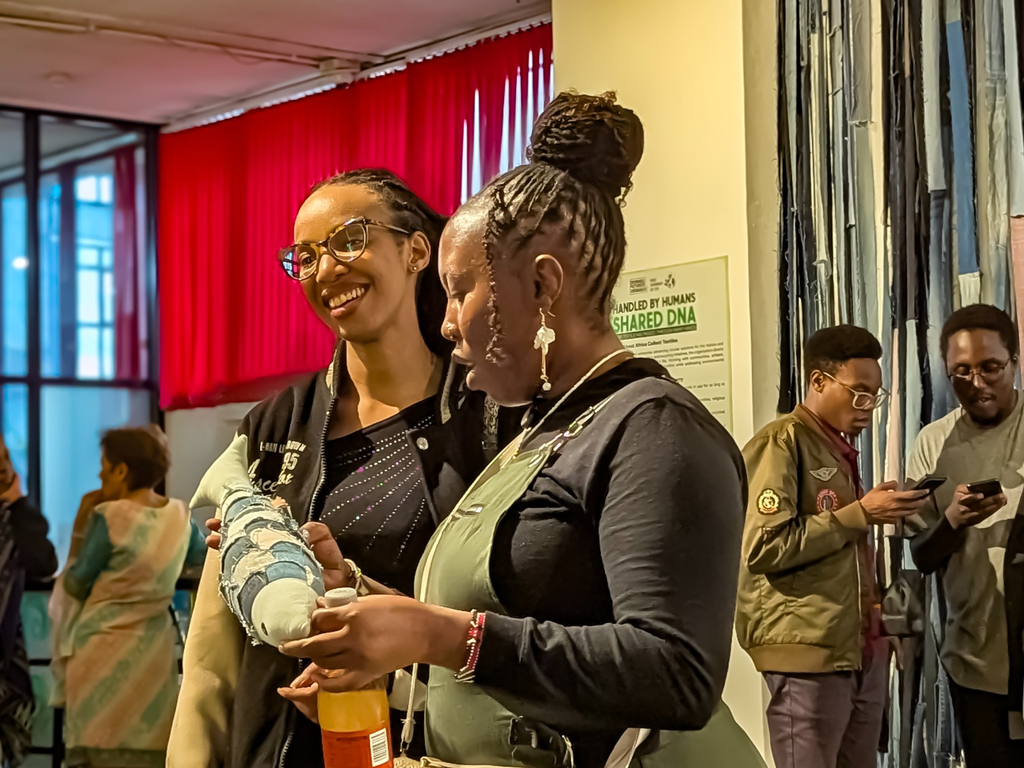
After university, she received a scholarship to study at the Multicultural Talent Factory in Nairobi, where she discovered a deeper interest in producing. The training exposed her to the process of transforming ideas into completed productions and strengthened her desire to create stories rooted in people’s lived experiences.
“The first lesson we learned in film is a reflection of reality,” she recalled. “That really sat with me and I decided I really want to tell stories that reflect our reality.”
That philosophy became the foundation of her work. Rather than focusing solely on entertainment, Ngoiri gravitated toward stories that explored social issues, particularly gender equality and climate change. Those interests would eventually shape Afterlife of Waste, a documentary examining the connections between consumption, waste and environmental degradation.
Yet as she worked on the film, another theme became impossible to ignore. “I think waste reveals inequality in the society we live in,” she said.
According to Ngoiri, the burden of waste rarely falls on those who profit most from production and consumption. Instead, it is often carried by communities with fewer resources, many of whom live and work near dumping sites.
“People who are really well off live in clean neighbourhoods while people who live below minimum wage are the ones who live near dump sites. They are the ones who work in those dump sites,” she said.
For Ngoiri, waste became a lens through which audiences could examine larger questions about responsibility, privilege and the consequences of everyday choices.
“I don’t want them to live with answers. I want them to live with a lot of questions in regards to how their actions affect waste, how other people’s actions affect waste, and how we can all work together to minimise overconsumption.”
Jacqueline Kisato, a lecturer at Kenyatta University and chair of the Fashion Design and Marketing Department, believes storytelling has a unique ability to move people from awareness to action. While data may provide information, she argues that stories create emotional connections that inspire change.
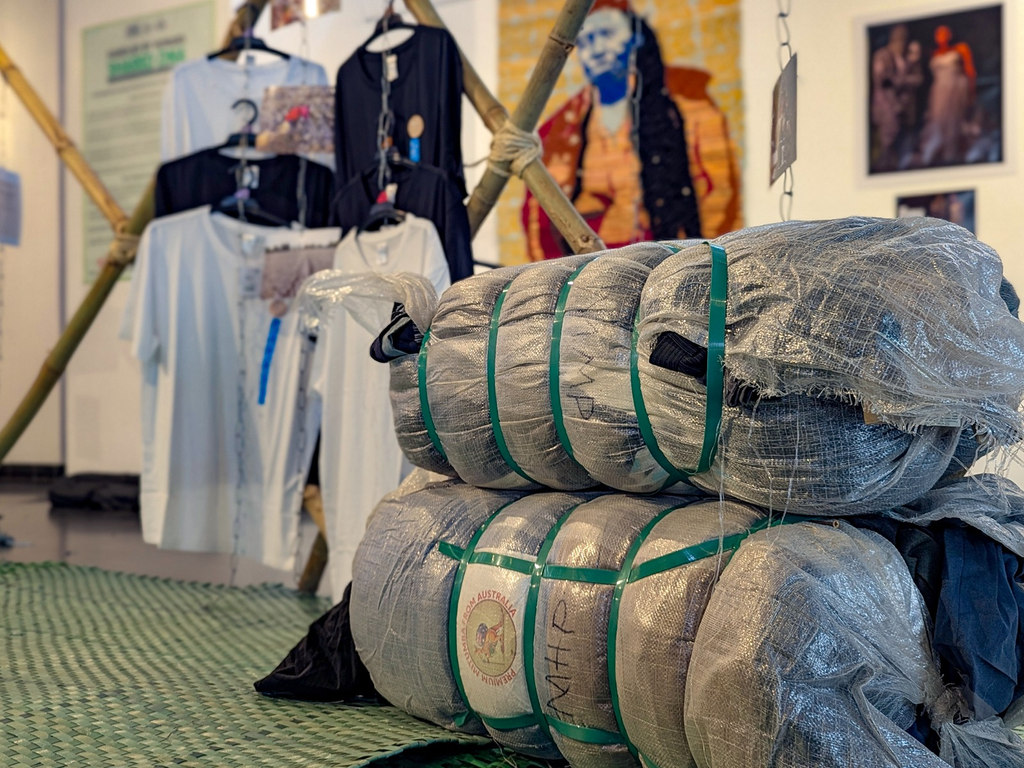
“A story has greater impact than just data. Today’s presentation in story form appeals to the emotional side as well as the intellectual side of the audience. Sometimes, when you present a lot of data without a little story behind it, you do not get people to take action,” she said.
Among those who have witnessed that impact is filmmaker and cinematographer Wendy Kirore, who attended the premiere of Afterlife of Waste. The documentary challenged her understanding of waste and consumption.
“I’m thinking more on what we wear and where it ends up, because when we talk about waste, we just purely think about plastic bottles many a times and the wrappers on the streets, but no one thinks actually once you throw your jacket or once you put out your shoes, where does it go?” she said. “It made me more conscious of where clothes end up, and where they come from.”
Despite her growing success, Ngoiri says creating socially conscious films remains challenging. Funding is often difficult to secure, particularly for projects focused on environmental and social issues.
“When you go to ask for funding or when you go to pitch yourself, some people may not really have faith in your ability to handle big productions,” she said. Still, she continues to push forward.
One of the most memorable moments came during the production of a fashion show held in Nairobi’s Gikomba market, where discarded materials were transformed into wearable designs. Organized with limited resources and considerable uncertainty, the event became a testament to creativity and community support.
“We didn’t have money to do that fashion show. We were doing that fashion show by faith,” she said.
Looking ahead, she hopes to see a Kenya where people engage with difficult conversations respectfully, work together to address environmental challenges and create opportunities for one another.
Courtesy of Bird Story Agency: https://agency.birdstoryagency.com/stories/this-filmmaker-is-shifting-our-views-on-trash-1?locale=en