
By Waweru Wairimu
Carbon credit certification body Verra has reinstated the Northern Kenya Grassland Carbon Project for a second time, allowing the project to resume issuing carbon credits despite continuing legal disputes and criticism from Indigenous rights groups over land governance and community consent.
Verra announced in a statement on June 18 that it had restored the project’s certification after the Chari Dedha Community reaffirmed its participation through a ratification process conducted under Kenya’s Community Land Act.
The project had been placed under a Quality Control Review (QCR) after a January 2025 ruling by Kenya’s Environment and Land Court found that the Biliqo Bulesa Conservancy, where part of the project is implemented, and another conservancy outside the project’s boundaries had been established without following the legal procedures and community processes required on unregistered community land.
The certification body said the ratification process brought the project back into compliance with its ownership requirements following a quality control review.
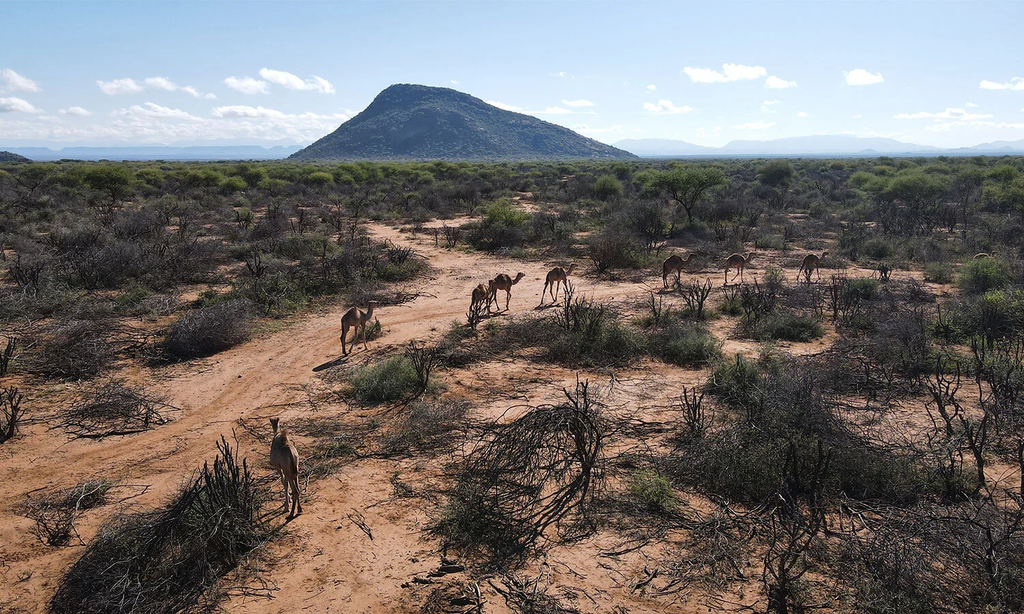
The Northern Kenya Grassland Carbon Project, implemented by the Northern Rangelands Trust (NRT), covers about 1.9 million hectares across 22 community conservancies in Isiolo, Samburu, Marsabit and Laikipia counties.
It is regarded as one of the world’s largest soil carbon removal projects, generating carbon credits through improved livestock grazing practices designed to restore degraded rangelands while storing carbon in the soil.
The project was placed under review after Kenya’s Environment and Land Court ruled in January 2025 that the Biliqo Bulesa Conservancy and another conservancy had been established without following the legal procedures required on unregistered community land.
The ruling prompted Verra to suspend the project while it assessed whether it still met certification requirements.
Although the court decision is under appeal and an injunction has allowed the conservancies to continue operating, Verra said the community ratification process addressed the ownership concerns that had triggered the review.
The decision has, however, reignited criticism from Indigenous rights campaigners, who argue that the project still lacks genuine free, prior and informed consent from affected communities.
One of the groups, Survival International accused Verra of attempting to retroactively legitimize a project that it says should never have been approved, arguing that consent cannot be obtained years after a project has already been implemented.
“The supposed ratification claimed to secure communities’ free, prior and informed consent. But that has to come before a project starts, not be bolted on 14 years later,” the organization said in a statement.
The organization further argued that the court ruling raised broader questions about the legality of other conservancies participating in the project and warned that reinstating certification before the conclusion of the appeal undermined Indigenous land rights.
The Northern Kenya carbon project has become one of the most closely watched carbon offset initiatives globally.
Since its launch, it has attracted international corporate buyers including Meta, Netflix, and the International Airlines Group (owner of British Airways) seeking to offset emissions while financing conservation and community development in Kenya’s arid and semi-arid lands.
NRT has consistently defended the project, maintaining that it improves rangeland health, supports wildlife conservation and channels carbon revenues into community development, including education, healthcare, water projects and local livelihoods.
The organization has also rejected allegations that communities were inadequately consulted or unfairly excluded from project benefits.
The controversy has become a landmark test for the credibility of voluntary carbon markets, with environmental experts saying the outcome could shape future standards governing Indigenous rights, community consent and benefit-sharing in large-scale carbon projects across Africa.