

By Waweru Wairimu
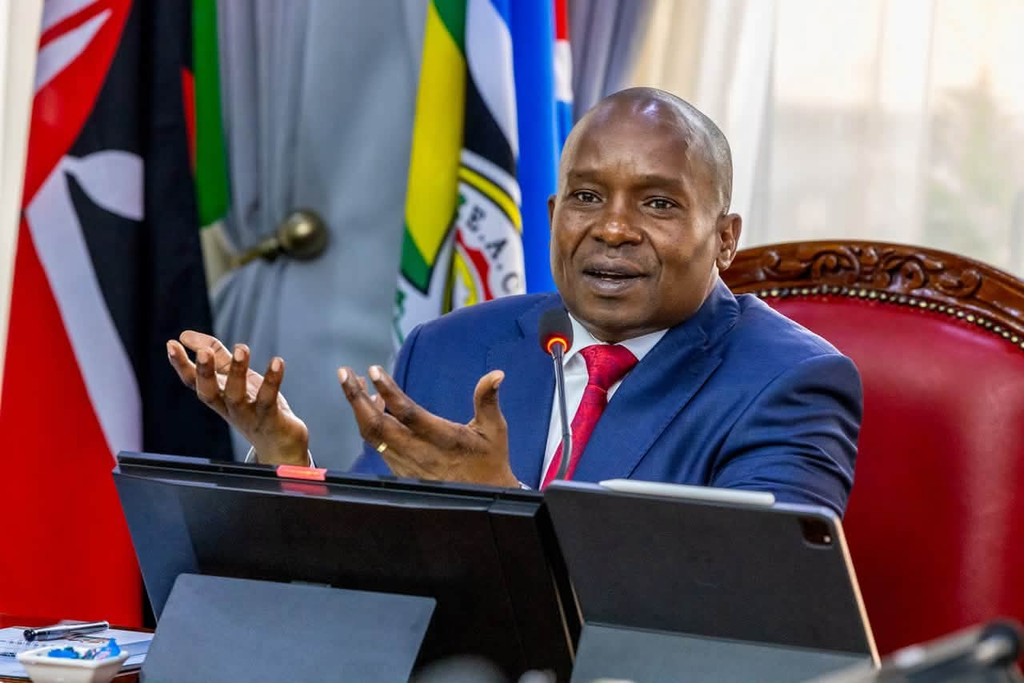
Deputy President Kithure Kindiki has assured Kenyans that the government is taking early action to prepare for the forecast El Niño rains expected later this year, saying the country will not repeat the costly mistakes witnessed during previous extreme weather events.
Kindiki’s remarks come after the Cabinet established a special Ad Hoc El Niño Committee to coordinate national preparedness and response following forecasts indicating a high likelihood of a moderate-to-strong El Niño developing in the second half of 2026.
The committee has been tasked with overseeing the implementation of a nationwide contingency plan aimed at minimizing the impact of floods and other climate-related disasters.
The Deputy President said the government is adopting a proactive rather than reactive approach by coordinating ministries, county governments and disaster response agencies well before the expected onset of the October-December short rains.
According to the Cabinet directive, the contingency plan includes clearing drainage systems, reinforcing vulnerable roads and bridges, identifying evacuation centres, pre-positioning emergency supplies and medical equipment, strengthening early warning systems, issuing advisories to farmers and establishing funding for relief, recovery and rehabilitation efforts.
The announcement follows increasingly confident forecasts from global and regional climate agencies that El Niño conditions are developing across the tropical Pacific Ocean.
The World Meteorological Organization (WMO) has said there is about an 80 percent probability that El Niño would develop during the June-August period, with the likelihood increasing to above 90 percent that it will persist through at least November.
The UN weather agency says most forecast models indicate the event is likely to reach at least moderate intensity and could become strong, increasing the risk of weather extremes across many parts of the world.
The Kenya Meteorological Department has similarly warned that although much of Kenya is expected to remain generally dry during June, July and August, the developing El Niño is likely to enhance rainfall during the October-November-December short-rains season.
According to the department, there is an 80 to 82 percent chance of El Niño developing during the current period, with the probability rising to between 90 and 96 percent by the end of the year.
Meteorologists have cautioned that a positive Indian Ocean Dipole could further intensify rainfall over parts of East Africa.
Meteorological officials have urged the public, county governments and critical sectors, including agriculture, transport, water and health to begin preparedness measures early instead of waiting until heavy rains begin.
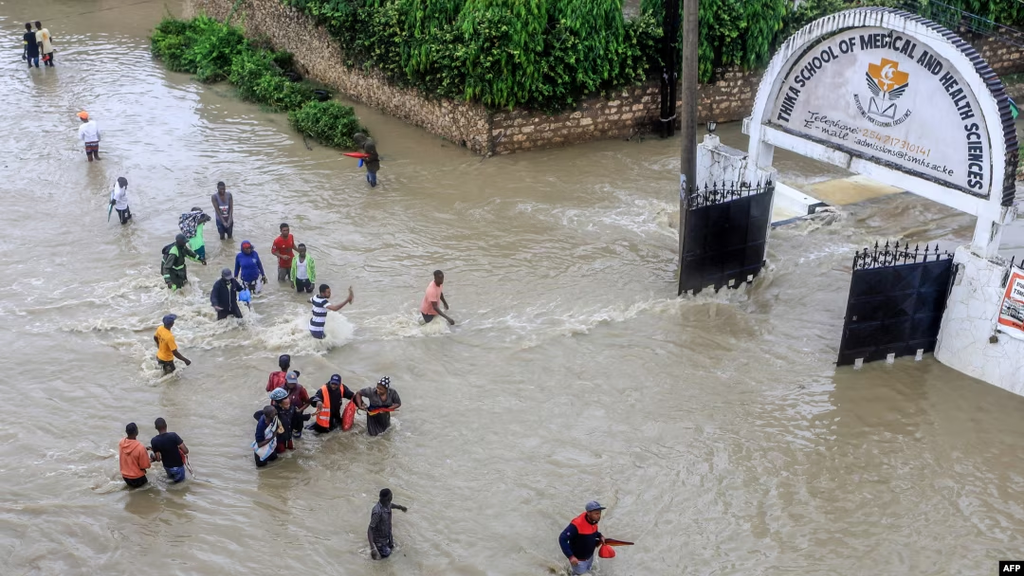
The renewed focus on preparedness follows devastating floods that have struck Kenya in recent years, causing widespread loss of life, destruction of infrastructure, displacement of thousands of families and billions of shillings in economic losses.
Globally, the WMO says El Niño is expected to amplify weather extremes, including heavier rainfall and flooding in some regions, prolonged drought in others, and increased temperatures that could further compound the effects of human-induced climate change.
The agency has urged governments worldwide to use early warnings and anticipatory action to reduce disaster risks before the phenomenon reaches its peak.
Kenya’s early activation of a national contingency plan signals a shift toward anticipatory disaster management, with authorities hoping that improved coordination, early warning systems and advance deployment of resources will reduce the human and economic costs associated with the expected El Niño season.