
The world is off track to meet most of the 23 biodiversity targets agreed in 2022, according to a global assessment being discussed by governments in Nairobi.
The revised draft finds that current policies, financing and action are insufficient to halt and reverse biodiversity loss by the 2030 deadline, despite increased global engagement since the Kunming-Montreal Global Biodiversity Framework was adopted.
The report, known as the State of Biodiversity Action, identifies Target 8 that concerns reducing the effects of climate change and ocean acidification on biodiversity while strengthening resilience, as the only target showing an overall trend in the required direction.
The findings mean that commitments to restore degraded ecosystems, protect land and oceans, curb species extinction, reform environmentally harmful subsidies and mobilise biodiversity finance are all at risk of being missed unless governments sharply increase action.
Delegates are examining the report during two consecutive meetings at the United Nations Office in Nairobi. The 28th meeting of the Subsidiary Body on Scientific, Technical and Technological Advice, known as SBSTTA-28, runs from July 27 to August 1. It will be followed by the seventh meeting of the Subsidiary Body on Implementation, or SBI-7, from August 4 to 12.
The first meeting examines whether the scientific evidence is credible and what it says about the condition of biodiversity. The second is expected to negotiate the finance, policies, institutional capacity and accountability measures needed to respond.
Together, the Nairobi negotiations will prepare recommendations for the UN Biodiversity Conference, including the 17th Conference of the Parties to the Convention on Biological Diversity (CBD COP17), to be held in Yerevan, Armenia, from October 19 to 30. COP17 will conduct the first formal global review of progress under the framework.
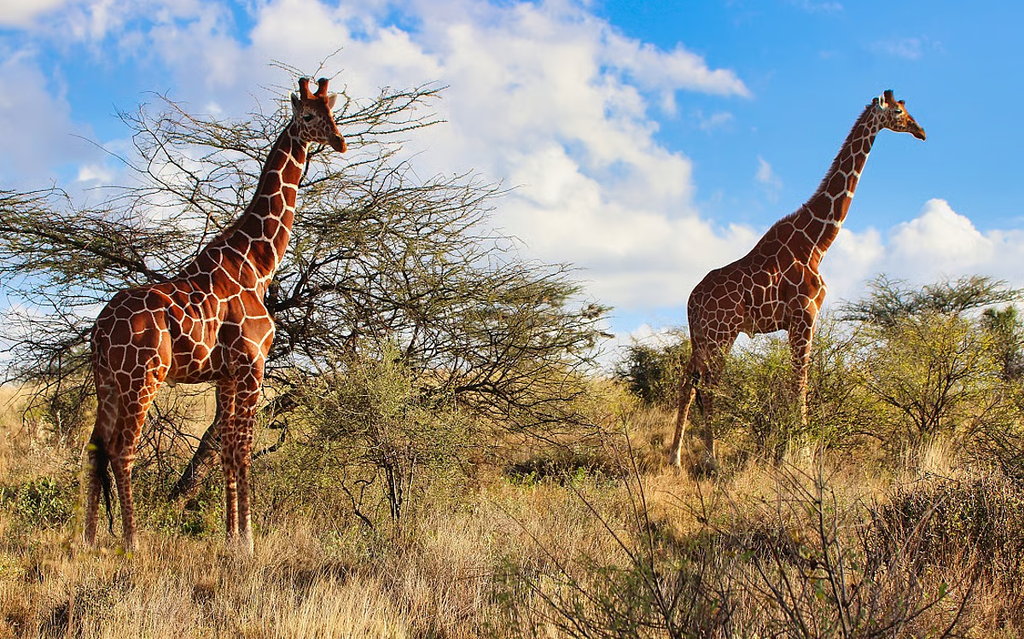
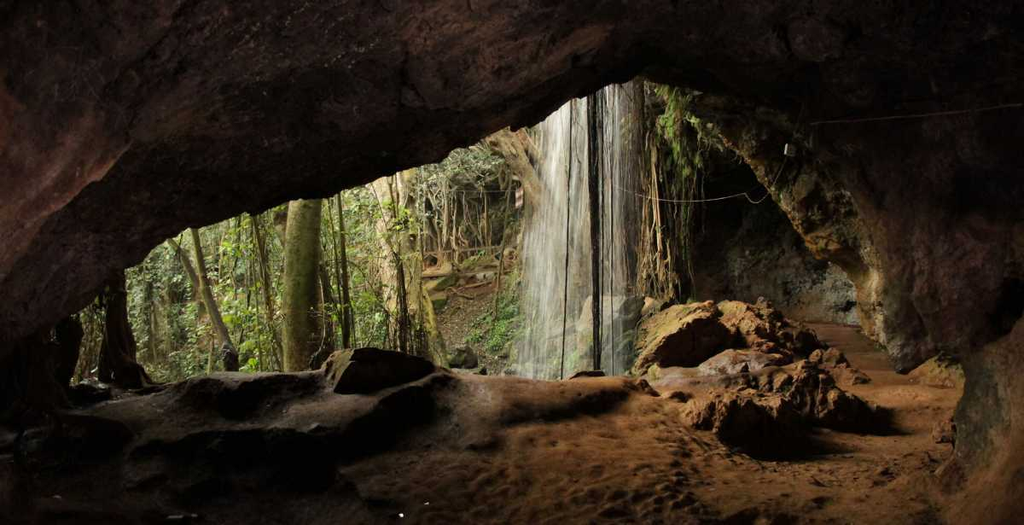
For Kenya, biodiversity includes wildlife, the forests that regulate rivers and rainfall, insects that pollinate food crops, soils that sustain farming, rangelands used by pastoralists and coastal ecosystems that support fishing and protect communities from storms.
The condition of the Mau, Aberdare, Cherangany, Mount Kenya and other water towers, for example, affects water availability far beyond the forests themselves. Degradation of rangelands reduces pasture and increases pressure on pastoral communities, while damage to mangroves and coral reefs threatens fisheries and coastal livelihoods.
Wildlife and natural landscapes also support Kenya’s tourism industry. This makes biodiversity loss an economic and social issue, rather than solely a conservation concern.
Kenya’s sixth national report to the Convention on Biological Diversity identified population growth, agricultural and settlement expansion, climate change and encroachment into fragile water-tower ecosystems among the continuing pressures on the country’s biodiversity. It also acknowledged that Kenya had not adopted national biodiversity targets under the previous Aichi framework and was reporting against the global targets instead.
The Nairobi assessment therefore raises questions about whether biodiversity is being adequately considered when Kenya plans roads, housing, energy projects, agriculture, mining and urban development.
The stakes are similarly high across Africa. More than 62 per cent of the continent’s rural population depends directly on ecosystem services, according to the UN Environment Programme. In most African countries, natural capital accounts for an estimated 30 to 50 per cent of total wealth.
The global framework recognises Indigenous peoples and local communities as custodians of biodiversity and requires respect for their rights, knowledge and participation.
One of the weakest areas identified in the assessment is Target 19, under which countries agreed to mobilise at least $200 billion annually for biodiversity by 2030. That commitment matters to African countries that have large conservation responsibilities but limited public resources and competing needs in health, education, food security and infrastructure.
Asad Naqvi, director of the CBD Secretariat’s Implementation Support Division and secretary of the SBI meeting, said the assessment points to three underlying problems of humanity drawing down natural capital faster than it can recover, biodiversity not being properly integrated into economic and financial planning, and finance and technical capacity remaining inadequate.
The Kunming-Montreal framework was adopted in December 2022 as the principal global plan for halting and reversing biodiversity loss. Among its best-known commitments is the “30 by 30” target to conserve at least 30 per cent of the world’s land, inland waters, coastal areas and oceans by 2030.
The current assessment draws on 129 national reports, more than 160 sets of national targets and over 80 updated National Biodiversity Strategies and Action Plans. It also incorporates scientific assessments and submissions from Indigenous peoples, local communities and other stakeholders.
During SBSTTA-28, delegates will also consider marine and coastal biodiversity, protected and conserved areas, sustainable wildlife management, synthetic biology and the implications of the recent global assessment of businesses’ impacts and dependence on nature.
SBI-7 will then address resource mobilisation, capacity-building, biodiversity integration across government and economic sectors, digital genetic information, and implementation of the Cartagena Protocol on Biosafety and the Nagoya Protocol on access to genetic resources and benefit-sharing.
Convention Executive Secretary Astrid Schomaker told delegates that the assessment had provided a shared evidence base, but cautioned that “evidence is only valuable if it informs action”.
The Nairobi meetings will determine how firmly that evidence is translated into recommendations. The binding political decisions, however, will be made at COP17 in October, leaving governments barely four years to close the widening distance between their 2022 promises and conditions on the ground.