

By Dan Kaburu
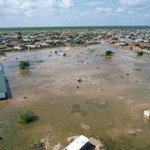
The government has activated emergency measures across the country after warning that Kenya faces a greater than 90 per cent likelihood of experiencing a strong El Niño event during the October – December short rains.
The Ministry of Interior and National Administration says that national and county governments had begun implementing seven measures to reduce deaths, displacement and damage during the expected heavy rains.
The measures include clearing drainage systems, preparing evacuation centres, monitoring rivers and dams, inspecting critical infrastructure, strengthening community early-warning systems, positioning relief supplies near vulnerable areas and placing emergency teams on standby.
“Authorities are unclogging and desilting drains, culverts and other water channels to reduce flooding, particularly in urban areas. The government has identified drainage choke points and directed agencies, including the Kenya Urban Roads Authority, to clear them.
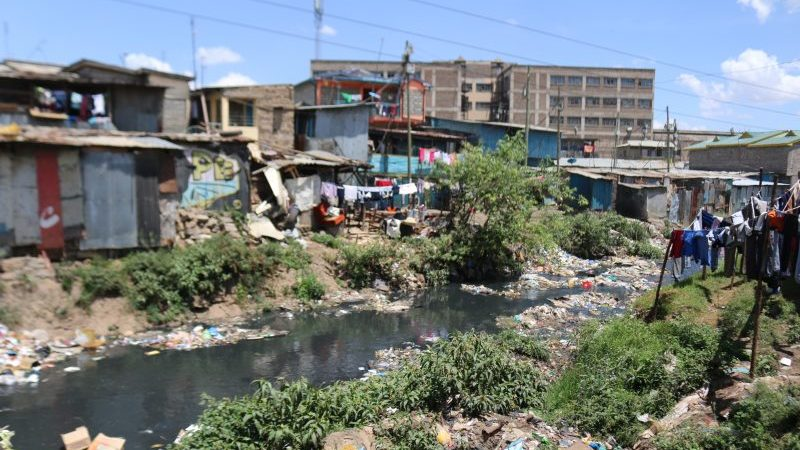
“Officials are also preparing to evacuate people living on riparian land, in low-lying settlements and other flood-prone areas. Temporary holding grounds have been identified for households that may be displaced,” the ministry said in a statement.
It added that water levels in rivers, lakes and dams will be monitored as the rains intensify. “Bridges, roads and essential utilities in vulnerable areas are also being inspected to identify weaknesses that could result in infrastructure failure or isolate communities.”
According to the ministry, chiefs, assistant chiefs and Nyumba Kumi representatives will be used to relay warnings and preparedness information at the community level.
The ministry said rapid-response teams had been placed on standby for search-and-rescue operations, evacuations and assessments after disasters. The preparations involve county governments, security agencies, the Kenya Red Cross Society, the National Drought Management Authority, health workers and National Government Administration Officers.
“Preparedness should not be mistaken for an absence of risk,” the ministry warned, saying intense rainfall could quickly overwhelm drainage networks, rivers and critical infrastructure.
Kenya’s disaster assessment has identified 18 counties facing heightened exposure to El Niño-related hazards. Tana River, Kilifi, Lamu, Mombasa and Kwale face possible flooding, storm surges, coastal erosion, displacement and infrastructure damage.
Kisumu, Busia, Siaya, Homa Bay and Migori could experience floods, landslides, disease outbreaks and displacement. Nairobi, Mombasa and Kisumu have been classified as high-risk urban centres because of blocked drainage systems, dense settlements and pressure on infrastructure.
Turkana, Baringo, West Pokot and Narok face a combination of flash floods, landslides, livestock losses and food insecurity. Garissa, Wajir and Mandera could experience flooding in some areas while remaining vulnerable to water scarcity, poor pasture and livestock losses.
The government has urged residents to follow evacuation orders and report blocked drains, rising water levels, damaged infrastructure and other emerging dangers before conditions become life-threatening.