

EnterpriseKenya is seeking to turn bamboo from an underused forest resource into a commercially competitive crop that can create rural jobs, restore degraded landscapes and strengthen the country’s response to climate change.
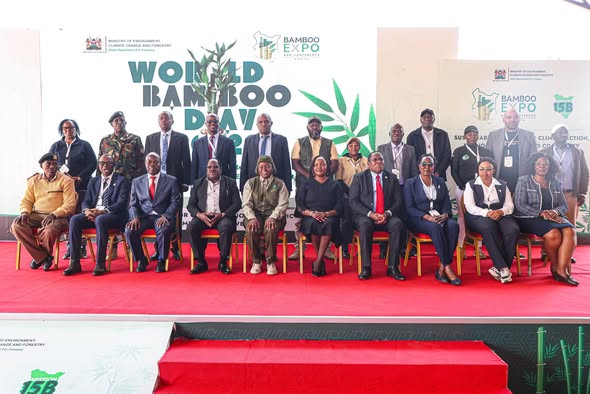
Environment, Climate Change and Forestry Cabinet Secretary Dr Deborah Barasa made the case while opening the Bamboo Expo in Meru, running from September 16 to 18 as part of this year’s World Bamboo Day celebrations.
“Bamboo offers an opportunity to grow incomes while conserving the environment,” Dr Barasa said, urging farmers, investors and institutions to support the sector.
The push comes as Kenya works to diversify agriculture and build livelihoods that can better withstand climate shocks.
The government’s National Bamboo Development Strategy and Action Plan 2025–2035 identifies bamboo as a tool for ecosystem restoration, climate resilience, green enterprise and value addition.
The State Department for Forestry says Kenya has more than 130,000 hectares of natural and planted bamboo and is targeting an additional 150,000 hectares of coverage under the strategy.
Kenya’s indigenous highland bamboo, Yushania alpina, commonly known as African alpine bamboo, is particularly important. The species grows between 2,400 and 3,400 metres above sea level in the Aberdare Range, Mount Elgon, Mount Kenya and the Cherangany Hills, which are vital water towers and biodiversity areas.
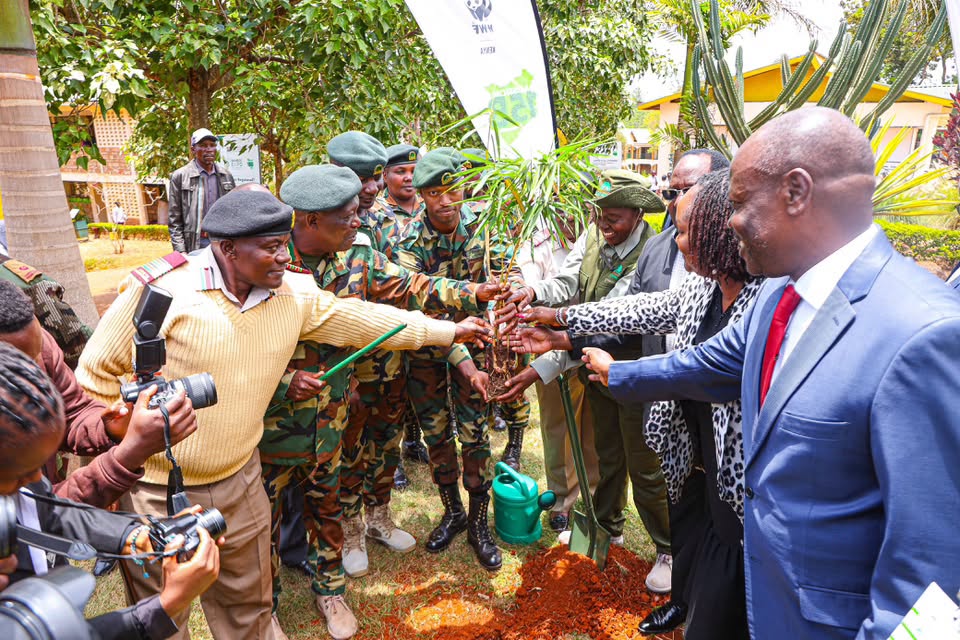
Highland bamboo helps stabilise soils, protect water catchments and provide habitat in ecosystems already under pressure from land degradation and a changing climate.
That ecological role gives bamboo a double value as it can help repair damaged landscapes while supplying renewable material for enterprise. Stakeholders are however cautioning that commercial expansion must not lead to the clearing of indigenous forests or undermine water-tower protection, saying that sustainable sourcing, sound land-use planning and safeguards for native bamboo ecosystems will be central to the sector’s credibility.
For farmers and young entrepreneurs, the opportunity lies in durable incomes that are likely to come from well-organised value chains including quality seedlings, farmer training, harvesting standards, aggregation, processing, product design and dependable buyers.
The Meru expo has brought together farmers, researchers, government agencies, private-sector players and community stakeholders to showcase products, technologies and investment opportunities. It is expected to promote propagation, share practical knowledge and demonstrate how bamboo can move from a seedling to a marketable product.