
African climate experts are pushing for increased climate finance, stronger ocean-monitoring systems and clear implementation commitments as the continent prepares a common negotiating position ahead of the United Nations climate summit, COP31.
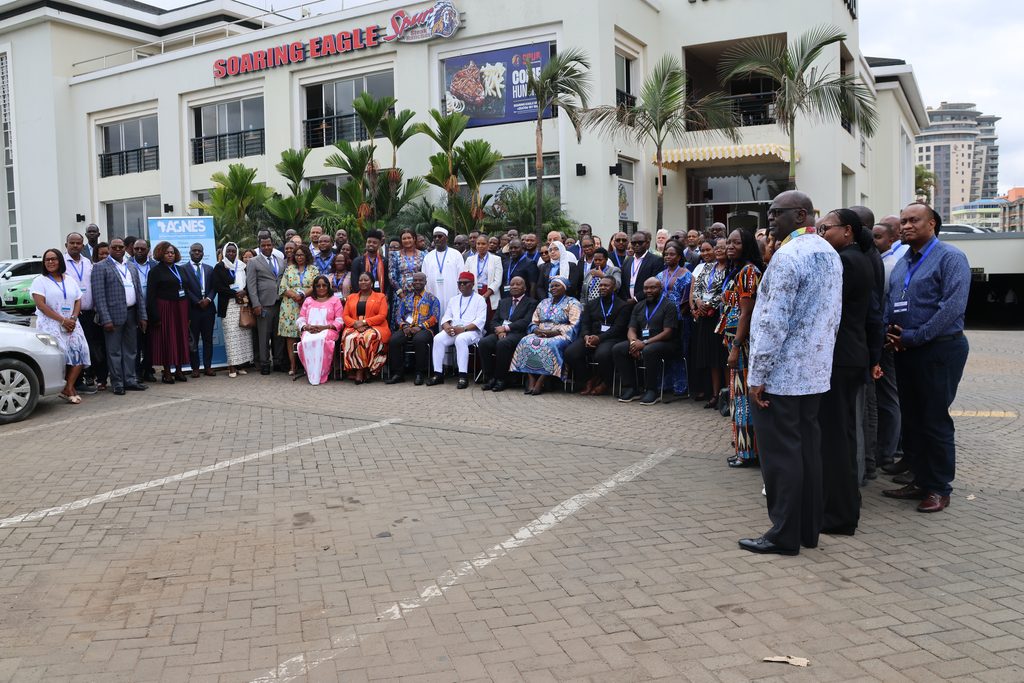
The proposals were discussed at the two-day Pre-COP31 Strategy Meeting in Nairobi convened by the African Group of Negotiators Experts Support (AGNES) and its partners.
The meeting brought together climate negotiators, researchers and practitioners to coordinate Africa’s priorities on adaptation finance, agriculture and food security, gender, the Global Goal on Adaptation and oceans.
In the ocean discussions, participants sought to move international climate negotiations beyond recognising the ocean’s role in regulating the climate towards concrete measures backed by funding, technology and accountability.
The push comes as the COP31 Presidency seeks to better integrate ocean-related action into the United Nations Framework Convention on Climate Change (UNFCCC).
African experts want any resulting commitments to require UNFCCC work programmes and constituted bodies to incorporate ocean-based action into their existing mandates and report on progress, building on the Glasgow Climate Pact.
They are also calling for the Standing Committee on Finance to reflect ocean-related priorities in its reporting, particularly following its focus on ocean and water issues.
Climate finance is central to the proposed African position, with participants calling for increased support for implementing ocean-related measures in countries’ nationally determined contributions (NDCs), with funding tailored to assessed national needs.
They argue that financing must cover project preparation, long-term operations and maintenance, access to data and technical capacity. African small island developing states and vulnerable coastal communities require particular attention because monitoring extensive maritime areas and delivering services across dispersed islands is costly.
The proposals also call for technology transfer to support marine research and implementation, alongside stronger national capacity to account for ocean ecosystems and estimate emissions and removals from coastal blue-carbon ecosystems.
Beyond international negotiations, African countries are being urged to develop locally owned project pipelines that translate ocean-related climate commitments into practical investments. The experts want coastal communities involved in setting priorities.
The wider AGNES meeting also examined adaptation finance, food systems and gender priorities ahead of COP31 and the forthcoming UN climate subsidiary-body negotiations.