
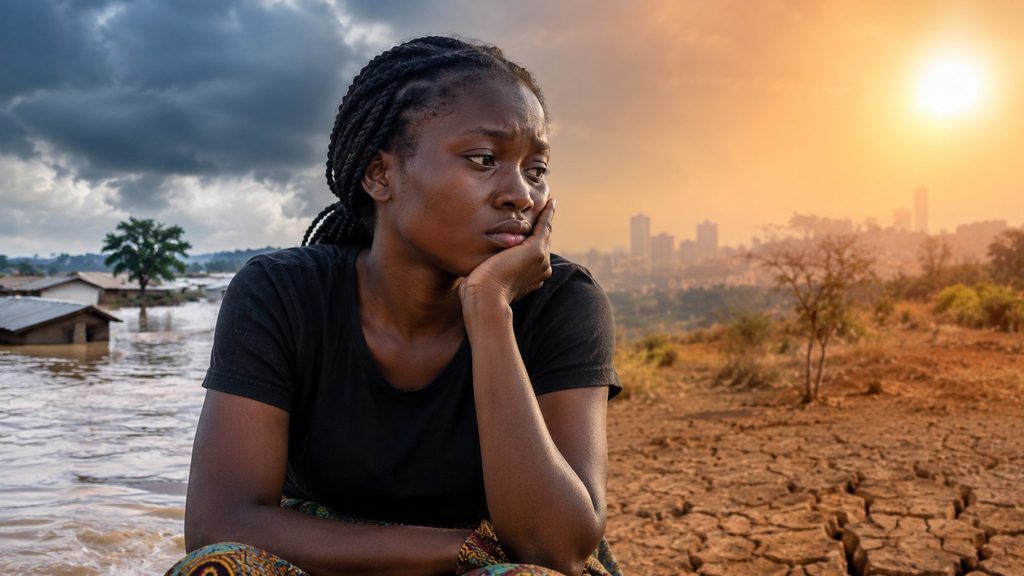

Climate change is increasingly threatening mental health, with extreme heat, floods, drought, air pollution and food insecurity contributing to psychological distress, depression, anxiety and post-traumatic stress disorder.
According to a new report published by the Neuro Climate Science and Policy Report 2026, the effects of environmental change affect how people sleep, think, manage emotions and cope with uncertainty about their future.
Rising temperatures are among the most immediate threats to brain and mental health identified in the report, noting that extreme heat can disrupt sleep, impair concentration and interfere with emotional regulation, making it harder for people to manage stress and perform everyday tasks.
Heat exposure has also been associated with worsening symptoms among people living with mental health conditions, increased psychiatric emergencies and higher risks of depression, anxiety and suicide.
The report indicates that mental-health-related mortality rises by approximately 2.2 per cent for every 1°C increase above the local temperature baseline.
“The risks may be compounded when high temperatures coincide with inadequate housing, limited access to cooling, outdoor work and unreliable electricity. People who cannot avoid working in the heat or retreat to cooler environments may have fewer opportunities to recover from prolonged exposure,” it states.
Sleep disruption is another concern, with persistently hot nights undermining restorative sleep, thereby affecting mood, attention and the ability to cope with daily pressures. For people already experiencing psychological distress, repeated heat exposure may intensify existing difficulties.
Extreme weather can produce psychological consequences that continue long after floodwaters recede or rainfall returns. According to the report, people who survive floods, storms and other disasters may experience post-traumatic stress disorder, depression, anxiety, sleep problems and prolonged distress.
“Losing a home, business, farm or livestock can undermine financial security and a person’s sense of control over life. Displacement can deepen these effects by separating families, disrupting social networks and interrupting access to healthcare, education and community support. Even after damaged infrastructure is repaired, uncertainty over future disasters, compensation and livelihood recovery may sustain psychological strain,” the report states.
Drought presents a different but equally serious challenge, as farmers and pastoralists facing repeated crop failures, livestock losses or unreliable rainfall may experience chronic stress as they struggle to provide food, pay debts and support their families.
The report also examines climate anxiety associated with climate change and fears about its consequences. Environmental grief describes sorrow over the loss of ecosystems, species, landscapes and ways of life.
The report also discusses solastalgia, which is the distress experienced when a person’s familiar environment changes or deteriorates while they remain in it. These feelings, says the report, may be particularly pronounced among people whose identities, livelihoods and cultural practices are closely connected to land, forests, rivers or wildlife.
According to the report, children are especially vulnerable because their brains and emotional coping capacities are still developing.
“Heat, air pollution, food insecurity and disruptions to schooling can affect their wellbeing, learning and daily routines. Children may also absorb the anxiety of parents facing displacement, financial hardship or livelihood losses. Following disasters, the loss of familiar surroundings and social connections can further undermine their sense of safety,” it argues.
The report identifies a major policy gap with a review of national adaptation planning across 160 countries finding no national adaptation plans addressing children’s mental health.
The finding raises questions about whether climate policies adequately account for the needs of young people, including access to psychological support after disasters, continuity of education and assistance for families experiencing prolonged climate-related hardship.
According to the report, climate-related mental health risks are shaped by social and economic circumstances.
“People living in poverty may have fewer resources to recover from disasters or adapt to extreme heat. Older people, pregnant women, displaced populations, outdoor workers and those with existing health conditions may face additional vulnerabilities. Communities dependent on rain-fed agriculture, livestock and natural resources are particularly exposed to climate-related livelihood uncertainty,” it says.
Air pollution and food insecurity add further pressures. The report identifies environmental exposures, including contaminated water and soil, as part of a wider set of threats to brain health. It adds that malnutrition and unreliable access to food can compound household stress, while polluted environments may create additional risks to neurological and psychological wellbeing.
The report calls for governments to incorporate mental health into climate adaptation plans, heat-health action plans, emergency preparedness and long-term disaster recovery.
Recommended measures include psychosocial first aid after disasters, referral pathways to mental health services, continuity of care for people with existing conditions, school-based support and stronger community support networks. It also advocates practical measures that reduce exposure to environmental hazards, including improved urban cooling, cleaner air, food and water security, and more resilient health systems.