
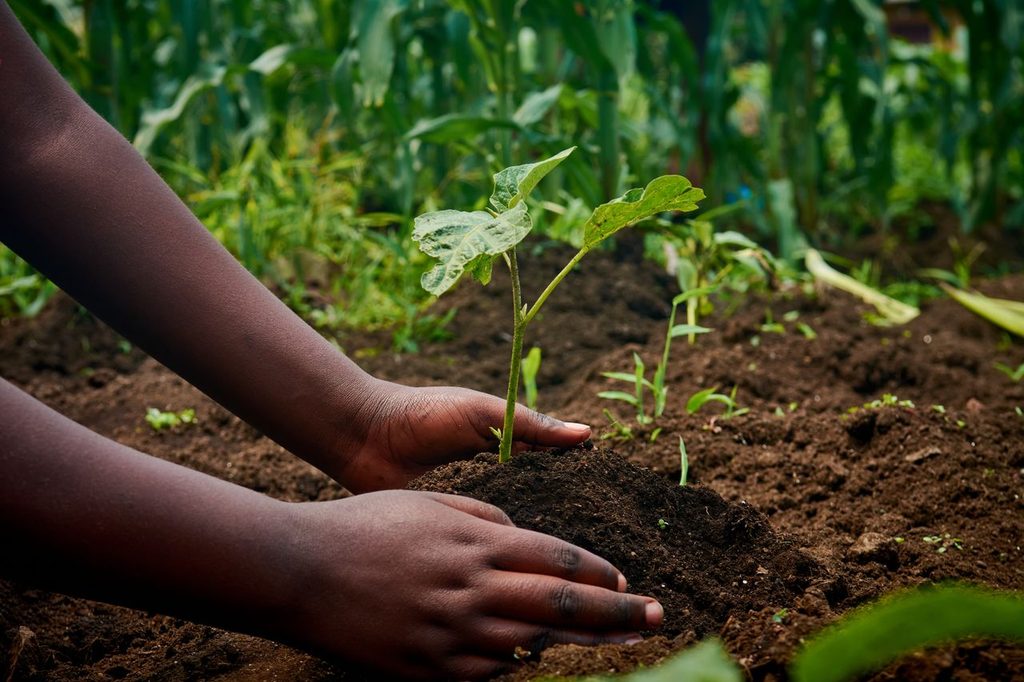

The food being consumed today may have 50% less nutritional value than food grown 50 years ago, with iron levels falling by about 50 per cent and copper by 49 per cent, according to a report warning that modern food production may be delivering more calories but fewer nutrients.
The new report, Hollow Harvests: Rebuilding the Nutritional Value of Crops in an Age of Abundant Calories, warns that rising carbon dioxide levels, declining soil health and decades of crop breeding focused on higher yields could be contributing to the problem.
The findings raise concerns about the sustainability of food production at a time when climate change is putting pressure on agricultural systems and over 2 billion people already struggling to obtain adequate nutrients from their diets.
The report argues that increasing the quantity of food produced is not enough if the nutritional quality of that food is overlooked. “Although modern agriculture has improved yields in many crops, these gains have come alongside reductions in the concentration of minerals such as iron, zinc, calcium and magnesium,” states the report.
One study of wheat varieties grown in the United Kingdom found that newer, short-straw varieties contained between 33 and 49 per cent less zinc than older varieties. Copper levels were 25 to 39 per cent lower, while iron and magnesium concentrations also declined.
According to the report, climate change could deepen the challenge through rising atmospheric carbon dioxide concentrations. Plants use carbon dioxide to grow, but higher concentrations can also alter the balance between carbohydrates and essential nutrients in some crops.
Research cited in the report suggests that wheat grown under elevated carbon dioxide conditions could contain lower concentrations of protein, zinc and iron. Under the scenarios examined, carbon dioxide concentrations of about 546 to 586 parts per million could reduce wheat protein by as much as 12.7 per cent, zinc by 36.5 per cent and iron by 7.5 per cent.
The reports projects that concentrations of some B vitamins in rice could decline by between 17 and 30 per cent by 2050. Such changes could have serious consequences in countries where large populations depend on a limited range of staple foods for much of their daily energy and nutrient intake.
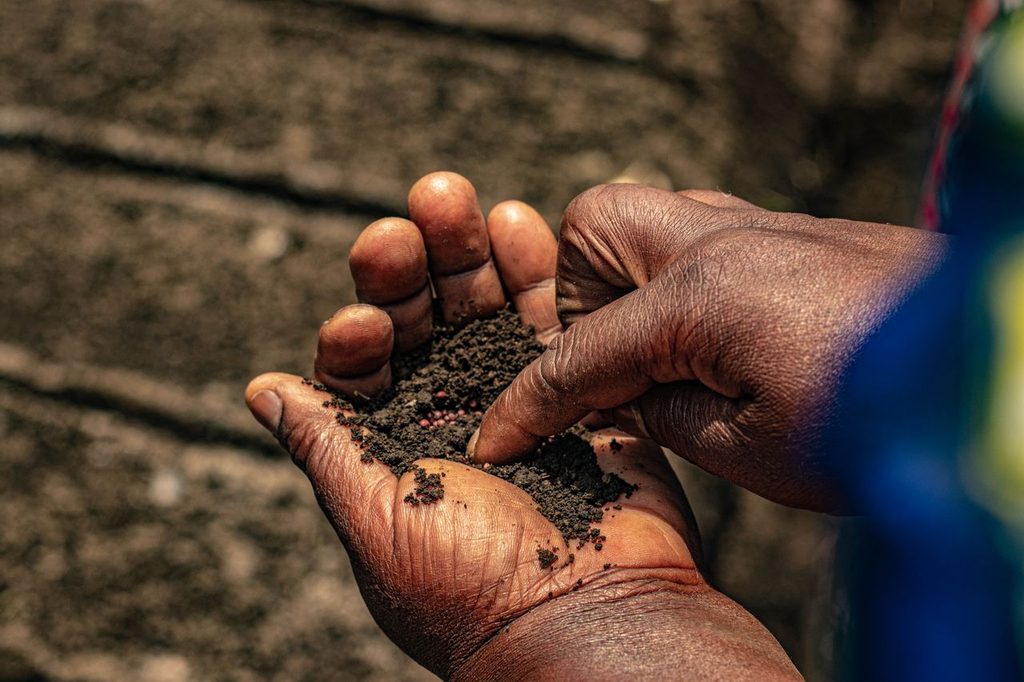
It further states that soil degradation, erosion and nutrient depletion are undermining their ability to support productive agriculture. It estimates that about one-third of the world’s soils are moderately to highly degraded, while nearly half of cereal-growing soils may have insufficient available zinc.
“Climate change can add to these pressures. Heavy rainfall and flooding can accelerate soil erosion, while prolonged drought can reduce plant growth and disrupt nutrient uptake. Higher temperatures and changing rainfall patterns can also affect soil moisture and the movement of nutrients through agricultural systems,” the report states.
“For decades, agricultural development has placed considerable emphasis on producing more food from available land. While higher yields remain important, particularly as populations grow and climate change threatens harvests, that yield should not be the only measure of success. A crop that produces more grain but contains lower concentrations of essential nutrients may not deliver the same nutritional benefits per kilogram of food,” states the report.
The challenge is therefore to improve both productivity and nutritional quality without creating new environmental costs. The report recommends giving greater attention to nutrient content in crop breeding, alongside yield and other measures of agricultural performance. This could include developing varieties that retain higher levels of essential minerals under elevated carbon dioxide conditions, as well as supporting biofortification, which improves the nutritional content of crops through breeding and related approaches.
Better soil management is also important, according to the report. “Practices that reduce erosion, maintain soil organic matter and replenish nutrients can help sustain agricultural productivity. Fertiliser use should be guided by soil conditions and crop needs to address deficiencies without unnecessary application and associated environmental harm.”
The report estimates that more than 2 billion people experience clinical micronutrient deficiencies, while as many as five billion may not obtain adequate amounts of essential micronutrients.
The report argues that as climate pressures intensify, resilient food systems will need to produce enough food while protecting soils, using natural resources responsibly and maintaining the nutrients people need.