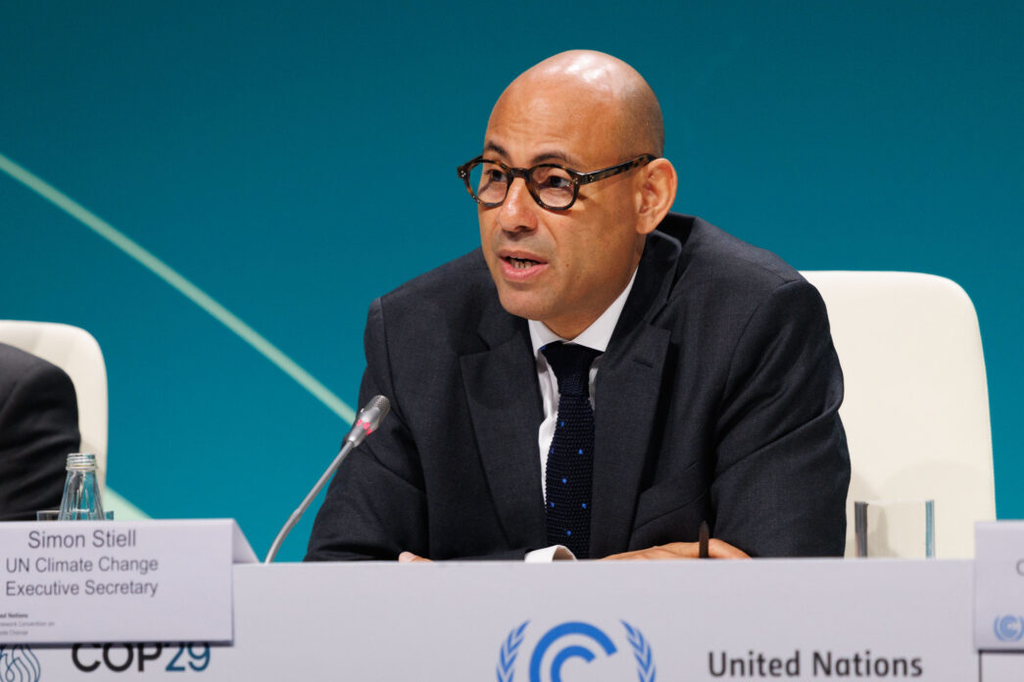

United Nations climate chief Simon Stiell has termed the climate crisis a global health crisis of pandemic proportions, warning that rising temperatures, extreme heat, air pollution and climate-related disasters are increasingly putting human lives at risk.
Stiell, the Executive Secretary of the United Nations Framework Convention on Climate Change (UNFCCC), said the health consequences of global warming were becoming more severe, with millions of people exposed to dangerous conditions and health systems facing mounting pressure.
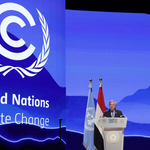
“The climate crisis is now a global health crisis of pandemic proportions,” he said on November 9, during a press conference at the COP31 climate summit in Antalya, Türkiye.
He cited the scale of recent heat exposure, saying hundreds of millions of people across southern Asia had experienced extreme heat, while heatwaves during the northern hemisphere summer killed an estimated 50,000 people in Europe. “For too many people, climate change is deadly,” Stiell said.
He warned that the developing El Niño phenomenon was likely to intensify climate impacts, adding to the health risks already associated with rising global temperatures.
Stiell said the consequences extend beyond heat-related deaths including the growing threat to pregnant women, newborn babies and maternal health, warning that rising temperatures were creating additional risks for vulnerable populations.
He attributed the worsening crisis to continued dependence on fossil fuels and the destruction of forests, saying these activities remained at the root of human-induced climate change. “The root cause is humanity still burning colossal amounts of coal, oil and gas, and destroying forests,” he said.
Stiell said the transition away from fossil fuels and the expansion of clean energy offered practical ways to tackle both climate change and its health consequences. “Solutions to this global health crisis are well within our grasp,” he said.
His warning places public health at the centre of the COP31 discussions, highlighting the need for climate action that not only reduces greenhouse gas emissions but also protects populations from the growing health consequences of global warming.
Alan Dangour, Wellcome’s Director of Climate and Health, said fossil fuel pollution and human-induced climate change were estimated to kill more than three million people annually through air pollution and extreme heat.
He, however, said that climate action could deliver immediate public health benefits, with cleaner air preventing more than 300,000 deaths annually in at least 77 countries where pollution from fossil fuels had declined over the past decade.
Dangour called for governments to prioritise cleaner energy, electrification, heat-health early warning systems and climate-resilient healthcare facilities. He also urged governments to protect groups particularly vulnerable to climate impacts, including children, pregnant women, older people and outdoor workers.
The Climate and Health Funders Coalition, which supports initiatives addressing the health consequences of climate change, has awarded more than $225 million in its first year, according to Dangour. The funding targets areas including extreme heat, air pollution, climate-sensitive infectious diseases and health data systems.