

2026 is set to become one of the warmest years on record, exposing millions to growing risks from extreme heat, floods, droughts, and rising sea levels as global warming pushes the climate system into uncharted territory.
The rising temperatures threaten food production, water supplies, public health and infrastructure, with developing countries, particularly across Africa, facing greater challenges in protecting vulnerable populations and economies from increasingly severe climate impacts.
The warning comes from the World Meteorological Organisation (WMO), which says the planet is accumulating heat at an accelerating rate, with ocean temperatures and global sea levels reaching record highs.
In its State of the Climate 2026 Update, released on November 9 during the COP31 climate conference in Antalya, Türkiye, WMO reports that global average temperatures between January and September were approximately 1.47°C above the 1850–1900 pre-industrial average.
Each of the past 12 years has been the warmest on record, with 2023 to 2026 holding the four warmest spots.
WMO attributes the continuing rise in temperatures to greenhouse gas emissions, with a developing El Niño expected to add further warming towards the end of the year and into 2027. The agency warns that the developing El Niño could become one of the strongest on record by December, increasing the likelihood of extreme weather in different parts of the world.
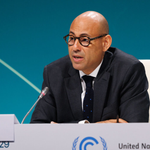
WMO Secretary-General Celeste Saulo said the phenomenon was intensifying an already overheated planet, increasing the likelihood of heatwaves, tropical cyclones and intense rainfall. “El Niño will be a risk multiplier,” she said, warning that extreme weather was intensifying faster than historical climate records had prepared societies to handle.
One of the most concerning findings is the growing imbalance in the Earth’s energy system, with the planet retaining more heat than it releases into space. The imbalance reached its highest level since measurements began in 1960, with preliminary observations suggesting another record in 2026.
The oceans absorb approximately 90 per cent of the excess heat trapped by greenhouse gases, and WMO says 2026 is on course to become the tenth consecutive year of record ocean warmth. The warming is damaging marine ecosystems and biodiversity while increasing the energy available to tropical and subtropical storms. It is also accelerating the rise in sea levels through the expansion of warmer seawater and the melting of glaciers and ice sheets.
For coastal countries, including those along Africa’s Indian Ocean and Atlantic coastlines, rising seas threaten settlements, infrastructure, freshwater resources and livelihoods. The consequences extend to fishing communities and coastal economies that depend on healthy marine ecosystems.
The report also highlights growing pressure on the world’s freshwater resources. Glaciers lost more than 400 billion tonnes of ice in 2025, and WMO estimates that the amount of ice lost would have filled five Olympic-sized swimming pools every second throughout the year.
The retreat of glaciers threatens water supplies for communities and economies that depend on seasonal meltwater, while increasing risks associated with landslides and glacial lake outburst floods.
Meanwhile, freshwater stored in groundwater, soil, rivers, reservoirs, glaciers and snow has declined globally since 2014. In 2025, 42 per cent of the assessed global land area had below-normal water storage, compared with a long-term average of 25 per cent.
WMO says extreme weather events are increasingly undermining food security, deepening poverty, disrupting economic activity and forcing people from their homes. In Europe, heatwaves, drought and wildfires resulted in more than 30,000 estimated excess deaths, according to preliminary assessments. In India, approximately 146.5 million people were exposed to extreme heat during an April 2026 heatwave.
The report also warns that the developing El Niño could increase health risks through higher temperatures, drought and heavy rainfall. These conditions can contribute to heat-related illnesses and deaths, poor air quality, malnutrition and food insecurity, as well as changing patterns of diseases such as cholera, malaria and dengue.
The World Health Organisation has, for the first time, classified the anticipated health impacts of the developing El Niño as a health emergency.
Despite the deteriorating climate indicators, WMO points to progress in the expansion of multi-hazard early warning systems.
The WMO update was released on the opening day of COP31, adding to calls for governments to accelerate emissions reductions while investing in adaptation and protecting communities facing increasing climate risks.