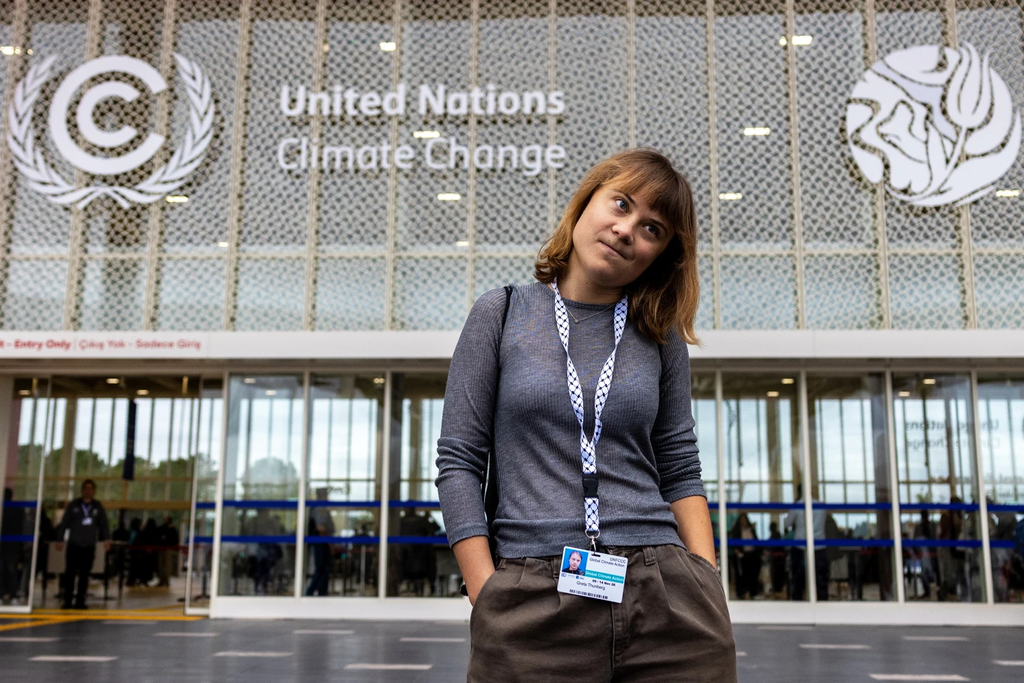

ANTALYA, Türkiye
Climate activist Greta Thunberg has accused powerful political and institutional actors of driving environmental destruction, declaring that the planet is not dying but being killed through decisions that continue to put economic and geopolitical interests ahead of human welfare.
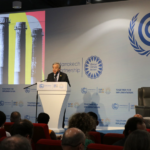
Speaking on the sidelines of the COP31 climate conference in Antalya on November 12, Thunberg said the world was heading towards a future of more genocides and ecocides, with basic human rights increasingly compromised and essential necessities becoming luxuries.
“The planet is not dying. It is being killed,” she said, insisting the responsibility for the destruction rested with people and institutions often expected to provide solutions to the climate crisis. “It is being killed by the very same people often thought to come to our rescue. No one is coming to our rescue,” she said.
Her remarks challenged governments and international institutions to account for the widening gap between their climate commitments and the decisions being made on energy, economic development and environmental protection.
The intervention came as world leaders concluded two days of high-level statements at COP31, with sharply differing positions emerging over the pace of the energy transition, climate finance and continued investment in fossil fuels.
Small island states called for urgent reductions in greenhouse gas emissions, warning of the growing threat from rising sea levels. European leaders backed proposals to expand electrification, while developing countries renewed demands for financial support from wealthier nations to help them adapt to climate impacts and transition to cleaner energy.
Fossil fuel-producing countries, however, defended continued use of oil, gas and coal. Venezuela’s acting President Delcy Rodríguez told the conference that her country reaffirmed its sovereign right to strengthen its oil industry as a driver of national development.
The competing positions illustrated the divisions confronting the negotiations, particularly over how quickly countries should move away from fossil fuels and who should bear the costs of that transition.
Thunberg’s criticism also focused on the consequences of allowing political and economic interests to override human rights. She warned that the climate crisis was not only threatening ecosystems but also creating conditions in which communities could lose access to basic necessities and face increasing violations of their rights.
“When our human rights are being threatened by states and other institutions, it becomes our duty, everyone’s duty,” she said, adding that people with greater privilege had a particular responsibility to challenge these threats and defend the rights of others.
“But especially the more privileged you are, the bigger your responsibility to stand up, to be the adult in the room and to fight for the rights of our human rights and for everyone’s human rights,” she said.
Her warning comes as climate science points to the growing difficulty of limiting global warming to 1.5°C, the threshold countries committed to pursuing under the 2015 Paris Agreement. A United Nations report released last month found that the world remains on course to exceed that limit, despite years of international negotiations and national climate pledges.
Thunberg’s intervention at COP31 returned the debate to a fundamental question of who is responsible for the destruction, and who has the power to stop it? Her answer was that those entrusted with protecting people and the planet cannot be separated from the decisions driving the crisis.