
Antalya, Turkiye
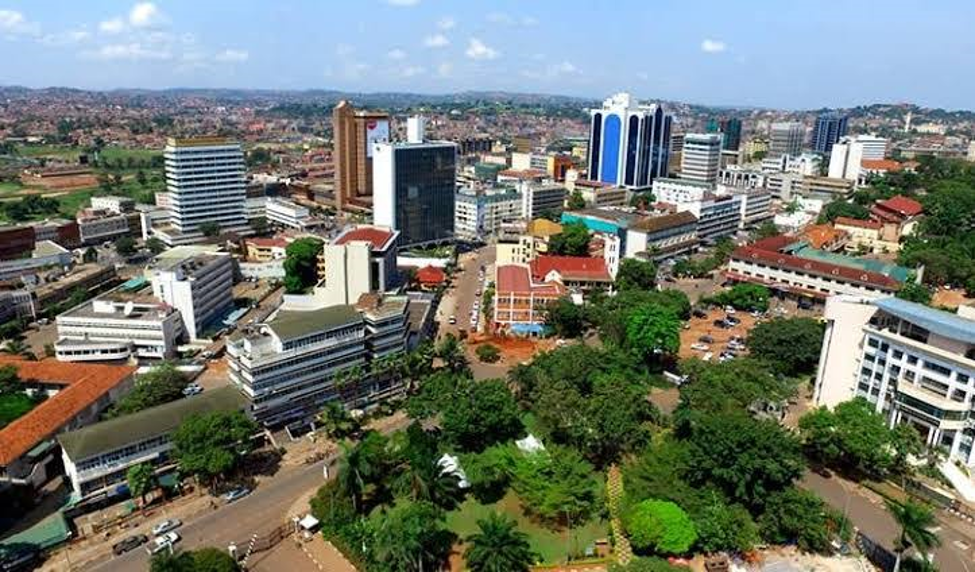
Uganda is seeking to turn peatland restoration into a source of climate finance, investment and jobs under a new global initiative launched at COP31 that aims to mobilise at least US$100 billion by 2030.
Alfred Okot Okidi, Permanent Secretary in Uganda’s Ministry of Water and Environment, said the country intended to develop bankable peatland carbon projects to attract funding from green finance facilities, bilateral partners and private investors.
He said the initiative would help Uganda advance its third nationally determined contribution (NDC 3.0) and Vision 2040 while creating employment and developing clean energy products for communities.
“Having priority access to turn peatlands into bankable carbon projects should give us access to several green funds and bilateral funding, and also attract the private sector,” Okidi said.
The global Peatland Breakthrough initiative, launched by governments, scientists and conservation organisations at the Antalya climate summit, seeks to make peatland protection and restoration a major component of international climate action.
By 2030, the initiative aims to halt human-induced loss of undrained peatlands, place at least 30 million hectares of degraded peatlands under rewetting and restoration, and mobilise US$100 billion to finance the work.
Peatlands are among the world’s important natural carbon stores. However, drainage, degradation and fires can release large quantities of greenhouse gases, turning ecosystems that normally store carbon into sources of emissions.
The initiative’s coordinator, Jaime Esteban Gonzales Barrera of Wetlands International, said reaching the financing target would require new partnerships involving development banks, donors, private investors and institutions specialising in large-scale project financing.
He said discussions were already under way to develop financing instruments that could attract additional funding across different regions.
Eva Hernandez Herrero, head of peatlands at Wetlands International, acknowledged that US$100 billion was an ambitious target but said the economic and environmental costs of allowing peatlands to deteriorate could be much higher.
She pointed to fires, floods and droughts as some of the risks that healthy peatlands could help mitigate, adding that the initiative would support pilot projects and partnerships to attract private investment.
Germany is among the countries prioritising peatland rehabilitation as part of its nature-based solutions strategy. Heike Henn, State Secretary at Germany’s Federal Ministry for the Environment, Climate Action, Nature Conservation and Nuclear Safety, said degraded and dried-out peatlands accounted for about seven per cent of her country’s emissions.
She said Germany was pursuing a national action plan focused on nature-based solutions, peatland restoration and paludiculture, an approach that allows agricultural production on wet or rewetted peatlands. The strategy also seeks to address competing land-use interests while generating sustainable economic benefits.
The launch comes amid wider concerns over the fragmentation of international efforts to address climate change, biodiversity loss and land degradation.
At COP31, negotiations on strengthening cooperation between the three Rio Conventions ended without a substantive agreement, despite support from most governments and civil society organisations.
The discussions concluded with procedural decisions after two countries opposed efforts to secure a more concrete outcome.
Cathy Yitong Li, senior policy manager for climate and energy at BirdLife International, said the failure reflected the difficulty of tackling interconnected environmental crises through separate international processes.
She argued that climate change, biodiversity loss and land degradation required coordinated responses rather than continued institutional fragmentation.