
Antalya, Türkiye
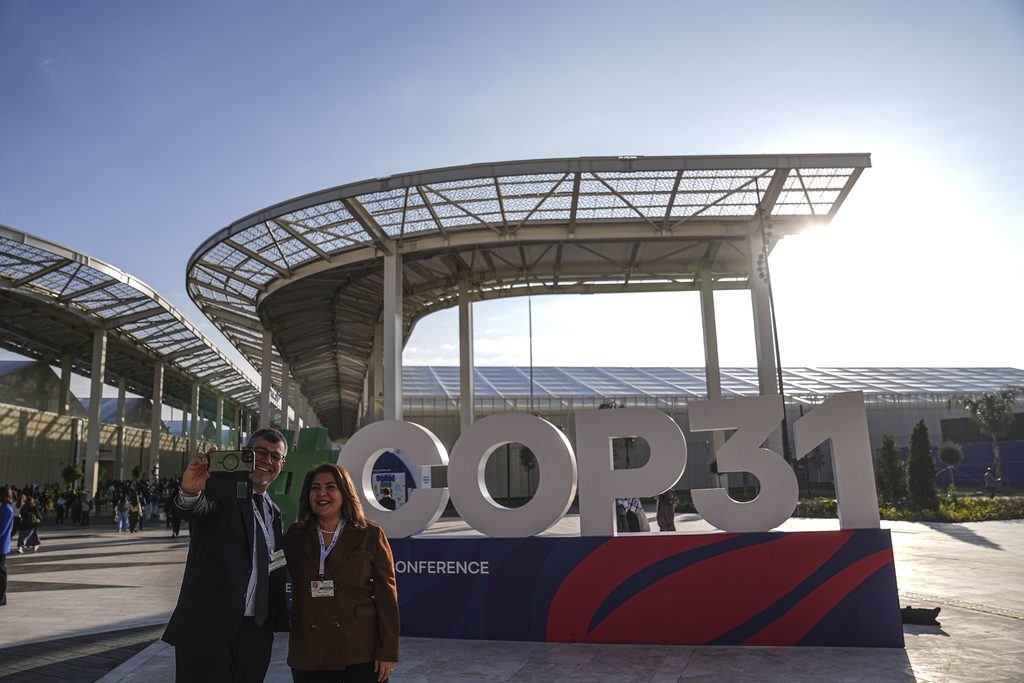
Scientists have warned that political efforts to weaken the role of the Intergovernmental Panel on Climate Change (IPCC) could undermine global efforts to limit temperature rise and reverse climate damage, as negotiations at COP31 in Türkiye expose growing divisions over the use of scientific evidence in climate policy.
Johan Rockström, director of the Potsdam Institute for Climate Impact Research, said attempts to delay or weaken the IPCC’s next assessment risk depriving governments of the scientific evidence needed to guide climate action and inform the next round of national climate commitments.
The warning comes as countries begin the second Global Stocktake under the Paris Agreement, a five-yearly assessment of progress towards meeting global climate goals. Governments have yet to agree on the timeline and budget for the next IPCC assessment, raising concerns that its findings may not be ready to inform the next Global Stocktake.
Rockström said some countries appeared to be deliberately trying to sideline the scientific body and create a disconnect between climate negotiations and the latest scientific evidence.
“This is a deliberate effort to tone down and sideline the IPCC,” he said, warning that delays could provide governments with an excuse not to strengthen their nationally determined contributions (NDCs).
The IPCC provides scientific assessments that underpin international climate negotiations, including evidence on emissions, global warming, climate impacts and possible responses.
Giacomo Grassi, an IPCC report co-author and member of its Task Force Bureau, said weakening the panel could also undermine the credibility of nature-based climate solutions, particularly in determining how much carbon forests and other ecosystems absorb.
He said estimates of carbon sinks vary considerably depending on the definitions and methodologies used, making the IPCC’s common scientific standards essential for countries reporting greenhouse gas emissions and removals.
“The IPCC’s value lies in being a global, independent effort with an exceptionally rigorous review process,” Grassi said. He warned that without common standards, countries could rely on fragmented assessments and different approaches to measuring their climate performance.
The concerns come amid growing recognition that natural ecosystems are critical to limiting global warming, particularly as the world faces an increasingly difficult path towards the Paris Agreement’s 1.5°C temperature goal.
According to Rockström, nature absorbs about a quarter of carbon dioxide emissions from fossil fuels, while oceans take up another quarter. He said protecting the remaining intact ecosystems was essential to maintaining this capacity, particularly as global temperatures move into overshoot territory.
Although exceeding the 1.5°C threshold is now considered unavoidable, Rockström said science shows that the overshoot could be limited and eventually reversed through drastic emissions reductions and investments in forest protection and restoration.