
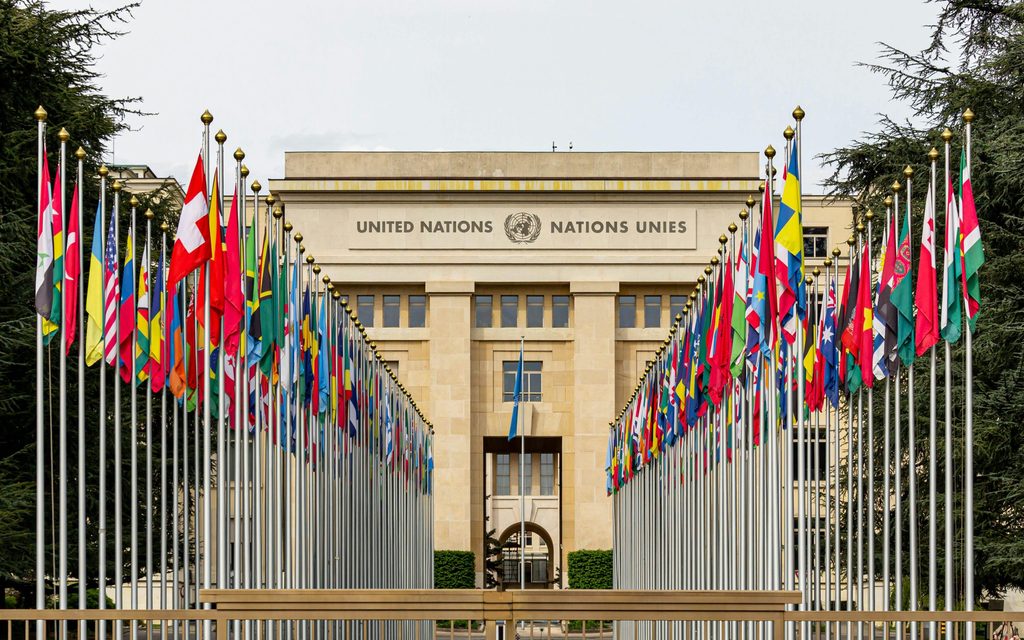

In a landmark decision for climate justice, the UN General Assembly overwhelmingly passed a resolution supporting the International Court of Justice’s (ICJ) advisory opinion on state climate obligations. This move solidifies climate protection as an emerging legal responsibility, moving beyond mere political choice.
According to Earth.org, one hundred and forty-one nations, including Kenya, voted in favor of the resolution. This formal validation means countries failing to protect the environment from greenhouse gas emissions could face significant legal repercussions.
Such repercussions include potential legal liability, requirements to cease harmful activities, and future reparation claims under international law. This marks a pivotal moment in global efforts to hold states accountable for their environmental impact.
The resolution’s adoption provides a powerful legal tool for nations most affected by climate change. It offers a clearer pathway for them to seek redress and demand stronger climate action from historical emitters.
This move strengthens the hand of climate advocates and civil society organizations worldwide. They can now leverage this legal backing to push for more ambitious national climate policies and enforcement.
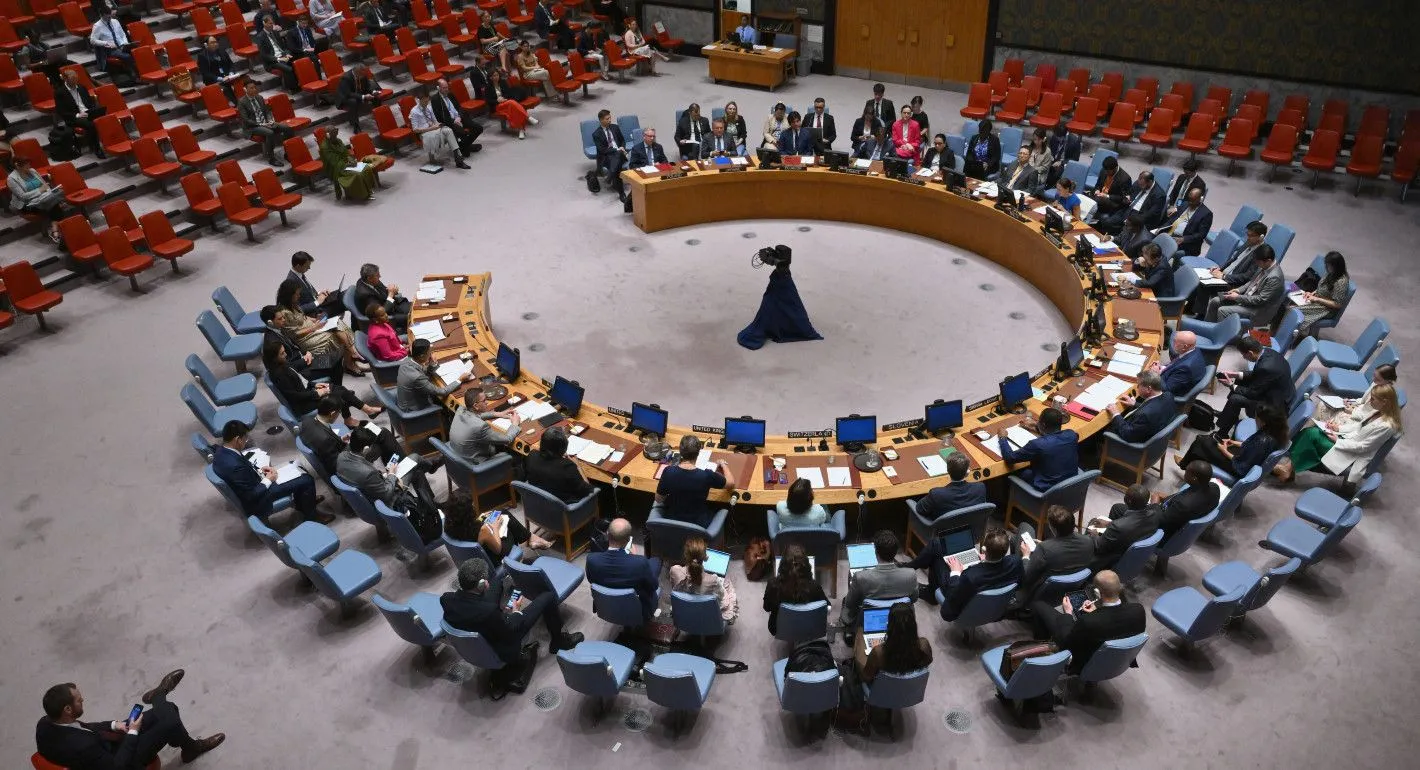
For African nations, often on the front lines of climate impacts despite contributing minimally to global emissions, this resolution is particularly significant. It offers a new avenue for justice and equitable burden-sharing.
It underscores a growing international consensus that environmental degradation is not merely an ethical concern but a matter of international law. States now have a clearer legal framework to guide their climate policies and actions.
The advisory opinion, now backed by the UN General Assembly, clarifies the legal duties of states to protect the climate system and the environment for present and future generations. This includes obligations to prevent significant environmental harm and cooperate internationally.
This development is expected to influence national courts and tribunals, encouraging them to consider climate change within a human rights framework. It could lead to a surge in climate litigation against governments and corporations.
Furthermore, the resolution could reshape international negotiations and agreements, pushing for more robust commitments and accountability mechanisms. It elevates climate action from voluntary pledges to legally binding duties.
The UN’s endorsement of the ICJ’s advisory opinion sends a clear message. Protecting our planet is not optional; it is a binding duty for all nations, with tangible legal consequences for inaction.
This new era of legal accountability promises to accelerate the global transition to a sustainable future. It offers hope for a more just and equitable response to the climate crisis.