
Kenya will host Africa’s first Green Investment Forum later this year, seeking to mobilize more than US$50 billion (KES 6.5 trillion) in investment commitments as African countries intensify efforts to close a widening climate finance gap and attract private capital for climate action.
The high-level forum comes at a time when traditional donor funding for climate action is shrinking and African nations are increasingly looking to private investors to finance adaptation, renewable energy and low-carbon development projects.
Officials say the conference will mark a significant shift in how Africa approaches climate finance, moving away from dependence on grants and aid towards investment-led partnerships capable of financing large-scale green infrastructure and climate-resilient development.
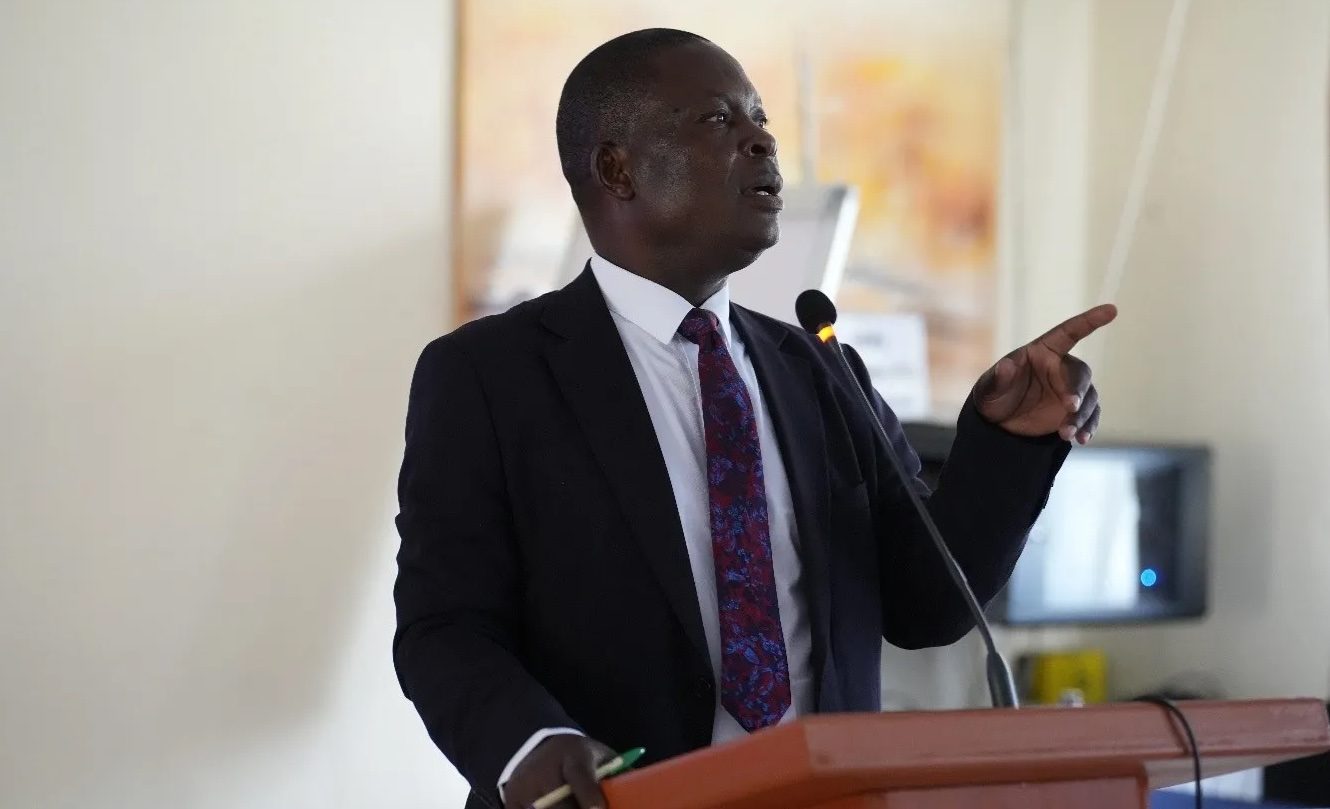
“The conference will serve as a continental platform for mobilizing climate capital, innovation and strategic partnerships. It will focus on unlocking investments that support low-carbon and climate-resilient development,” said Peter Odhengo, Head of the Climate Finance and Green Economy Unit at the National Treasury and Economic Planning.
The forum, themed “Unlocking Scalable Green Investments for a Low-Carbon and Resilient Future,” is being organized by the National Treasury in collaboration with the Ministries of Environment, Energy and Foreign Affairs.
The planned event builds on momentum generated by the 2023 Africa Climate Summit in Nairobi, which elevated Africa’s calls for climate justice and reforms in global financial systems. Kenyan officials now want to position the country as a regional hub for climate finance, green technology and sustainable investment.
The announcement comes against a backdrop of mounting climate impacts across Africa. The continent is experiencing more frequent droughts, floods, heatwaves and food insecurity, yet continues to receive a disproportionately small share of global climate finance.
According to government officials, Africa receives only about five percent of global climate finance flows despite contributing less than four percent of global greenhouse gas emissions and facing some of the most severe consequences of climate change.
Experts have long warned that the financing shortfall is slowing investments in renewable energy, climate adaptation, resilient agriculture, water infrastructure and nature-based solutions needed to protect vulnerable communities and economies.
Odhengo said the forum aims to address that gap by making African countries more attractive destinations for climate-related investments.
“As a continent and as a country, we are not there to ask for aid. We are there to make ourselves attractive so that we attract investments,” he said.
He noted that the global climate finance landscape is undergoing a major transformation as governments and international donors reduce available public funding while private investors and philanthropic organizations assume a larger role in financing climate projects.
“Public finance is declining. If you want climate funding from governments and international organizations, your portfolio has declined. Where the money now is for climate action is private sector finance and philanthropic organizations,” Odhengo said.
Government officials describe the proposed forum as an African equivalent of the World Economic Forum in Davos, focused specifically on climate and green investments. The intention, they say, is to establish a permanent platform where investors, governments, and project developers can negotiate deals and partnerships capable of unlocking billions of dollars for Africa’s green economy.
“It is no longer about grants. It is business. We want to create opportunities that attract investments,” Odhengo added.
As part of the initiative, Kenya is also expected to unveil plans for a new Green Investment Facility, a financing mechanism currently under development that will provide concessional capital for climate projects and green enterprises.
The facility is intended to address a longstanding challenge in climate finance by ensuring that affordable funding reaches vulnerable communities, small businesses, and local climate projects that often struggle to access commercial financing.
According to Odhengo, conventional banking systems are not always structured to deliver low-cost climate finance without distorting commercial lending markets, creating barriers for projects that require patient and affordable capital.
“This facility will ensure that resources meant for vulnerable communities and green investments do not become expensive or inaccessible at the last mile,” he said.
If successful, the forum could become one of Africa’s largest climate investment platforms, signaling a broader shift in the continent’s climate strategy from lobbying for climate assistance to competing for green capital in a rapidly expanding global clean-energy economy.