

By Waweru Wairimu
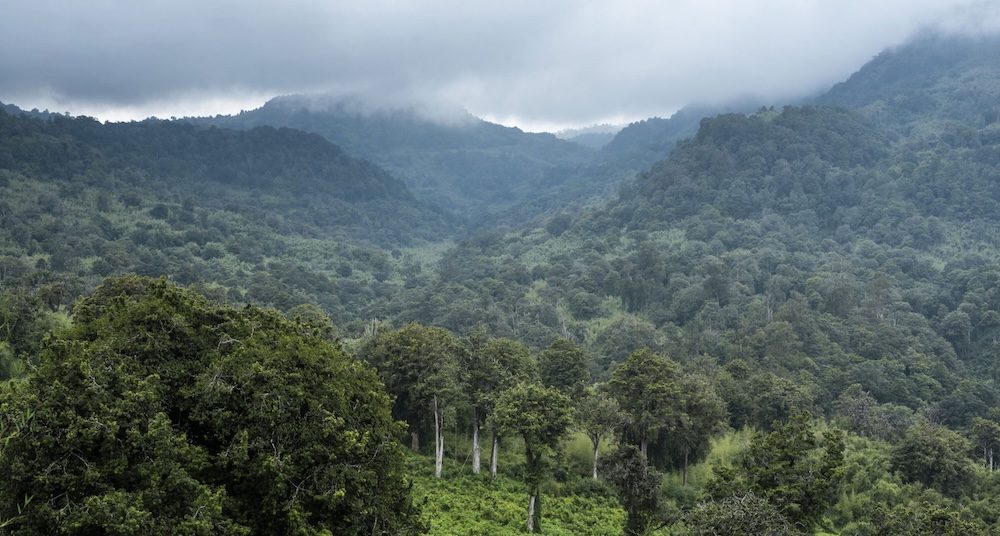
A plan by the Meru County Government to excise hundreds of acres of Imenti Forest for the construction of a State Lodge, golf course and related infrastructure has triggered a fierce backlash from conservation groups, who warn the move could accelerate deforestation in one of Kenya’s most important forest ecosystems.
The proposal has drawn criticism from environmentalists who argue that clearing indigenous forest land for luxury developments risks undermining national efforts to restore forest cover and combat climate change.
The Green Belt Movement has emerged as one of the most vocal opponents of the project, accusing authorities of placing commercial and political interests ahead of environmental protection.
“This is not development; it is thuggery dressed up as economic progress,” the organisation said in a statement protesting the planned developments.
The environmental lobby further questioned the rationale of converting a protected public forest into high-end facilities, saying such projects threaten the ecological integrity of the forest.
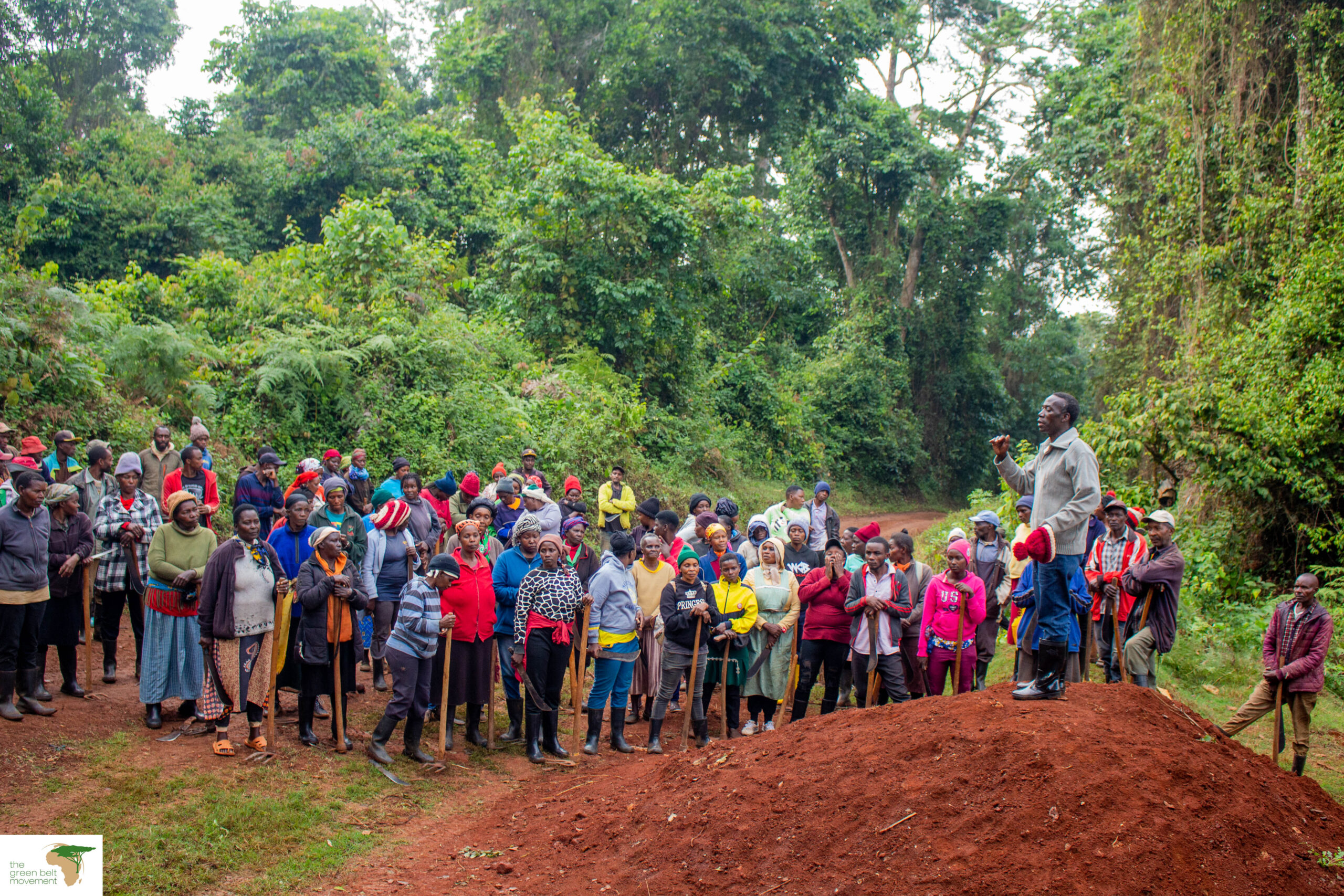
“Forests are held in trust for the people of Kenya and are not personal assets to be allocated for political convenience,” the organisation said.
Imenti Forest forms part of the larger Mount Kenya ecosystem and serves as a critical water catchment area feeding rivers that support agriculture, households and wildlife across Meru and neighbouring counties.
Environmental experts warn that any reduction in forest cover could increase soil erosion, disrupt water flows, reduce biodiversity and weaken the area’s resilience to climate change.
Beyond the immediate loss of forest land, conservationists fear the project could open the door to further encroachment and fragmentation of the ecosystem.
Environmental groups say experience from other parts of the country has shown that once public forests are opened up for infrastructure and commercial projects, pressure for additional allocations often follows, leading to gradual but significant forest degradation.
The controversy comes as Kenya pursues an ambitious programme to increase national tree cover to 30 per cent and restore millions of hectares of degraded landscapes. Critics argue that clearing existing forests sends a contradictory message at a time when government agencies are urging citizens, communities and private companies to plant and protect trees.
The Green Belt Movement has formally sought clarification from government authorities regarding the reported plans.
“The Green Belt Movement writes to you seeking urgent clarification on the alleged plan to excise part of Imenti Forest in Meru County to construct a State Lodge and a golf course,” the organisation said in a letter to forestry officials.
Meru County leaders, however, have defended the project, arguing that it is necessary to unlock the region’s economic potential and strengthen its position as an investment and tourism destination.
Governor Isaac Mutuma has previously supported the development: “The golf course and State Lodge are needed, along with an airstrip, to spur the region’s agricultural and tourism sectors.”
Supporters of the project argue that the facilities would attract investors, create jobs and provide infrastructure capable of hosting high-level government functions and international visitors.
But conservationists insist that economic development should not come at the expense of irreplaceable natural ecosystems.
The dispute is expected to intensify as environmental groups push for greater transparency on the exact acreage targeted for excision, the approvals granted for the project and the environmental impact assessments undertaken.
If approved, the project would represent one of the most controversial forest excisions in recent years, reigniting long-standing concerns about the future of Kenya’s public forests and the growing pressures they face from competing land-use demands.